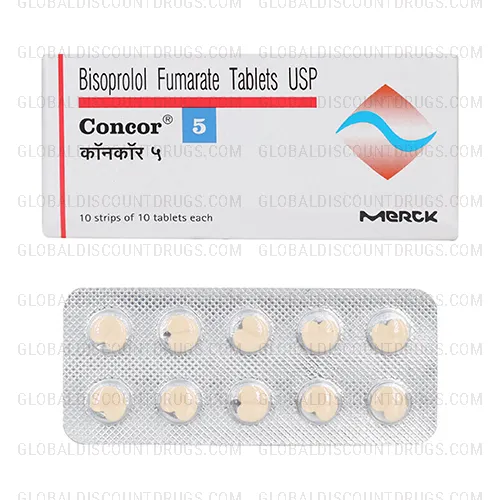

Bisoprolol Fumarate
In StockBisoprolol Fumarate is a cardioselective beta-blocker prescribed for hypertension and chronic heart failure. This guide covers its uses, dosage, mechanism of action, side effects, drug interactions, and safety precautions for patients and caregivers. It also outlines who should avoid this medication and what to do if a dose is missed. Always consult a licensed specialist before starting or changing treatment.

What is Bisoprolol Fumarate?
Bisoprolol fumarate is a medication that belongs to a class of drugs called beta-blockers, specifically a cardioselective (beta-1 selective) beta-blocker. It works primarily on the heart rather than affecting the lungs and blood vessels as broadly as non-selective beta-blockers.
Bisoprolol is commonly prescribed for:
- Hypertension (high blood pressure)
- Chronic heart failure (typically used alongside other heart failure medications)
- Management of certain heart rhythm conditions, in some cases
- Off-label use in certain cardiovascular conditions, as determined by a specialist
Available formulations:
Oral tablets, commonly available in strengths such as:
Bisoprolol is typically taken once daily as part of a long-term treatment plan rather than an as-needed basis.
What is the Recommended Dosage of Bisoprolol Fumarate?
Dosage of bisoprolol varies based on several individual factors, including:
- The condition being treated (e.g., hypertension vs. heart failure)
- Age
- Body weight
- Kidney and liver function
- Response to initial treatment and tolerability
- Other medications being taken concurrently
General guidance:
- Bisoprolol is usually started at a low dose, which may be gradually increased under medical supervision — particularly in heart failure, where dosing is adjusted slowly over weeks.
- Available dosage forms include 2.5 mg, 5 mg, and 10 mg tablets.
- It is typically taken once daily, at approximately the same time each day.
Dosing must always follow the specific instructions provided by a licensed medical specialist, as abrupt changes or incorrect dosing can affect heart function. This guide does not replace personalized dosing advice.
How Bisoprolol Fumarate Works
Bisoprolol works by blocking the effects of certain natural chemicals in the body, such as adrenaline, on beta-1 receptors located primarily in the heart. By doing so, it:
- Slows the heart rate
- Reduces the force of heart contractions
- Lowers blood pressure
- Reduces the heart’s oxygen demand
This action helps manage conditions such as high blood pressure and heart failure by reducing strain on the cardiovascular system. Bisoprolol manages these conditions and helps reduce associated risks, but it does not cure the underlying cause of hypertension or heart failure. Long-term use, as directed, is typically required for continued benefit.
Is a Prescription Required to Buy Bisoprolol Fumarate Online?
Yes. Bisoprolol fumarate is a prescription-only medication. It should never be purchased or used without guidance from a licensed medical professional.
Before starting treatment, patients should consult:
- A cardiologist, particularly for heart failure or complex cardiac conditions
- A primary care physician, for hypertension management and general prescribing
Important safety warnings:
- Avoid purchasing bisoprolol from unverified or unlicensed online sources, as counterfeit medications pose serious health risks.
- Never use veterinary-grade or non-pharmaceutical-grade products intended for non-human use.
- Only obtain this medication from licensed pharmacies that require a valid prescription.
Side Effects of Bisoprolol Fumarate
Common Side Effects
These are generally mild and may lessen as the body adjusts:
- Fatigue or tiredness
- Dizziness
- Cold hands or feet
- Headache
- Slow heart rate
- Nausea or upset stomach
- Diarrhea
Serious Side Effects
Although less common, some effects require prompt medical attention:
- Very slow heart rate or irregular heartbeat
- Severe dizziness or fainting
- Signs of worsening heart failure, such as sudden weight gain, swelling of the legs or ankles, or increasing shortness of breath
- Difficulty breathing or wheezing, particularly in patients with a history of asthma or airway disease
- Signs of an allergic reaction, such as swelling of the face, lips, or throat, or a severe skin rash
- Symptoms of low blood sugar being masked (this is particularly relevant for patients with diabetes)
Seek immediate medical attention if any serious or unexpected symptoms occur after taking this medication. This list is not exhaustive; patients should report any concerning symptoms to their healthcare provider.
Drug Interactions
Bisoprolol may interact with a number of substances. Patients should inform their licensed medical specialist about all medications and supplements they are taking, including:
- Other blood pressure medications, which may have an additive effect
- Calcium channel blockers (such as verapamil or diltiazem), which can significantly slow heart rate when combined with bisoprolol
- Other heart rhythm medications
- Insulin or oral diabetes medications, since bisoprolol may mask typical warning signs of low blood sugar
- NSAIDs (nonsteroidal anti-inflammatory drugs), which may reduce the blood-pressure-lowering effect
- Certain OTC cold and decongestant medications, which can raise blood pressure or heart rate
- Herbal supplements, some of which may affect blood pressure or heart rhythm
Patients should provide a complete and current medication list, including prescription drugs, OTC products, vitamins, and herbal supplements, to their healthcare provider before starting bisoprolol.
Safety & Important Considerations
- Liver or kidney conditions: Dose adjustments may be necessary for patients with significant kidney or liver impairment. This should be evaluated by a specialist.
- Asthma or airway disease: Although bisoprolol is more heart-selective than some beta-blockers, it should still be used cautiously in patients with asthma or chronic obstructive pulmonary disease (COPD), as it may still affect airway function in some individuals.
- Diabetes: Bisoprolol may mask certain symptoms of low blood sugar, such as a rapid heartbeat. Patients with diabetes should monitor blood sugar closely and discuss this with their provider.
- Do not stop abruptly: Suddenly discontinuing bisoprolol can cause a rebound increase in heart rate, blood pressure, or worsening chest pain, particularly in patients with underlying heart disease. Any discontinuation should be done gradually and under medical supervision.
- Pregnancy and breastfeeding: Patients who are pregnant, planning to become pregnant, or breastfeeding should discuss the risks and benefits of bisoprolol with their specialist, as individualized assessment is needed.
- Age-related considerations: Older adults may be more sensitive to the blood-pressure-lowering and heart-rate-slowing effects. Use in children is generally not established outside of specific specialist-guided circumstances.
- Monitoring requirements: Regular monitoring of heart rate, blood pressure, and in some cases kidney function may be recommended during treatment.
- FDA safety considerations: As with other beta-blockers, patients should be aware of the risks associated with abrupt discontinuation and should not stop the medication without medical guidance, even before surgery.
This medication should only be used under appropriate medical supervision, with attention to individual health history.
Who This Medication Is For
Bisoprolol fumarate is generally intended for adult patients who have been diagnosed with:
- Hypertension, particularly when blood pressure is not adequately controlled through lifestyle changes alone
- Chronic heart failure, typically as part of a broader treatment regimen involving other heart failure medications
- Other cardiovascular conditions where reducing heart rate and workload is clinically beneficial, as determined by a specialist
Suitability for this medication is determined on an individual basis by a licensed medical specialist following a full clinical evaluation, including assessment of heart function and overall health status.
Who Should Not Take Bisoprolol Fumarate
Bisoprolol may not be appropriate for individuals who:
- Have a known hypersensitivity or allergy to bisoprolol or its inactive ingredients
- Have severe bradycardia (very slow heart rate)
- Have certain uncontrolled heart block conditions (without a pacemaker)
- Have decompensated (acutely worsening) heart failure requiring different immediate treatment
- Have severe untreated asthma or bronchospastic conditions, in certain cases
- Have very low blood pressure (severe hypotension)
- Have certain untreated circulatory conditions affecting blood flow to the limbs
This is not an exhaustive list. A full medical history review by a licensed specialist is necessary to determine whether this medication is appropriate for a given individual.
What to Do If You Miss a Dose
- If a dose is missed, take it as soon as it is remembered on the same day.
- If it is almost time for the next scheduled dose, skip the missed dose and continue with the regular dosing schedule.
- Do not take two doses at once to make up for a missed dose.
- If unsure about what to do, or if multiple doses have been missed, contact your licensed medical specialist for guidance, particularly given the importance of consistent dosing in heart failure management.
Related medications to Bisoprolol Fumarate
Other options within the same or related therapeutic categories may include:
- Other beta-blockers, such as metoprolol, carvedilol, or atenolol
- ACE inhibitors or ARBs, often used for hypertension or heart failure, sometimes in combination with beta-blockers
- Calcium channel blockers, for certain blood pressure management needs
- Diuretics, particularly in heart failure management
- Lifestyle modifications, such as dietary changes and exercise, often used alongside medication
Switching treatments or combining approaches should only be done in consultation with a licensed medical specialist, who can weigh the benefits and risks based on individual health history and cardiovascular status.
Storage Instructions
- Store at room temperature, typically between 20°C and 25°C (68°F to 77°F), unless otherwise directed on the packaging.
- Keep away from excessive moisture and direct light.
- Store in the original container with the lid tightly closed.
- Keep out of reach of children and pets at all times.
- Dispose of any unused or expired medication according to local guidelines or pharmacy take-back programs; do not dispose of it in household trash or flush it unless specifically instructed.
Disclaimer:
This page is for educational purposes only. It is not a substitute for professional medical advice, diagnosis, or treatment. Patients must consult a licensed cardiologist, primary care physician, or other qualified medical provider before starting, changing, or stopping treatment with bisoprolol fumarate. Treatment decisions must be based on a full clinical evaluation by a qualified specialist, taking into account individual health history, current medications, and personal circumstances. Patients should never stop taking this medication abruptly without medical guidance.
Prescription Required (Rx) to Buy?
This medication is not available over the counter. A valid prescription from a licensed healthcare
professional is required. Always consult your doctor before use.