

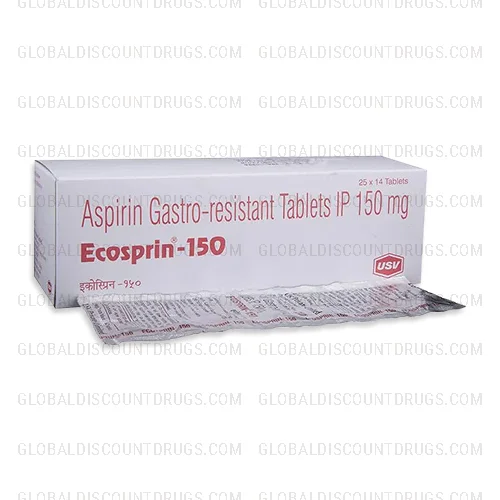
Acetylsalicylic Acid
In StockAcetylsalicylic Acid, also known as Aspirin, is a widely used medication that helps reduce pain, lower fever, and prevent blood clots. Available in various strengths, including 75mg and 150mg, this versatile medicine is trusted around the world for managing everyday aches and supporting long-term heart health. At GlobalDiscountDrugs.com, we offer high-quality, affordable Acetylsalicylic Acid tablets without the need for insurance.

What is Acetylsalicylic Acid?
Acetylsalicylic acid, commonly known as aspirin, is a medication available under numerous brand names (such as Bayer Aspirin, Ecotrin, and others) as well as in widely available generic form. It belongs to a class of drugs known as salicylates, and depending on the dose and use, it can act as a nonsteroidal anti-inflammatory drug (NSAID) or as an antiplatelet agent.
Acetylsalicylic acid is approved and commonly used for:
- Relief of mild to moderate pain, including headache, muscle aches, and toothache
- Reduction of fever
- Reduction of inflammation in conditions such as arthritis (at higher doses)
- Low-dose, long-term use to reduce the risk of heart attack and certain types of stroke in patients with, or at high risk for, cardiovascular disease
- Short-term use during a suspected heart attack, when directed by emergency medical guidance
Acetylsalicylic acid is available in the following formulations:
- Standard oral tablets
- Chewable tablets
- Enteric-coated tablets (designed to reduce stomach irritation)
- Extended-release tablets
- Rectal suppositories (in some formulations)
Common strengths range from low-dose (75–81 mg), used mainly for cardiovascular protection, to regular-strength (325 mg) and higher doses, used for pain, fever, or inflammation.
What is the Recommended Dosage of Acetylsalicylic Acid?
There is no single “correct” dose of aspirin for everyone. The right dose depends on several individual factors, including:
- The condition being treated (pain/fever relief versus long-term cardiovascular protection)
- The patient’s age
- Body weight
- Kidney or liver function
- Bleeding risk and history
- Other medications currently being taken
Available Dosage Forms
Aspirin is available in a range of strengths and forms, from low-dose tablets used for cardiovascular protection to higher-strength tablets used for pain and inflammation.
Important Note on Dosing
Although aspirin is available without a prescription for general pain and fever relief, dosing for long-term cardiovascular protection should be determined by a licensed medical specialist, since it involves weighing bleeding risk against cardiovascular benefit. Patients should:
- Follow product labeling for short-term, occasional use, or follow their prescriber’s specific instructions for long-term use
- Never exceed labeled or prescribed doses
- Ask their prescriber or pharmacist if there is any uncertainty, particularly before starting daily aspirin therapy
How Acetylsalicylic Acid Works
Aspirin works by blocking an enzyme called cyclooxygenase (COX), which is involved in producing substances called prostaglandins. Prostaglandins play a role in pain, fever, inflammation, and blood clotting.
In simple terms:
- At higher doses, blocking this enzyme reduces the substances that cause pain, fever, and inflammation
- At low doses, aspirin has a more specific effect on platelets (small blood cells involved in clotting), making them less likely to clump together and form clots, which is why low-dose aspirin is used for cardiovascular protection
Aspirin manages symptoms and, at low doses, helps reduce clot-related cardiovascular risk; it does not cure the underlying causes of pain, inflammation, or cardiovascular disease.
Is a Prescription Required to Buy Acetylsalicylic Acid Online?
Aspirin is available over the counter for general pain, fever, and short-term use in most countries, including the United States. However, when used specifically for long-term cardiovascular protection, it is generally recommended (and sometimes formally prescribed) only under the guidance of a licensed medical specialist, because the decision involves an individualized risk-benefit assessment.
Patients considering daily aspirin therapy for cardiovascular protection should consult:
- A cardiologist
- A primary care physician
Important Safety Note
Even though aspirin does not require a prescription for occasional use, patients should:
- Purchase it from a licensed pharmacy or reputable retailer
- Avoid unregulated or unfamiliar online sellers, since counterfeit or adulterated over-the-counter products do occur
- Not assume that “available without a prescription” means “risk-free,” particularly for long-term daily use
Side Effects of Acetylsalicylic Acid
Common Side Effects
These are generally mild and may resolve on their own:
- Stomach upset, heartburn, or nausea
- Mild indigestion
Serious Side Effects
Although uncommon, seek immediate medical attention if any of the following occur:
- Signs of gastrointestinal bleeding, such as black or bloody stools, or vomit that looks like coffee grounds
- Unusual bruising or prolonged bleeding from cuts
- Ringing in the ears, hearing changes, confusion, or rapid breathing (possible signs of aspirin toxicity, especially at high doses)
- Signs of an allergic reaction, such as swelling of the face, lips, tongue, or throat, hives, or difficulty breathing
- Symptoms of a rare but serious condition called Reye’s syndrome in children or teenagers recovering from viral illness, including persistent vomiting, unusual sleepiness, or confusion
This list is not exhaustive. Patients experiencing any unusual or concerning symptoms should contact their prescriber promptly.
Drug Interactions
Aspirin can interact with a range of substances. Patients should tell their prescriber or pharmacist about all medications and products they use, including:
- Blood thinners (anticoagulants), such as warfarin, since combined use significantly increases bleeding risk
- Other antiplatelet medications, such as clopidogrel
- Other NSAIDs, such as ibuprofen or naproxen, which can increase bleeding risk and may reduce aspirin’s antiplatelet effect if timing is not managed appropriately
- Certain blood pressure medications, including ACE inhibitors and diuretics, whose effects may be reduced
- Methotrexate, since aspirin can increase its levels and toxicity
- Certain diabetes medications, since aspirin may affect blood sugar-lowering effects at higher doses
- Supplements and herbal products, such as fish oil, vitamin E, or ginkgo biloba, which may add to bleeding risk
Patients should provide their licensed medical specialist and pharmacist with a complete and current list of all prescription drugs, OTC medications, vitamins, and herbal supplements before starting regular aspirin use.
Safety & Important Considerations
- Bleeding risk: Aspirin increases bleeding risk, including gastrointestinal bleeding; this risk must be weighed against benefit, especially for long-term cardiovascular use
- Liver or kidney disease: May require caution or dose adjustment; higher doses in particular should be used carefully
- Pregnancy and breastfeeding: Aspirin, especially at higher doses, is generally avoided in pregnancy (particularly in the third trimester) unless specifically directed by a physician for a defined medical reason; low-dose aspirin may be recommended in certain pregnancies under medical supervision
- Children and teenagers: Aspirin should generally be avoided in children and teenagers with fever or viral illness (such as chickenpox or flu) due to the risk of Reye’s syndrome, a rare but serious condition
- Age-related considerations: Older adults may be at higher risk for bleeding complications
- Surgery or dental procedures: Patients should inform their surgeon or dentist that they are taking aspirin, as it may need to be paused before certain procedures under medical guidance
- Asthma or nasal polyps: Some patients with these conditions have aspirin sensitivity and may be at risk for allergic-type reactions
- Monitoring requirements: For long-term cardiovascular use, prescribers may periodically reassess bleeding risk and overall cardiovascular status
This medication should only be used according to labeling or a prescriber’s guidance, depending on the intended use.
Who This Medication Is For
Acetylsalicylic acid is generally intended for:
- Adults and, in specific circumstances, children seeking short-term relief from pain or fever (with pediatric use requiring caution, see Section 7)
- Adults with, or at high risk for, cardiovascular disease who have been assessed by a prescriber as appropriate candidates for long-term low-dose therapy
- Patients directed by emergency medical personnel to take aspirin during a suspected heart attack
Use for long-term cardiovascular protection should always follow an individualized clinical evaluation by a licensed specialist.
Who Should Not Take Acetylsalicylic Acid
Aspirin may not be appropriate for individuals who:
- Have a known allergy or sensitivity to aspirin, other salicylates, or NSAIDs
- Have active gastrointestinal bleeding or a history of bleeding ulcers
- Have a bleeding disorder
- Are children or teenagers with a current or recent viral illness (due to Reye’s syndrome risk)
- Are in the later stages of pregnancy, without specific medical guidance
- Have severe liver or kidney impairment, without medical guidance
This is not a complete list. A full medical history review by a licensed specialist is necessary to determine if aspirin, especially long-term use, is safe and appropriate.
What to Do If You Miss a Dose
- For long-term daily use, take the missed dose as soon as remembered, unless it is close to the time of the next scheduled dose, in which case the missed dose should generally be skipped
- Do not double up or take an extra dose to make up for a missed one
- For occasional use (pain or fever), there is no fixed schedule to miss; simply take the next dose as needed according to labeling
- Contact a licensed medical specialist if there is any uncertainty about a long-term dosing schedule
Related medications to Acetylsalicylic Acid
Depending on the reason for use, alternatives may include:
For pain, fever, or inflammation:
- Acetaminophen (paracetamol)
- Other NSAIDs, such as ibuprofen or naproxen
For cardiovascular protection:
- Clopidogrel or other antiplatelet medications
- Other approaches to cardiovascular risk reduction, such as statins, blood pressure management, and lifestyle changes
Switching between treatments should only be done in consultation with a licensed medical specialist, particularly when aspirin is being used for long-term cardiovascular protection.
Storage Instructions
- Store at room temperature, generally between 68°F and 77°F (20°C to 25°C), unless otherwise directed on the packaging
- Keep away from excess heat and moisture, which can cause aspirin to break down (a vinegar-like smell may indicate this; if noticed, do not use and consult a pharmacist)
- Store in the original packaging or container until ready to use
- Keep out of reach of children and pets
- Dispose of expired or unused medication according to local guidelines or pharmacist instructions
Disclaimer:
This page is for educational purposes only. It is not a substitute for professional medical advice, diagnosis, or treatment. Patients should consult a licensed physician, cardiologist, or other relevant medical specialist before starting long-term aspirin therapy, or before use in children, during pregnancy, or alongside other medications that affect bleeding risk. Treatment decisions must be based on a full clinical evaluation by a qualified specialist.
Prescription Required (Rx) to Buy?
This medication is not available over the counter. A valid prescription from a licensed healthcare
professional is required. Always consult your doctor before use.


