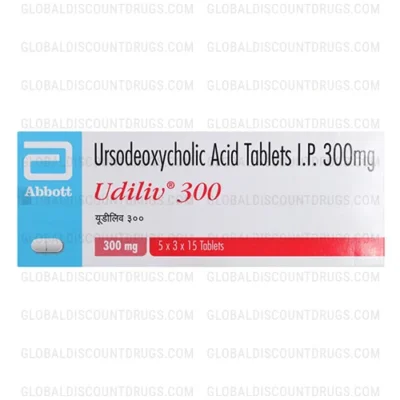
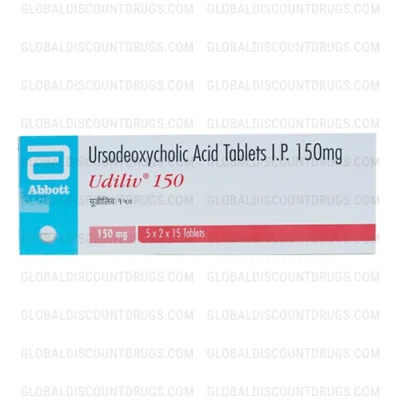
Ursodiol/Ursodeoxycholic
In StockUrsodiol (Ursodeoxycholic Acid) is a bile acid medication used to treat primary biliary cholangitis and dissolve certain cholesterol-based gallstones. It works by altering bile composition and protecting liver cells. Available in multiple strengths, this prescription-only medicine should be used under the guidance of a licensed physician or hepatologist for safe, effective treatment.

What is Ursodiol (Ursodeoxycholic Acid)?
Ursodiol, also known as ursodeoxycholic acid (UDCA), is a medicine that belongs to a drug class called bile acids, specifically a naturally occurring bile acid that is used therapeutically to change the composition of bile and protect liver cells. Unlike many medicines on this list, ursodiol does not reduce stomach acid — it works within the liver and biliary (bile duct) system.
Ursodiol is commonly prescribed for:
- Primary biliary cholangitis (PBC), an autoimmune liver condition (formerly called primary biliary cirrhosis), to slow disease progression and improve liver-related lab values
- Dissolution of certain small, cholesterol-based gallstones in patients who are not candidates for surgery, or who prefer to avoid gallbladder removal
- Prevention of gallstones in patients undergoing rapid weight loss, such as after certain bariatric surgeries or on very low-calorie diets
- In some cases, management of certain other cholestatic (bile-flow-related) liver conditions, as determined by a specialist
Available formulations of ursodiol typically include:
- Ursodiol/Ursodeoxycholic 150mg
- Ursodiol/Ursodeoxycholic 300mg
- Oral suspension (liquid), which may be used for patients who have difficulty swallowing capsules or tablets, including some pediatric patients under specialist care
Strengths vary by product and manufacturer, and a specific package will state the exact milligram amount it contains.
What is the Recommended Dosage of Ursodiol?
Ursodiol dosage is individualized and depends on several factors, including:
- The specific condition being treated (dosing for PBC differs from dosing for gallstone dissolution or prevention)
- Body weight, since dosing is often calculated on a per-kilogram basis
- Liver function and the severity of the underlying liver or biliary condition
Available dosage forms include capsules, tablets, and oral suspension.
Because appropriate dosing depends heavily on the specific condition, body weight, and treatment goals, exact dosing should not be taken from a general guide. Dosing must always follow the instructions of the prescribing doctor or pharmacist. Ursodiol is often taken in divided doses throughout the day, and for gallstone dissolution, treatment may need to continue for many months, with periodic imaging used to monitor progress. Doses should not be stopped or adjusted without medical guidance, since doing so can affect treatment outcomes.
How Ursodiol Works
Ursodiol works in a few interconnected ways, depending on the condition being treated:
- For gallstones: Ursodiol reduces the amount of cholesterol the liver releases into bile and increases the proportion of bile acids relative to cholesterol. This shifts the chemical balance of bile so that cholesterol-based gallstones can gradually dissolve over time, rather than requiring surgical removal.
- For primary biliary cholangitis: Ursodiol is thought to protect liver cells from the toxic effects of naturally occurring, more damaging bile acids that build up in this condition. It may also stimulate the secretion of bile and have mild anti-inflammatory and immune-modulating effects within the liver.
Ursodiol manages and slows the progression of these conditions; it does not necessarily cure the underlying gallstone-forming tendency or autoimmune liver process, and some patients may need ongoing or lifelong treatment.
Is a Prescription Required to Buy Ursodiol Online?
Ursodiol is a prescription-only medicine. Patients should consult a licensed medical professional before starting treatment, such as:
- A hepatologist (liver specialist) or gastroenterologist, particularly for primary biliary cholangitis or other liver-related uses
- A general physician, in consultation with a specialist, for gallstone-related uses
Patients should be cautious of websites offering ursodiol without a prescription, as these may sell counterfeit or substandard products. Ursodiol should always be obtained from licensed pharmacies, whether in person or online.
Side Effects of Ursodiol
Common Side Effects
These are usually mild and may improve as the body adjusts to the medicine:
- Diarrhea
- Nausea
- Stomach pain or upset stomach
- Headache
- Dizziness
- Back pain
Serious Side Effects
Serious side effects are less common but require prompt medical attention. These can include:
- Signs of worsening liver problems, such as yellowing of the skin or eyes, dark urine, severe fatigue, or right-sided upper abdominal pain
- Severe or persistent right upper abdominal pain, which could indicate a complication involving the gallbladder
- Signs of a severe allergic reaction, such as hives, swelling of the face or throat, or difficulty breathing
- Unusual bruising or bleeding
Seek immediate medical care if any of these serious symptoms occur. This is not a complete list of possible side effects, and patients should report any unusual or persistent symptoms to their doctor.
Drug Interactions
Ursodiol can interact with other substances, particularly those that affect bile acid absorption or cholesterol metabolism. Patients should inform their doctor about all medications and supplements they take, including:
- Cholestyramine, colestipol, and aluminum-based antacids, which can bind to ursodiol in the digestive tract and reduce its absorption — these are generally spaced apart from ursodiol doses
- Estrogen-containing medications (such as certain hormone therapies or oral contraceptives), which can increase cholesterol secretion in bile and may counteract ursodiol’s effects on gallstones
- Cholesterol-lowering medications, such as certain statins or fibrates, which can also increase cholesterol secretion into bile
- OTC medications, including antacids, especially aluminum-based products
- Herbal products and dietary supplements, particularly those marketed for liver or digestive support, since their effects alongside ursodiol have not always been well studied
Always provide a complete and current list of all medications, supplements, and herbal products to the prescribing doctor or pharmacist before starting ursodiol.
Safety & Important Considerations
- Liver function monitoring: Patients taking ursodiol, particularly for primary biliary cholangitis, typically need periodic blood tests to monitor liver function and treatment response.
- Gallbladder imaging: For gallstone dissolution, doctors typically monitor progress with periodic ultrasound imaging, since not all gallstones will dissolve with this medicine and treatment duration depends on stone size and response.
- Kidney or liver disease: Patients with significant liver impairment should be monitored closely, since ursodiol is used to treat certain liver conditions but its use requires specialist oversight in more advanced disease.
- Pregnancy and breastfeeding: Ursodiol should only be used during pregnancy or breastfeeding if a doctor determines the benefits outweigh potential risks. This decision should be made on an individual, case-by-case basis, in consultation with a specialist.
- Children: Ursodiol is used in some pediatric liver and biliary conditions under specialist supervision, with dosing based on body weight.
- Non-functioning gallbladder or certain gallstone types: Ursodiol is generally not effective for calcified gallstones, radiopaque gallstones, or gallstones larger than a certain size, and is not typically used if the gallbladder is not functioning properly. Imaging is used to determine whether a patient is a suitable candidate.
- Discontinuation risk: In some conditions, particularly primary biliary cholangitis, stopping ursodiol without medical guidance may allow the underlying condition to progress, so treatment changes should always involve the prescribing specialist.
This medicine should only be used for its approved indications, as directed by a licensed prescriber.
Who This Medication Is For
Ursodiol is generally prescribed for individuals who have:
- A diagnosis of primary biliary cholangitis, particularly when identified in earlier stages
- Small to medium-sized cholesterol gallstones, when the patient is not a candidate for or wishes to avoid gallbladder surgery
- A need for gallstone prevention during rapid or significant weight loss, such as after certain bariatric procedures
- Certain other cholestatic liver conditions, as determined by a hepatologist or gastroenterologist
The decision to prescribe ursodiol, and for how long, is based on an individual clinical evaluation by a qualified healthcare provider, often a liver or digestive health specialist.
Who Should Not Take Ursodiol
Ursodiol may not be appropriate for individuals who:
- Have a known allergy or hypersensitivity to ursodiol, other bile acids, or any product ingredients
- Have calcified gallstones, radiopaque gallstones, or gallstones that are too large to be expected to dissolve with this medicine
- Have acute inflammation of the gallbladder or bile ducts (such as active cholecystitis or cholangitis)
- Have a gallbladder that is not functioning, based on imaging assessment
- Have a biliary tract that is blocked in a way that cannot be corrected
Patients with any of these conditions should discuss alternative treatment options, such as surgical management, with their doctor.
What to Do If You Miss a Dose
If a dose is missed:
- Take it as soon as it is remembered, unless it is almost time for the next scheduled dose.
- If it is close to the next dose, skip the missed dose and continue with the regular dosing schedule.
- Never take a double dose to make up for a missed one.
- If there is uncertainty about what to do, contact the prescribing doctor or pharmacist for guidance, since consistent dosing is often important for both gallstone dissolution and liver-related uses.
Related medications to Ursodiol
Other approaches that may be considered for related conditions, depending on the specific diagnosis, include:
- For gallstones: Surgical removal of the gallbladder (cholecystectomy), which is often the standard treatment for symptomatic gallstones, or watchful waiting for small, asymptomatic stones
- For primary biliary cholangitis: Other liver-protective or bile-acid-related medications, such as obeticholic acid or fibrate-class medicines, which may be considered when ursodiol alone does not provide an adequate response
- Lifestyle and dietary modifications, which may be recommended alongside medical treatment depending on the condition
Switching between treatments should only be done after a full discussion with a licensed medical provider, who can weigh the benefits and risks based on the individual’s health history and specific diagnosis.
Storage Instructions
- Store at room temperature, in a cool, dry place away from direct sunlight and excess moisture.
- Keep the medicine in its original packaging until it is time to take a dose.
- Store out of reach and sight of children and pets to prevent accidental ingestion.
- Do not use the medicine beyond its printed expiration date, and dispose of unused or expired medicine according to local pharmacy or municipal guidelines.
Disclaimer:
This page is intended for educational purposes only and does not constitute medical advice. It is not a substitute for professional medical advice, diagnosis, or treatment. Patients and caregivers must consult a licensed physician, hepatologist, or gastroenterologist before starting, changing, or stopping this medication. All treatment decisions should be based on a full clinical evaluation by a qualified healthcare provider who is familiar with the patient’s individual medical history.
Prescription Required (Rx) to Buy?
This medication is not available over the counter. A valid prescription from a licensed healthcare
professional is required. Always consult your doctor before use.