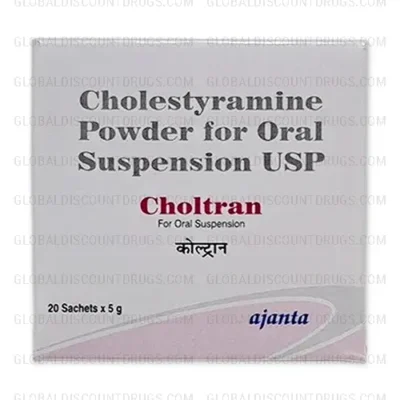
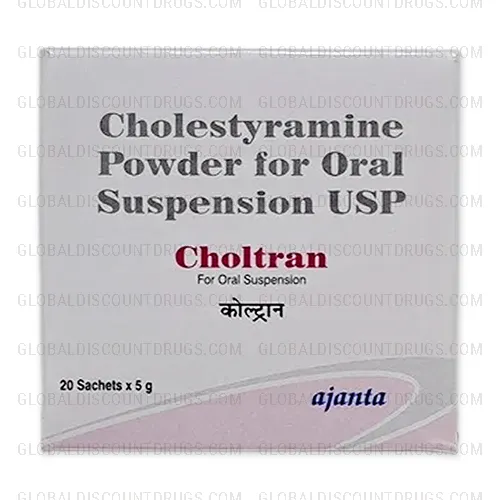
Cholestyramine
In StockCholestyramine is a bile acid sequestrant resin used to lower elevated LDL-cholesterol levels and to relieve pruritus (itching) associated with partial biliary obstruction. It works by binding to bile acids in the intestine, preventing their reabsorption and promoting their excretion. The body then uses cholesterol to make more bile acids, lowering serum cholesterol. Cholestyramine is a valuable non-statin option for lipid management and managing specific liver disorders.

What is Cholestyramine?
Cholestyramine is a prescription medication belonging to the bile acid sequestrant (bile acid-binding resin) class. It works within the digestive tract rather than being absorbed into the bloodstream.
Common prescribed uses:
- Lowering high levels of low-density lipoprotein (LDL) cholesterol, often as part of a broader cholesterol management plan
- Relieving itching (pruritus) associated with partial bile duct obstruction, in some patients
- Sometimes used off-label to help manage certain types of diarrhea related to bile acid issues, under specialist guidance
Available formulations:
- Oral powder for suspension (mixed with water or another approved liquid before taking)
Not all strengths or formulations may be available in every country or region, and product availability can vary by manufacturer.
What is the Recommended Dosage of Cholestyramine?
Dosage varies from person to person and is determined by a licensed medical specialist based on factors such as:
- Condition being treated – cholesterol management, itching, or another approved use
- Age – dosing may differ between adults, older adults, and in some cases children
- Body weight – may be considered, particularly in pediatric patients
- Response to treatment – cholesterol levels and symptoms are monitored to guide dose adjustments
- Tolerance – dosing is sometimes started low and increased gradually to reduce digestive side effects
Available dosage form: Oral powder, mixed with liquid and taken as directed, typically before meals.
Dosing must always follow the specific instructions provided by a licensed medical specialist. Do not increase, decrease, or stop the dose without medical guidance. Exact dosing amounts are not provided here, as they must be individualized based on a clinical evaluation.
How Cholestyramine Works
Cholestyramine works by binding to bile acids in the intestine, forming a complex that is excreted from the body rather than being reabsorbed. Because the body normally uses cholesterol to make new bile acids, this process encourages the liver to draw more cholesterol out of the bloodstream, which can help lower LDL cholesterol levels over time.
For itching related to bile duct obstruction, cholestyramine’s ability to bind bile acids may help relieve the buildup of substances believed to contribute to the itching sensation.
Cholestyramine helps manage cholesterol levels and certain related symptoms; it does not cure the underlying causes of high cholesterol, and treatment is often long-term and combined with diet and lifestyle changes.
Is a Prescription Required to Buy Cholestyramine Online?
Yes, cholestyramine is a prescription-only medication in most regions.
- Patients should consult a physician, such as a primary care provider, cardiologist, or lipid specialist, to confirm the diagnosis and determine whether cholestyramine is an appropriate part of their treatment plan.
- Cholesterol management typically involves a broader evaluation, including diet, lifestyle, and sometimes other medications, so professional guidance is important.
- Patients should be cautious of counterfeit or unregulated products sold online without a valid prescription.
- Medication should be purchased only from licensed, verified pharmacies to ensure product authenticity, correct dosing, and safety.
Side Effects of Cholestyramine
Common Side Effects
- Constipation (a frequently reported side effect)
- Bloating or gas
- Nausea
- Stomach discomfort or indigestion
- Heartburn
Serious Side Effects
- Severe constipation or bowel obstruction, particularly with high doses or in patients with pre-existing bowel conditions
- Signs of vitamin deficiency (such as vitamin A, D, E, or K) with long-term use, since cholestyramine can interfere with absorption of fat-soluble vitamins
- Unusual bleeding or bruising, which may be related to vitamin K deficiency and effects on clotting
- Signs of an allergic reaction, such as rash, itching, swelling of the face/lips/tongue, or difficulty breathing
- Significant changes in the effectiveness of other medications due to absorption interference
Seek immediate medical attention if signs of a severe allergic reaction, unusual bleeding, or severe abdominal pain and bloating occur. This list is not exhaustive, and any unusual or bothersome symptoms should be reported to a medical specialist.
Drug Interactions
Cholestyramine has a notably high potential for drug interactions because it can bind to and reduce the absorption of many other oral medications. Important interaction categories include:
- Blood thinners (such as warfarin), where absorption and effectiveness may be significantly affected
- Thyroid hormone replacement medications
- Certain heart medications, including some used for irregular heart rhythms
- Fat-soluble vitamins and certain other vitamin supplements
- Many other oral medications, due to the general binding effect of cholestyramine in the gut
- Over-the-counter (OTC) medications and herbal supplements
Because of this broad interaction potential, other oral medications are often recommended to be taken at a different time from cholestyramine (such as one hour before or several hours after), as directed by a specialist. Patients should provide their licensed medical specialist with a complete list of all medications, supplements, and OTC products they are taking before starting cholestyramine.
Safety & Important Considerations
- Liver disease: Should be used with caution and specialist supervision, particularly in certain types of liver conditions.
- Kidney disease: Should be discussed with a specialist, as overall health status can affect treatment planning.
- Bowel conditions: Patients with a history of severe constipation, bowel obstruction, or certain gastrointestinal disorders should discuss these with their specialist before starting treatment.
- Pregnancy and breastfeeding: Use during pregnancy or breastfeeding should only occur under the guidance of a licensed medical specialist, who can weigh potential benefits and risks, including monitoring for vitamin deficiencies.
- Long-term use: Extended use may require monitoring of fat-soluble vitamin levels (A, D, E, K) and clotting function.
- Monitoring requirements: Cholesterol levels are typically monitored periodically to assess treatment effectiveness; additional lab monitoring may be recommended for long-term use.
- Timing with other medications: Because of significant interaction potential, timing of other medications relative to cholestyramine doses is an important safety consideration.
Who This Medication Is For
Cholestyramine is typically prescribed for adults with elevated LDL cholesterol who require additional cholesterol-lowering therapy, or for patients experiencing itching related to partial bile duct obstruction, where a licensed medical specialist has determined that a bile acid sequestrant is an appropriate treatment option.
Who Should Not Take Cholestyramine
Cholestyramine may not be appropriate for individuals who:
- Have a known allergy or hypersensitivity to cholestyramine or any other ingredient in the product
- Have complete bile duct obstruction, as the medication requires bile acids to be present in the intestine to work and may not be effective or appropriate in this setting
- Have a bowel obstruction or severe, unresolved constipation
- Are taking multiple medications with significant interaction potential that cannot be safely timed around cholestyramine dosing, unless specifically managed by a specialist
A licensed medical specialist should review a patient’s full medical history before prescribing this medication.
What to Do If You Miss a Dose
If a dose is missed, take it as soon as it is remembered, generally before a meal as usually directed.
- If it is close to the time for the next scheduled dose, skip the missed dose and resume the regular schedule.
- Do not take a double dose to make up for a missed one.
- If there is uncertainty about how to proceed, contact a licensed medical specialist or pharmacist for guidance.
Related medications to Cholestyramine
| medications | Why it is close |
|---|---|
| Colesevelam | Same class: bile acid sequestrant |
| Colestipol | Same class: bile acid sequestrant |
| Ezetimibe | Non-statin LDL-lowering option |
| Atorvastatin | Common LDL-lowering alternative for cholesterol |
| Rosuvastatin | Strong LDL-lowering alternative for cholesterol |
Storage Instructions
- Store at room temperature, generally between 15–30°C (59–86°F), unless otherwise directed on the product label.
- Protect from excessive moisture and heat.
- Keep the container tightly closed when not in use.
- Follow any specific mixing instructions provided for preparing the oral suspension before taking.
- Keep out of reach of children and pets.
- Dispose of any unused or expired medication according to local guidelines or pharmacist instructions.
Disclaimer:
This page is for educational purposes only. It is not a substitute for professional medical advice, diagnosis, or treatment. Patients must consult a licensed physician or other relevant medical specialist before starting, changing, or stopping treatment with cholestyramine. Treatment decisions must be based on a full clinical evaluation by a qualified specialist.
Prescription Required (Rx) to Buy?
This medication is not available over the counter. A valid prescription from a licensed healthcare
professional is required. Always consult your doctor before use.