
Trientine Hydrochloride
In StockTrientine Hydrochloride is a specialized copper chelating agent used as a second-line treatment for Wilson’s disease, a rare inherited disorder involving excessive copper accumulation. It works by binding to copper ions in the bloodstream and promoting their excretion from the body. This API is vital for detoxifying the body of excess copper, preventing severe liver and neurological damage. Trientine is a critical, life-saving drug for this rare metabolic disease.

What is Trientine Hydrochloride?
Trientine hydrochloride is a prescription medication used to treat Wilson’s disease, a rare inherited condition in which the body cannot remove extra copper. Copper then builds up in the liver, brain, and other organs and can cause liver disease, nervous system problems, or mental health symptoms.
Drug class: Trientine is a copper chelating agent. Chelating agents bind to a metal in the body so it can be passed out in the urine.
Approved uses: In the United States, trientine products are FDA-approved for Wilson’s disease. Labeling differs by product:
- Trientine hydrochloride capsules are approved for patients with Wilson’s disease who cannot take penicillamine.
- Trientine tetrahydrochloride tablets are approved for adults with stable Wilson’s disease who have been treated and can tolerate penicillamine.
Uses outside these approved indications should only be considered by a specialist who has reviewed your full medical history.
Available formulations and strengths: Trientine is taken by mouth. Common forms include:
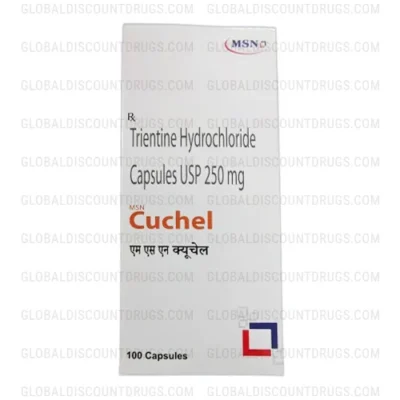
- Capsules (Trientine Hydrochloride 250mg)
- Tablets (commonly 300 mg of trientine tetrahydrochloride)
Different trientine salts and products are not interchangeable milligram for milligram. Availability and strengths vary by manufacturer and country.
What is the Recommended Dosage of Trientine Hydrochloride?
Your dose is set by your prescriber. It depends on several factors:
- Your condition and stage of treatment. Doses are often higher when copper is first being removed and lower for long-term maintenance.
- The specific product and form you are prescribed
- Age and body weight, especially in children
- Copper test results, such as urine and blood copper levels
- Tolerability, meaning how well you handle side effects
- Other medications and supplements you take
Trientine is usually taken in divided doses, often two to four times a day, depending on the product. It is generally taken on an empty stomach, about one hour before or two hours after meals, and at least one hour apart from other medicines, food, and milk. Capsules and tablets should usually be swallowed whole with water. Some tablets may be split only if the label allows. Do not crush or chew unless your specialist tells you to.
Always follow your prescription label. Do not change your dose, switch products, or stop taking the medication without speaking to your specialist. Stopping treatment can allow copper to build up again and cause serious illness.
How Trientine Hydrochloride Works
Trientine binds to copper in the body and helps the kidneys remove it in the urine. In simple terms, it helps lower the extra copper that builds up in Wilson’s disease.
Trientine manages Wilson’s disease but does not cure it. Treatment is usually needed for life. It may take months for symptoms to improve, and some symptoms may not fully reverse. Individual results vary.
Is a Prescription Required to Buy Trientine Hydrochloride Online?
Yes. Trientine hydrochloride is available by prescription only. It should be prescribed and monitored by a licensed medical specialist experienced in Wilson’s disease, such as a hepatologist (liver specialist), a gastroenterologist, or a neurologist. Children are usually cared for by a pediatric specialist.
Keep these safety points in mind:
- Use only licensed, verified pharmacies that require a valid prescription. Trientine is often dispensed through specialty pharmacies, which is normal for this medication.
- Be cautious of websites that offer the drug without a prescription. Products from unregulated sources may be counterfeit, contaminated, incorrectly dosed, expired, or stored improperly.
- Check that the form, strength, and packaging match what your prescriber ordered.
- If the capsules or tablets look unusual, ask your pharmacist before taking them.
Side Effects of Trientine Hydrochloride
Common Side Effects
- Nausea, stomach pain, or upset stomach
- Heartburn or indigestion
- Skin rash or itching
- Fatigue or weakness
- Headache
- Muscle cramps or aches
- Darkening of the skin or dry skin in some people
Many of these effects are mild. Tell your care team about any ongoing side effects, because adjustments are often possible.
Serious Side Effects
Serious reactions are less common but require prompt attention:
- Iron deficiency anemia, since trientine can also lower iron levels
- Worsening of nervous system symptoms, such as tremor, trouble speaking, or trouble walking, especially early in treatment
- Lupus-like reactions, with symptoms such as joint pain, fever, rash, or swelling
- Severe stomach or bowel problems, including inflammation of the intestine (colitis)
- Kidney problems
- Severe skin reactions or allergic reactions
- Too little copper (copper deficiency) from overtreatment, which can cause anemia, low white blood cell counts, and nerve problems
Seek immediate medical attention if you have trouble breathing, swelling of the face, lips, or throat, widespread rash or blistering, severe chest pain, or a seizure. Contact your doctor promptly if you notice new or worsening tremor or trouble with movement, unusual tiredness, paleness, shortness of breath, joint pain with fever, blood in the stool, severe stomach pain, or yellowing of the skin or eyes.
Drug Interactions
Some substances change how trientine works. Major categories to discuss with your specialist include:
- Iron supplements. Iron and trientine can bind to each other and reduce how well both work. If iron is needed, your specialist will give exact timing instructions, often separating doses by at least two hours.
- Zinc, calcium, magnesium, and aluminum products, including multivitamins, mineral supplements, and antacids
- Other Wilson’s disease medicines, such as zinc salts or penicillamine. Use together is decided only by a specialist.
- Medicines that can affect the kidneys or liver
- Over-the-counter (OTC) medications, including pain relievers and acid reducers
- Vitamins, supplements, and herbal products
- Food, milk, and dairy, which can reduce absorption when taken close to a dose
Give your licensed medical specialist and pharmacist a complete, up-to-date list of everything you take, including OTC products, supplements, and herbal remedies. Update the list whenever something changes.
Safety & Important Considerations
- Monitoring: Regular tests are usually needed, such as urine copper (often 24-hour collections), blood copper levels, liver tests, kidney tests, blood counts, and iron levels. Do not skip these visits.
- Do not stop suddenly: Stopping treatment can cause a return of symptoms and may lead to serious liver failure or neurological decline.
- Iron and copper levels: Your specialist watches for both too much and too little copper, and for low iron.
- Liver and kidney disease: Dose and monitoring may need adjustment.
- Pregnancy: Wilson’s disease treatment is usually continued during pregnancy because stopping can be dangerous. Your specialist may adjust the dose. Talk to your care team before planning pregnancy or if you become pregnant.
- Breastfeeding: Data are limited. Discuss the risks and benefits with your doctor.
- Children: Trientine is used in children under specialist supervision. Dosing is usually based on age and weight. Approvals and labeling vary by product.
- Older adults: Older adults should be monitored closely for side effects.
- Handling capsules: Trientine can irritate the skin. Avoid contact with the contents of a broken capsule. If contact occurs, wash the area well with soap and water.
- Diet: Your specialist or dietitian may advise limiting high-copper foods such as shellfish, liver, nuts, chocolate, and mushrooms. Ask what applies to you.
Who This Medication Is For
Trientine is intended for people who have been diagnosed with Wilson’s disease by a qualified specialist. Diagnosis usually involves blood and urine tests, eye examination for copper deposits, liver evaluation, and sometimes genetic testing. Whether trientine is appropriate depends on your age, overall health, other treatments, and your ability to tolerate other Wilson’s disease medicines.
Who Should Not Take Trientine Hydrochloride
Trientine may not be suitable for people who:
- Have had an allergic reaction to trientine or any ingredient in the product
- Have not been diagnosed with Wilson’s disease, since removing copper when it is not needed can cause harm
- Are taking a product that should not be used together with trientine, as advised by their specialist
Precautions apply for people with iron deficiency or anemia, kidney or liver problems, and people who are pregnant or breastfeeding. Your specialist will weigh these factors against the potential benefits.
What to Do If You Miss a Dose
- Take the missed dose as soon as you remember, on an empty stomach, unless it is close to your next dose.
- If it is almost time for your next dose, skip the missed one and continue your regular schedule.
- Do not double up to make up for a missed dose.
- If you miss several doses or are unsure what to do, contact your care team promptly. Regular dosing is important in Wilson’s disease.
Related medications to Trientine Hydrochloride
Treatment choices for Wilson’s disease are individualized. Options your specialist may discuss include:
- Penicillamine, another copper chelating medication, often used first
- Zinc salts (such as zinc acetate), which reduce copper absorption from the gut and are often used for maintenance
- Other trientine products, such as a different salt or formulation
- Dietary changes to limit copper intake
- Liver transplant evaluation in severe or advanced liver disease
Each option has its own benefits, risks, and monitoring needs. Do not switch or stop treatment without consulting your specialist.
Storage Instructions
- Storage varies by product, so check your label. Trientine hydrochloride capsules are commonly stored in the refrigerator (about 36°F to 46°F or 2°C to 8°C). Some tablet products are stored at room temperature.
- Keep the medication in the original container, tightly closed, and protect it from moisture and excess heat, such as in a bathroom or car.
- Protect from light by keeping it in its original packaging.
- Ask your pharmacist how long the medication can be kept out of the refrigerator during travel.
- Store out of the sight and reach of children and pets.
- Do not use expired medication. Ask your pharmacist about safe disposal options.
Disclaimer
This page is for educational purposes only. It is not a substitute for professional medical advice, diagnosis, or treatment. Patients must consult a licensed hepatologist, gastroenterologist, neurologist, or other qualified medical specialist before starting, changing, or stopping treatment. Treatment decisions must be based on a full clinical evaluation by a qualified specialist. If you think you are having a medical emergency, call your local emergency number immediately.
Prescription Required (Rx) to Buy?
This medication is not available over the counter. A valid prescription from a licensed healthcare
professional is required. Always consult your doctor before use.