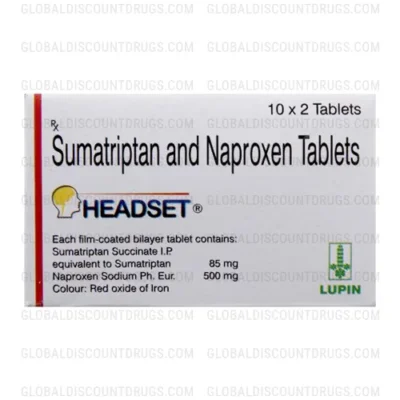



Sumatriptan
In StockSumatriptan is a selective triptan, a 5−HT1B/1D receptor agonist, used as an abortive treatment for acute migraine attacks and cluster headaches. It works by causing potent, selective constriction of inflamed intracranial blood vessels and inhibiting the release of pro-inflammatory neuropeptides. This API is highly effective for rapidly relieving severe migraine pain, nausea, and photophobia. Sumatriptan is a cornerstone of acute headache management.

What is Sumatriptan?
Sumatriptan is a prescription medication that belongs to a class of drugs called triptans (selective serotonin receptor agonists). It is approved for the acute treatment of migraine and, in certain formulations, cluster headaches.
Sumatriptan may be prescribed for:
- Acute treatment of migraine attacks, with or without aura, in adults
- Acute treatment of cluster headache episodes (specifically the subcutaneous injection formulation)
Sumatriptan is used to treat an attack that has already started. It is not used to prevent migraines or cluster headaches or reduce how often they occur.
Available Formulations and Strengths
Sumatriptan is available in several forms, commonly including:
- Oral tablets, typically in strengths such as Sumatriptan 25mg, Sumatriptan 50mg, and Sumatriptan 100mg
- Nasal spray, typically in strengths such as Sumatriptan 20mg Nasal Spray
- Subcutaneous injection (self-administered with an auto-injector device), typically in strengths such as 4 mg and 6 mg
- Nasal powder (a newer breath-actuated delivery form, in some regions)
Available strengths and formulations can vary by brand and region. Patients should confirm the exact product prescribed with their pharmacist or specialist.
What is the Recommended Dosage of Sumatriptan?
Dosage of sumatriptan is individualized and depends on several factors, including:
- The condition being treated (migraine versus cluster headache)
- The formulation used (tablet, nasal spray, or injection)
- Liver function, since sumatriptan is processed by the liver
- Cardiovascular risk factors
- Individual response and tolerability
Dosage Forms Available
- Oral tablets, taken at the onset of a migraine attack
- Nasal spray or nasal powder, used at the onset of an attack
- Subcutaneous injection, used at the onset of an attack, including for cluster headache episodes
Important Dosing Guidance
- Dosing must always follow the specific instructions provided by a licensed neurologist or other prescribing specialist.
- There are limits on how much sumatriptan can be used within a 24-hour period, and patients should follow their specialist’s guidance closely rather than repeating doses based on personal judgment.
- This page does not provide individualized dosing instructions, as appropriate dosing depends on clinical evaluation.
How Sumatriptan Works
Sumatriptan works by binding to specific serotonin (5-HT) receptors in the brain, particularly those involved in blood vessel regulation and nerve signaling related to migraine and cluster headache.
By activating these receptors, sumatriptan is thought to help:
- Narrow blood vessels in the brain that become widened during a migraine or cluster headache attack
- Reduce the release of certain inflammatory substances involved in head pain
- Interrupt pain signaling pathways associated with these conditions
It is important to understand that sumatriptan treats an active attack but does not prevent future migraine or cluster headache episodes or address the underlying cause of these conditions.
Is a Prescription Required to Buy Sumatriptan Online?
Yes. Sumatriptan is a prescription-only medication. It should never be purchased or used without a valid prescription from a licensed healthcare provider.
- Patients should consult a neurologist or other qualified prescriber experienced in headache management.
- Patients should be cautious of counterfeit, unregulated, or improperly sourced products sold online, particularly self-injectable formulations.
- Sumatriptan intended for veterinary use does not exist and should never be substituted; only human-labeled prescription products should be used.
- Medication should only be purchased from licensed, accredited pharmacies that require a valid prescription.
Side Effects of Sumatriptan
As with any medication, sumatriptan can cause side effects. Not everyone experiences side effects, and their severity can vary depending on the formulation and individual factors.
Common Side Effects
These are generally mild and may include:
- Dizziness
- Drowsiness
- Sensations of tingling, warmth, or pressure, sometimes in the chest, neck, or throat
- Nausea
- Injection site reactions (for the injectable form), such as redness or pain
- Unusual taste (for the nasal spray)
Serious Side Effects
Although less common, some side effects can be more serious and require prompt medical attention:
- Chest pain, tightness, or pressure that is severe or does not resolve
- Signs of a heart attack or stroke, such as sudden severe headache, weakness on one side of the body, slurred speech, or vision changes
- Significant increase in blood pressure
- Signs of serotonin syndrome, such as agitation, rapid heartbeat, muscle twitching, or fever, particularly when combined with certain other medications
- Signs of reduced blood flow to the intestines, such as severe stomach pain
- Signs of an allergic reaction, such as swelling of the face, lips, or throat, or difficulty breathing
Patients should seek immediate medical attention if they experience severe or persistent chest pain, symptoms of stroke, signs of a serious allergic reaction, or any symptoms that feel severe or sudden.
This is not a complete list of possible side effects. Patients should discuss their full risk profile with their specialist.
Drug Interactions
Sumatriptan can interact with a range of substances, some of which may cause serious effects. Known interaction categories include:
- Other triptans, which should generally not be used within 24 hours of sumatriptan
- Ergot-derived medications, which should generally not be used close together with triptans
- Certain antidepressants, including SSRIs and SNRIs, due to an increased risk of serotonin syndrome
- MAO inhibitors, which can significantly affect how sumatriptan is processed by the body and require extended spacing between doses
- Certain medications that strongly affect liver enzyme activity, which may change sumatriptan levels
Over-the-Counter Medications and Supplements
Some over-the-counter cold and allergy medications, as well as certain herbal supplements such as St. John’s Wort, may interact with sumatriptan. Patients should not assume a product is safe simply because it does not require a prescription.
Patients should provide their licensed medical specialist with a complete list of all prescription medications, over-the-counter products, vitamins, and herbal supplements they are currently taking before starting sumatriptan.
Safety & Important Considerations
- Liver Function: Because sumatriptan is metabolized by the liver, patients with liver impairment may require dose adjustments.
- Kidney Function: Patients with kidney concerns should discuss their history with their specialist, as individualized monitoring may be needed.
- Cardiovascular Risk: Sumatriptan causes narrowing of blood vessels and is generally not recommended for patients with certain heart conditions, uncontrolled high blood pressure, or a history of stroke, due to increased cardiovascular risk.
- Pregnancy and Breastfeeding: The safety of sumatriptan during pregnancy and breastfeeding has not been fully established. Patients who are pregnant, planning to become pregnant, or breastfeeding should discuss the potential risks and benefits with their specialist.
- Age-Related Considerations: Sumatriptan is generally used in adults; its use in children and adolescents depends on the formulation and specialist evaluation. Older adults may have a higher likelihood of underlying cardiovascular risk factors that should be assessed before use.
- Medication Overuse Headache: Frequent use of triptans, including sumatriptan, has been associated with a risk of medication overuse headache; patients should follow their specialist’s guidance on frequency of use.
- Injection-Specific Considerations: Patients and caregivers using the injectable formulation should receive proper training on injection technique, site rotation, and safe disposal of needles.
- Monitoring: Patients with cardiovascular risk factors may need periodic monitoring, including blood pressure checks, particularly when starting treatment.
This page does not include every possible warning. A full safety review should be conducted by the prescribing specialist based on the patient’s individual health history.
Who This Medication Is For
Sumatriptan is generally prescribed for adults who have been diagnosed with:
- Migraine headaches, for treatment of an acute attack, with or without aura
- Cluster headache episodes (specifically with the injectable formulation)
Its use is based on a formal diagnosis and clinical evaluation by a neurologist or other prescribing specialist experienced in headache management.
Who Should Not Take Sumatriptan
Sumatriptan may not be appropriate for individuals who:
- Have a known allergy or hypersensitivity to sumatriptan or any of its ingredients
- Have a history of heart attack, certain types of angina, stroke, or transient ischemic attack
- Have uncontrolled high blood pressure
- Have certain peripheral vascular conditions or a history of ischemic bowel disease
- Have taken an ergot-derived medication or another triptan within the past 24 hours
- Have taken an MAO inhibitor within the past two weeks
- Have hemiplegic or basilar migraine (specific migraine subtypes with distinct precautions)
This list is not exhaustive. A full medical history review by a licensed specialist is required before starting treatment to determine whether sumatriptan is safe and appropriate.
What to Do If You Miss a Dose
Sumatriptan is used as needed at the onset of an attack rather than on a fixed daily schedule, so a traditional “missed dose” does not generally apply.
- If an attack occurs, the medication should be taken according to the specialist’s instructions for that attack.
- Do not take more than the maximum amount directed within a 24-hour period.
- If unsure about timing or dosing for a specific attack, contact a pharmacist or the prescribing specialist for guidance.
Related medications to Sumatriptan
Other medications in the same therapeutic class (triptans) or used for acute headache treatment include:
- Zolmitriptan
- Rizatriptan
- Other classes of acute migraine medications, such as CGRP receptor antagonists, for patients who cannot take triptans
These alternatives work differently and may have different side effect profiles. Switching treatments should only be done under the guidance of a licensed specialist, based on an individualized evaluation.
Storage Instructions
- Store sumatriptan tablets, nasal spray, and injection devices at room temperature, generally between 68°F and 77°F (20°C to 25°C), unless otherwise directed on the label.
- Keep the medication in its original container or device casing, protected from excess moisture and light.
- Injectable devices should be stored according to manufacturer instructions and protected from extreme temperatures.
- Store in a location away from direct sunlight and humidity, such as away from bathrooms.
- Keep out of reach of children and pets, ideally in a locked or secured cabinet. Used needles or auto-injector cartridges should be disposed of in an appropriate sharps container.
- Do not use medication that is expired or improperly stored, and dispose of unused medication according to local guidelines or pharmacist instructions.
Disclaimer:
This page is for educational purposes only. It is not a substitute for professional medical advice, diagnosis, or treatment. Patients must consult a licensed neurologist or other qualified medical specialist before starting, changing, or stopping treatment with sumatriptan. Treatment decisions must be based on a full clinical evaluation by a qualified specialist who understands the patient’s complete medical history, current medications, and individual health needs.
Prescription Required (Rx) to Buy?
This medication is not available over the counter. A valid prescription from a licensed healthcare
professional is required. Always consult your doctor before use.