
Solifenacin 5mg
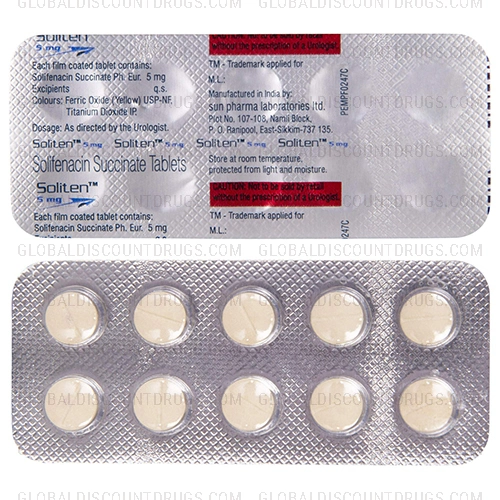
In StockSolifenacin 5 mg Tablet is a prescription antimuscarinic used to reduce urinary urgency, frequency, and urge incontinence associated with overactive bladder. Dry mouth, constipation, and urinary retention may occur.
| Active Ingredient: | Solifenacin |
|---|---|
| Indication: | Overactive Bladder |
| Strength: | 5mg. |
| Dosage Form: | Tablets |
| Manufacturer: | Sun Pharma |

Quick Overview
Solifenacin 5mg is a once-daily tablet used to treat overactive bladder, which causes sudden urges to urinate, frequent urination, and leakage. It belongs to the antimuscarinic class and works by relaxing the bladder muscle. It is available only with a prescription, and a prescriber should supervise its use and review side effects such as dry mouth, constipation, and urinary retention.
Medical Supervision and Regulatory Status
Solifenacin 5mg is a prescription-only medicine in the United States, approved by the FDA, and it is not a controlled substance under federal law. Generic solifenacin succinate tablets are marketed alongside the brand, Vesicare. Supervision is needed because the drug can cause urinary retention, severe constipation, angioedema (sudden swelling), and QT prolongation (a heart rhythm change), and because kidney function, liver function, and certain interacting medicines change the dose limit.
Clinical Context
Overactive bladder is a condition in which the bladder muscle squeezes at the wrong moments, producing sudden urges to urinate, frequent trips to the toilet, and sometimes accidental leakage.
Symptoms can break up sleep, limit travel, and raise the chance of falls during rushed night-time trips to the bathroom. Treatment aims to lower how often episodes occur and how strong each urge feels.
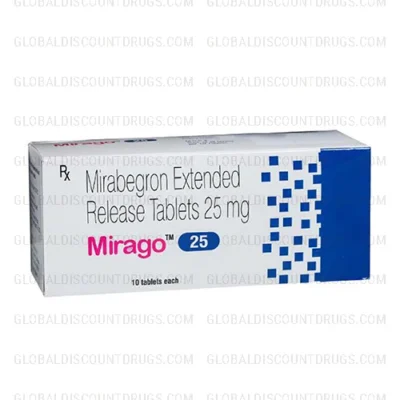
Current American Urological Association guidance generally starts with behavioral steps such as bladder training and timed fluid intake. Oral antimuscarinics, including solifenacin, and beta-3 agonists such as mirabegron come next, and a prescriber may switch classes after a weak response or troublesome effects. In older adults, prescribers also weigh the total anticholinergic load of all medicines.
How Solifenacin 5mg Works
Solifenacin blocks muscarinic receptors in the bladder wall, mainly the M3 type, which reduces involuntary bladder contractions and lets the bladder hold more urine before an urge begins.
Acetylcholine is the chemical messenger that signals the bladder muscle to squeeze. Solifenacin occupies the receptor sites that signal would normally use, so the squeeze weakens. Muscarinic receptors also sit in the salivary glands, bowel, and eyes, which explains dry mouth, constipation, and blurred vision.
The drug stays active in the body for a long time, so one tablet daily covers the full day. Many people have fewer urgency episodes and leaks. Response differs by person, and the medicine controls symptoms without curing the condition.
What Is Solifenacin 5mg?
Solifenacin 5mg is a once-daily antimuscarinic tablet, and the details below summarize its class, ingredient, strengths, dosing schedule, and regulatory status.
- Drug Class: Antimuscarinic (anticholinergic)
- Active Ingredient: Solifenacin succinate
- Mechanism: Blocks muscarinic receptors in the bladder muscle, mainly M3, which reduces involuntary bladder contractions.
- Available Forms and Strengths: Film-coated tablets, 5 mg and 10 mg (an oral suspension also exists for children)
- Dosing Frequency: Once daily
- Regulatory Status: US prescription only, not a controlled substance
Approved Uses
Solifenacin is FDA-approved to treat overactive bladder in adults, and to treat neurogenic detrusor overactivity in children aged 2 and older.
- Urge urinary incontinence: Accidental leakage that follows a sudden, strong need to urinate. The medicine reduces the bladder spasms that set off these episodes.
- Urgency and frequency: A sudden need to urinate that is hard to delay, or needing to go more often than usual by day or night. Treatment may make urges weaker and let the bladder hold more.
- Neurogenic detrusor overactivity (children aged 2 and older): Bladder muscle overactivity caused by a nerve condition such as spina bifida. Doses are based on weight and set by a pediatric specialist.
How to Use and Dosage
Take Solifenacin 5mg once daily with water, with or without food, and swallow the tablet whole at about the same time each day.
The labeled adult starting dose is 5 mg once daily, and the prescriber may raise it to 10 mg once daily if 5 mg is tolerated and symptoms persist, so the prescriber, not the patient, sets the dose. The label limits the dose to 5 mg for severe kidney impairment, moderate liver impairment, and use with strong CYP3A4 inhibitors such as ketoconazole (see Warnings and Precautions). Do not crush or chew the tablet.
For a missed dose, take it as soon as you remember the same day, and skip it if it is already time for the next day’s dose. Never take two doses together to make up for it.
Solifenacin is not known to cause withdrawal symptoms or rebound effects when stopped. Overactive bladder symptoms may return, though, so talk with the prescriber before stopping.
Side Effects
Side effects of Solifenacin 5mg vary from person to person, and many are mild, though a few need prompt medical attention. The label carries no boxed warning.
Common effects. Dry mouth and constipation are the most frequently reported effects. In clinical trials, dry mouth affected about 11% of adults taking 5 mg and about 28% taking 10 mg, and constipation affected about 5% at 5 mg and 13% at 10 mg. Blurred vision, indigestion, urinary tract infection, and dry eyes also occur. A pharmacist can suggest practical ways to ease dry mouth and constipation.
Serious effects. These are uncommon but need prompt attention. They include angioedema (swelling of the face, lips, tongue, or throat), which can appear after the first dose or later, and anaphylaxis. Others include inability to empty the bladder, severe constipation or bowel blockage, eye pain from a sudden rise in eye pressure in people prone to narrow-angle glaucoma, and a fast or irregular heartbeat linked to QT prolongation. Confusion, hallucinations, liver problems, and severe skin reactions have been reported after approval. Drowsiness, dizziness, and blurred vision can affect safe driving.
Emergency Warning Signs
- Swelling of the face, lips, tongue, or throat
- Trouble breathing or swallowing, or hives with dizziness
- Being unable to urinate, or severe lower belly pain with a very full bladder
- Eye pain with redness or sudden vision changes
- Severe belly pain with swelling and no bowel movements or gas
- Fainting, a fast, pounding, or irregular heartbeat, or chest pain
- Confusion, hallucinations, or a widespread blistering or peeling rash
Call 911 or go to the nearest emergency department for any of these symptoms, and do not take another dose if swelling of the face or throat appears. If more tablets than prescribed are taken, call Poison Help at 1-800-222-1222. Milder effects that persist should be reported to the prescriber or pharmacist.
Warnings and Precautions
Solifenacin 5mg must not be used with urinary retention, gastric retention, or uncontrolled narrow-angle glaucoma, and it carries added cautions for bowel, bladder, heart rhythm, kidney, and liver conditions.
It is also contraindicated after an allergic reaction to solifenacin or any ingredient in the tablet, including a past episode of angioedema or anaphylaxis. Bladder outlet obstruction, such as an enlarged prostate, raises the chance of urinary retention. Reduced bowel movement or obstructive bowel disorders raise the risk of severe constipation. Controlled narrow-angle glaucoma calls for close eye care. Solifenacin can lengthen the QT interval, especially at higher doses, so caution applies with a history of QT prolongation, low potassium, or QT-prolonging medicines such as amiodarone, sotalol, quinidine, methadone, and certain macrolide antibiotics.
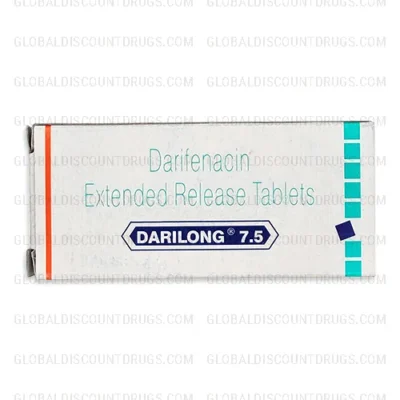
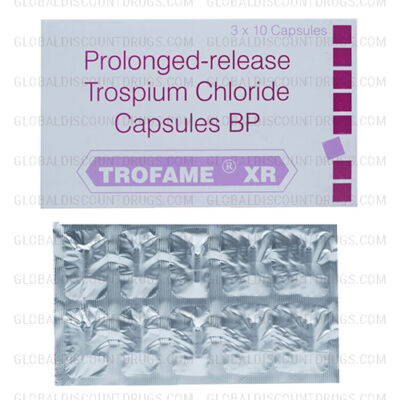
Interactions deserve a pharmacist’s review. Strong CYP3A4 inhibitors, including ketoconazole, itraconazole, ritonavir, clarithromycin, and nefazodone, raise solifenacin levels, so the daily dose should not exceed 5 mg. Rifampin, phenytoin, carbamazepine, and St. John’s wort may lower levels. Other anticholinergic medicines (oxybutynin, tolterodine, trospium, darifenacin, diphenhydramine, and tricyclic antidepressants such as amitriptyline) can add to dry mouth, constipation, and confusion. Solifenacin may weaken the effect of metoclopramide and other medicines that speed stomach and bowel movement. Alcohol may add to drowsiness and dizziness.
For pregnancy, human data are limited, and animal studies showed effects on offspring only at high exposures, so the prescriber weighs benefit against possible risk. It is not known whether solifenacin passes into human breast milk, though it did in animal studies, so the same weighing applies during breastfeeding. In children, use is limited to neurogenic detrusor overactivity under pediatric specialist care.
Older adults can be more sensitive to anticholinergic effects such as confusion, constipation, and dizziness, and may need closer follow-up. The dose should not exceed 5 mg in severe kidney impairment (creatinine clearance below 30 mL/min) or moderate liver impairment (Child-Pugh B), and the medicine is not recommended in severe liver impairment (Child-Pugh C). The label does not require routine lab tests, but prescribers typically review bladder emptying, bowel habits, eye symptoms, heart rhythm risk, and the full medicine list during treatment.
Who Should Not Use This Medication
Solifenacin 5mg should not be taken by people in any of the situations below, because the risks outweigh the likely benefit.
- Urinary retention (inability to empty the bladder)
- Gastric retention (food that does not leave the stomach normally)
- Uncontrolled narrow-angle glaucoma
- A known allergy to solifenacin or any ingredient in the tablet, including past angioedema or anaphylaxis
- Severe liver impairment (Child-Pugh C), for whom the label does not recommend use
Storage Instructions
Store Solifenacin 5mg tablets at room temperature, about 77 degrees Fahrenheit, in the original container, away from moisture, and out of the reach of children and pets.
Brief temperature excursions between 59 and 86 degrees Fahrenheit are acceptable. Avoid bathrooms and other humid spots, and keep the tablets in a locked cabinet if possible. To dispose of unused or expired tablets, use a drug take-back program or a pharmacy kiosk. If none is available, FDA guidance is to mix the tablets with used coffee grounds or cat litter in a sealed bag and place it in household trash.
Frequently Asked Questions
What is the cost of Solifenacin 5mg without insurance?
The cost without insurance depends on the seller, brand availability, and pack size. Location and available discounts can also change the amount. Generic solifenacin succinate tablets are generally more affordable than the brand, Vesicare, when a generic exists. A licensed pharmacy can confirm the current cash price for your prescription before you place an order.
How can I order Solifenacin 5mg online?
You can order Solifenacin 5mg online only with a valid prescription. Upload a copy or ask your prescriber to send it electronically, then order from a licensed US pharmacy and receive it by home delivery. Before sharing health details, check that the pharmacy holds a state license and has a pharmacist available to answer questions.
Is Solifenacin 5mg available over the counter?
No, Solifenacin 5mg is not sold over the counter in the United States. Rules differ by country, so a version sold without a prescription elsewhere should not be assumed safe here. Medical supervision is required because the drug can cause urinary retention, severe constipation, and a heart rhythm change called QT prolongation.
Does Solifenacin 5mg require a prescription?
Yes, a prescription from a licensed US prescriber is required. A clinician must confirm the diagnosis, ask about glaucoma, bladder emptying, bowel problems, heart rhythm history, and liver or kidney disease, and review your current medicines before the first fill. Follow-up visits then show whether symptoms are improving and whether side effects such as dry mouth are acceptable.
How long does Solifenacin 5mg take to work?
Some people notice fewer urgency episodes within about one to two weeks, and benefit may keep building for up to 12 weeks. Clinical trials measured improvement across that period. Response varies by person, so report ongoing symptoms to your prescriber rather than raising the dose yourself, since the higher dose brings more dry mouth and constipation.
Is it safe to stop taking Solifenacin 5mg suddenly?
Stopping Solifenacin 5mg abruptly is not known to cause withdrawal symptoms or a rebound effect. Overactive bladder symptoms may return, because the tablet controls symptoms without curing the condition. Talk with your prescriber before stopping, especially if side effects are the reason, so that another option can be discussed with you.
Can Solifenacin 5mg interact with other medicines?
Yes, Solifenacin 5mg can interact with several medicines. Strong CYP3A4 inhibitors such as ketoconazole, itraconazole, clarithromycin, and ritonavir limit the dose to 5 mg. Other anticholinergic drugs can add to dry mouth and constipation, and QT-prolonging drugs such as amiodarone or sotalol call for caution. Tell your pharmacist about every prescription, over-the-counter product, and supplement.
What should I do if I miss a dose of Solifenacin 5mg?
If you miss a dose of Solifenacin 5mg, take it when you remember that day, and skip it if the next day’s dose is due. Never take two tablets together to catch up. Missed-dose wording can vary between products, so check the leaflet from your pharmacy or ask the pharmacist if you are unsure.
References
- DailyMed (NIH): Current FDA-approved prescribing information for solifenacin succinate tablets, including indications, contraindications, warnings, interactions, and dosing.
- MedlinePlus (NIH): Plain-language patient drug information on solifenacin, covering how to take it, precautions, and side effects.
- FDA (Drugs@FDA): Approval history and labeling entry for solifenacin succinate tablets (Vesicare).
Medical Disclaimer:
This content is for informational purposes only and does not constitute medical advice, diagnosis, or treatment. Consult a qualified specialist or physician before using Solifenacin 5mg.
Prescription Required (Rx) to Buy?
This medication is not available over the counter. A valid prescription from a licensed healthcare
professional is required. Always consult your doctor before use.
| Quantity | 120, 30, 60, 90 |
|---|---|
| Indication | Overactive Bladder |
| Active Ingredient | Solifenacin |
| Pharmaceutical Form | Tablets |
| Manufacturer | Sun Pharma |
| Indian Brand | Soliten 5mg |
| US Brand Name | Solifenacin, Vesicare |
| Generic Name | Solifenacin |
| Dosage | 5mg. |
| Drug Type | Tablets |