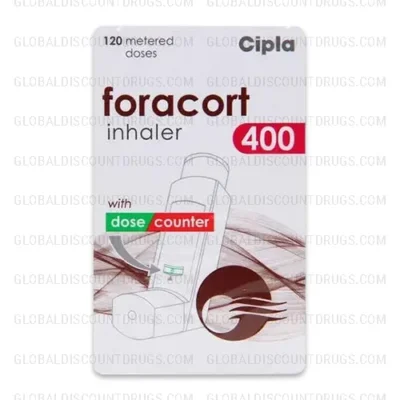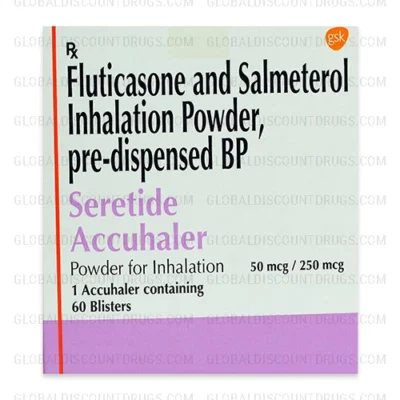


Salmeterol-Fluticasone Propionate
In StockSalmeterol-Fluticasone Propionate inhaler is designed for long-term asthma and COPD care. Fluticasone reduces inflammation, while Salmeterol relaxes airways for smoother breathing. It prevents wheezing and chest tightness. Daily use ensures better lung performance. A trusted choice for consistent respiratory control.

What Is Salmeterol–Fluticasone Propionate?
Salmeterol–fluticasone propionate combines two different medicines in a single inhaler:
- Salmeterol (as salmeterol xinafoate): a long-acting beta2-agonist (LABA). It helps open the airways by relaxing the muscles around them.
- Fluticasone propionate: an inhaled corticosteroid (ICS). It helps lower swelling and irritation inside the airways.
Drug class: Inhaled corticosteroid / long-acting beta2-agonist (ICS/LABA) combination.
Approved Uses
Depending on the country, product, and label, this medicine is approved for:
- Asthma: ongoing (maintenance) treatment to improve control and lower the chance of flare-ups. It is usually chosen when one controller medicine alone is not enough, or when a doctor decides that both ingredients are needed together.
- COPD: ongoing treatment of airflow blockage in adults with chronic bronchitis or emphysema, and to reduce flare-ups in people who have had them before. Only specific products and strengths carry this approval.
This medicine is not a rescue inhaler and does not treat sudden breathing problems.
Available Formulations and Strengths
Two main inhaler types exist. Strengths are listed as fluticasone propionate / salmeterol in micrograms (mcg).
| Formulation | Common Strengths | Notes |
|---|---|---|
| Dry powder inhaler (breath-activated) | 100/50 mcg, 250/50 mcg, 500/50 mcg | Powder is drawn in through the mouth. Brand and generic versions exist. |
| Metered-dose inhaler (HFA aerosol) | 45/21 mcg, 115/21 mcg, 230/21 mcg | Sprays a measured puff. A spacer may be advised. |
The products, strengths, and age groups approved for use differ by country. A prescriber or pharmacist can explain which option applies to a particular patient.
What Is the Recommended Dosage of Salmeterol–Fluticasone Propionate?
A licensed healthcare professional chooses the dose based on:
- The condition: asthma and COPD are treated differently, and not every strength is approved for both.
- Age: children, teens, and adults may be given different products or strengths.
- How severe the symptoms are and how well they are controlled.
- Other health conditions, including liver and heart problems.
Body weight is not normally used to select the dose.
Dosage Forms
- Inhalation powder (dry powder inhaler), taken by mouth only.
- Inhalation aerosol (metered-dose inhaler), taken by mouth only.
General Use Information
This medicine is typically used twice daily, about 12 hours apart. Using extra doses does not improve control and can increase the chance of serious side effects, especially heart-related ones. Follow your specialist’s instructions and the pharmacy label.
Rinse your mouth with water after each use and spit the water out. This lowers the risk of mouth and throat infections.
How Salmeterol–Fluticasone Propionate Works
The two ingredients act in complementary ways:
- Salmeterol relaxes the tight muscle bands around the breathing tubes. Its effect lasts roughly 12 hours, but it starts slowly, which is why it is not suited to sudden symptoms.
- Fluticasone propionate is a steroid that quiets swelling and sensitivity in the airway lining, so the airways react less to triggers such as pollen, smoke, or cold air.
Together they help reduce wheezing, coughing, chest tightness, and shortness of breath. This medicine manages asthma and COPD but does not cure them. It works best when used every day as prescribed, even when symptoms are quiet. Full benefit can take days to weeks.
Is a Prescription Required to Buy Salmeterol–Fluticasone Propionate Online?
Yes. Salmeterol–fluticasone propionate is available by prescription only.
Which Specialist Can Help?
- A pulmonologist (lung specialist) often treats COPD and harder-to-control asthma.
- An allergist/immunologist often treats asthma linked to allergies.
- A primary care provider or pediatrician may also prescribe it and follow the patient over time.
Buying Safely
- Buy only from licensed pharmacies that ask for a valid prescription.
- Be wary of sites that sell inhalers without a prescription or at prices that seem too low. Such products may be counterfeit, expired, badly stored, or contain the wrong ingredients.
- Make sure the inhaler is sealed, properly labeled, and has an expiration date. If anything looks odd, ask a pharmacist.
Side Effects of Salmeterol–Fluticasone Propionate
Many people do well on this medicine, but side effects can occur. Not everyone will have them.
Common Side Effects
- Colds and other upper respiratory infections
- Sore or irritated throat
- Hoarseness
- Headache
- Cough
- Thrush (white or yellow patches) in the mouth or throat
- Bronchitis or sinus inflammation
- Nausea
- Muscle, joint, or bone aches
- Shakiness, nervousness, or a faster heartbeat
Serious Side Effects
These are uncommon but important:
- Breathing that suddenly gets worse right after a dose (paradoxical bronchospasm)
- Pneumonia, reported more often in people with COPD who use inhaled steroids
- Allergic reactions: rash, hives, swelling of the face, lips, or tongue, or trouble breathing
- Rapid, pounding, or irregular heartbeat, chest pain, or high blood pressure
- Low potassium or high blood sugar levels
- Eye problems, such as blurred vision, cataracts, or glaucoma
- Reduced bone density with long-term use
- Suppressed adrenal function or signs of excess steroid effect, mainly after long-term use or when changing from steroid tablets
- Slower growth in children
- Greater risk of infection, or worsening of infections such as tuberculosis, herpes, or fungal infections
When to Get Medical Help Right Away
Seek emergency care if there is:
- Severe trouble breathing, or breathing that worsens after using the inhaler
- Swelling of the face, lips, tongue, or throat
- Chest pain or a very fast or irregular heartbeat
- Fainting or severe dizziness
Contact a healthcare professional soon if symptoms are getting worse, the rescue inhaler is needed more often, or white patches appear in the mouth.
Drug Interactions
Other medicines can change how this inhaler works or raise the risk of side effects. Give your specialist and pharmacist a full list of everything you use.
Prescription Medicine Categories
- Strong CYP3A4 inhibitors, which can raise levels of both ingredients. Examples include some antifungals (such as ketoconazole), some antibiotics (such as clarithromycin), and some HIV medicines (such as ritonavir-containing products). Combining them is generally not recommended.
- Other long-acting beta2-agonists, including other combination inhalers and oral beta-agonists.
- Beta-blockers, including some eye drops, which can block the effect of salmeterol and may cause breathing trouble in some people.
- Diuretics (“water pills”) that lower potassium.
- MAOIs and tricyclic antidepressants, which may heighten salmeterol’s effects on the heart and blood vessels, including for about two weeks after stopping them.
- Medicines that can affect heart rhythm (QT prolongation).
Over-the-Counter (OTC) Medicines
- Decongestants and some cold and allergy products may raise heart rate or blood pressure.
- Other OTC inhalers or asthma products should be used only with a healthcare professional’s approval.
Supplements and Herbal Products
- Stimulant-type supplements (for example, those with high caffeine, ephedra-like ingredients, or bitter orange) may add to heart-related effects.
- St. John’s wort and other herbal products can change how the body handles medicines. Ask before using them.
Never start, stop, or change a medicine or supplement without talking to a licensed professional.
Safety & Important Considerations
Not for Sudden Symptoms
This medicine does not relieve sudden breathing problems. Keep a fast-acting rescue inhaler on hand as directed. Get emergency help if the rescue inhaler does not work.
Avoid Extra Doses
Taking more than prescribed, or more often than twice daily, can cause serious heart problems. Do not use another LABA-containing product at the same time unless a healthcare professional says to.
Liver Disease
The liver clears both ingredients. People with liver disease may have higher drug levels and need closer follow-up.
Kidney Disease
Dose changes are not usually needed for kidney disease, but share any kidney conditions with your provider.
Pregnancy and Breastfeeding
- Tell your healthcare professional if you are pregnant, planning pregnancy, or breastfeeding.
- Uncontrolled asthma can also pose risks in pregnancy, so treatment choices should be made together with a specialist.
- It is not fully known whether the ingredients pass into breast milk.
Children and Older Adults
- Children: Approved ages differ by product. Growth should be checked regularly in children using inhaled steroids.
- Older adults: Heart disease, bone loss, and other conditions may call for closer monitoring.
Conditions to Discuss Before Starting
Tell your healthcare professional if you have, or have had:
- Heart disease, high blood pressure, or an irregular heartbeat
- Seizures
- Thyroid disease or diabetes
- Low potassium
- Liver disease
- Osteoporosis
- Glaucoma, cataracts, or other eye problems
- An untreated infection, such as tuberculosis
- An allergy to milk proteins (relevant to the powder inhaler)
Monitoring
Your care team may:
- Track symptoms, lung function tests, and how often you need your rescue inhaler
- Check eyes, blood sugar, bone health, or growth in children during long-term use
- Watch for pneumonia, particularly in people with COPD
Switching From Steroid Tablets
If you are changing from oral steroids, your doctor will lower the steroid dose gradually. Do not stop steroid tablets suddenly.
Safety Information From Regulators
Regulators advise that asthma medicines containing a LABA should be used together with an inhaled corticosteroid, not on their own. Products containing inhaled steroids also carry warnings about pneumonia in COPD, bone loss, eye changes, and infections. Read the current prescribing information and Medication Guide that come with your inhaler.
Who This Medication Is For
Salmeterol–fluticasone propionate is intended for:
- People with asthma who need regular, long-term controller treatment, as decided by their healthcare professional and within the label’s age limits.
- Adults with COPD who need ongoing treatment to keep airways open and, for some, to reduce flare-ups.
It is a maintenance (controller) medicine. A specialist decides if it is appropriate after reviewing symptoms, lung tests, prior treatments, and overall health.
Who Should Not Take Salmeterol–Fluticasone Propionate
Do not use this medicine if:
- You are having a sudden, severe asthma attack (status asthmaticus) or need fast relief. It is not for primary treatment of these emergencies.
- You have a severe allergy to milk proteins (applies to the powder inhaler, which contains lactose that may carry traces of milk protein).
- You are allergic to salmeterol, fluticasone propionate, or any other ingredient in the inhaler.
Important Precautions
Use extra caution and speak with your specialist if you have heart disease, seizure disorders, thyroid problems, diabetes, low potassium, liver disease, eye conditions, bone loss, or an active infection. Avoid strong CYP3A4-inhibiting medicines unless a healthcare professional has reviewed the risks.
What to Do If You Miss a Dose
- Skip the missed dose and take the next one at the usual time.
- Never double up or take extra doses to catch up.
- If you often forget doses or are unsure what to do, contact a licensed healthcare professional or pharmacist.
- If symptoms worsen after a missed dose, follow your asthma or COPD action plan and get medical help if needed.
Related medications to Salmeterol–Fluticasone Propionate
Other ICS/LABA combination inhalers include:
- Fluticasone furoate–vilanterol
- Budesonide–formoterol
- Mometasone furoate–formoterol
- Beclometasone–formoterol (available in some countries)
Some adults with COPD use triple-therapy inhalers that combine an inhaled steroid, a LABA, and a long-acting muscarinic antagonist (LAMA). Other people use bronchodilators alone or add-on asthma treatments, depending on their condition.
These options differ in device type, dosing schedule, approved ages, and side effects. Do not switch or stop treatment without guidance. Any change should be made after consulting a licensed medical specialist.
Storage Instructions
- Store at room temperature, typically about 68°F to 77°F (20°C to 25°C), unless the label says otherwise. Brief trips outside this range are generally acceptable.
- Keep the inhaler dry and away from moisture, such as steamy bathrooms.
- Powder inhaler: keep it in the sealed foil pouch until first use, do not take it apart or wash it, and use it within the time on the label (commonly about one month after opening the pouch) or until the dose counter reads zero, whichever comes first.
- Aerosol inhaler: the canister is pressurized. Do not puncture it, burn it, or keep it near heat or open flame, and shield it from direct sunlight. Stop using it when the dose counter reads zero.
- Keep out of reach and sight of children and pets. Never share your inhaler with anyone.
- Dispose of expired or empty inhalers as advised by your pharmacist or local disposal program.
Disclaimer:
This page is for educational purposes only. It is not a substitute for professional medical advice, diagnosis, or treatment. Patients must consult a licensed pulmonologist, allergist, or other relevant medical specialist before starting, changing, or stopping treatment. Treatment decisions must be based on a full clinical evaluation by a qualified specialist. Always follow the prescribing information and Medication Guide provided with your medicine.
Prescription Required (Rx) to Buy?
This medication is not available over the counter. A valid prescription from a licensed healthcare
professional is required. Always consult your doctor before use.