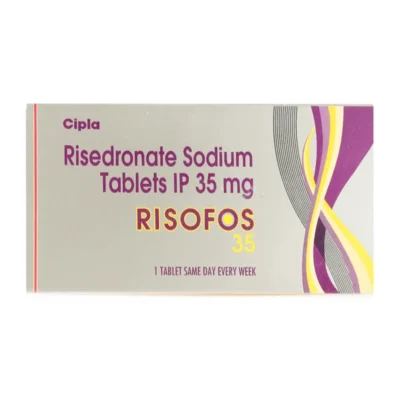
Risedronate
In StockRisedronate is a prescription medicine used to help treat and prevent bone conditions such as osteoporosis and Paget’s disease of bone. It belongs to the bisphosphonate class and works by slowing bone breakdown, helping maintain bone density and strength. Treatment supports healthier bones and reduces fracture risk. Use only as directed on the product label or by a healthcare professional.

What is Risedronate?
Risedronate is a prescription medication used to treat and prevent certain bone conditions. It belongs to a class of medicines called bisphosphonates, which help slow bone loss and improve bone strength.
Healthcare professionals prescribe risedronate to reduce the risk of fractures in people with weakened bones.
Approved and commonly prescribed uses include:
- Treatment of osteoporosis in postmenopausal women
- Treatment of osteoporosis in men
- Prevention of osteoporosis in individuals at high risk
- Treatment of glucocorticoid-induced osteoporosis (bone loss caused by long-term steroid use)
- Treatment of Paget’s disease of bone
Risedronate helps strengthen bones but does not cure the underlying condition.
Available formulations and strengths
Risedronate is commonly available as:
- Oral tablets
- Delayed-release tablets
Depending on the product and region, tablet strengths may include:
The specific dosing schedule may vary, such as daily, weekly, or monthly dosing under medical supervision.
What is the Recommended Dosage of Risedronate?
The appropriate dosage of risedronate is determined by a licensed healthcare professional, typically an endocrinologist, rheumatologist, or primary care physician.
Dosage may vary based on several factors, including:
- The condition being treated
- Age and overall bone health
- Risk of fractures
- Kidney function
Use of other medications that affect bone metabolism
How Risedronate Works
Bones constantly undergo a natural process of breakdown and rebuilding. In conditions such as osteoporosis, bone breakdown occurs faster than bone formation, leading to weaker bones.
Risedronate works by slowing the activity of bone-breaking cells called osteoclasts.
This action helps:
- Reduce bone loss
- Maintain or improve bone density
- Lower the risk of fractures in certain patients
While risedronate can strengthen bones over time, it does not cure osteoporosis or Paget’s disease. Long-term management often includes medication, nutrition, weight-bearing exercise, and regular medical monitoring.
Is a Prescription Required to Buy Risedronate Online?
Yes. Risedronate is a prescription-only medication in most countries.
Before starting treatment, patients must consult a licensed healthcare professional, such as:
- An endocrinologist
- A rheumatologist
- A primary care physician
These specialists assess bone density, fracture risk, and overall health before recommending treatment.
When purchasing medications online, patients should:
- Buy only from licensed pharmacies
- Avoid medications sold without a valid prescription
- Be cautious of counterfeit or improperly stored products
Using unverified medication sources may lead to ineffective or unsafe treatment.
Side Effects of Risedronate
Like all medications, risedronate can cause side effects. Many people tolerate the medication well, but some may experience mild or more serious effects.
Common Side Effects
Common side effects may include:
- Stomach discomfort
- Nausea
- Heartburn
- Mild abdominal pain
- Muscle or joint pain
- Headache
These symptoms are often temporary but should be discussed with a healthcare professional if they persist.
Serious Side Effects
Rare but serious side effects may include:
- Severe esophageal irritation or ulcers
- Difficulty swallowing or chest pain
- Severe bone, muscle, or joint pain
- Osteonecrosis of the jaw (rare condition involving jawbone damage)
- Unusual thigh bone fractures after long-term use
- Severe allergic reactions
Patients should seek immediate medical attention if they experience chest pain, difficulty swallowing, severe bone pain, or symptoms of an allergic reaction.
Drug Interactions
Risedronate may interact with certain medications and supplements that affect its absorption or effectiveness.
Prescription medications
Possible interactions include:
- Certain antacids
- Calcium supplements
- Some iron or magnesium supplements
- Other medications affecting bone metabolism
- Over-the-counter medications
OTC products that may affect absorption include:
- Calcium-containing antacids
- Mineral supplements
- Digestive medicines containing magnesium or aluminum
- Supplements and herbal products
Some supplements may interfere with how risedronate is absorbed in the digestive tract.
Examples include:
- Calcium supplements
- Iron supplements
- Multivitamins containing minerals
Patients should provide a complete list of medications, supplements, and herbal products to their healthcare professional before starting treatment.
Safety & Important Considerations
Certain precautions are important when using risedronate.
Esophageal health
Risedronate may irritate the esophagus. Patients are typically advised to:
- Take the medication with a full glass of water
- Remain upright for at least 30 minutes after taking the dose
- Avoid lying down immediately after administration
Kidney function
Patients with severe kidney impairment may require alternative treatment.
Pregnancy and breastfeeding
The safety of risedronate during pregnancy or breastfeeding has not been fully established. A healthcare professional should evaluate risks and benefits.
Dental health
Rare cases of osteonecrosis of the jaw have been reported. Patients planning major dental procedures should discuss this with their healthcare professional.
Monitoring
Patients receiving treatment may undergo periodic monitoring such as:
- Bone mineral density tests
- Evaluation of fracture risk
- Review of calcium and vitamin D intake
Who This Medication Is For
Risedronate is commonly prescribed for adults with conditions affecting bone strength.
Typical patient groups include:
- Postmenopausal women with osteoporosis
- Men with osteoporosis
- Individuals receiving long-term corticosteroid therapy
- Patients diagnosed with Paget’s disease of bone
Treatment decisions are based on bone density measurements, fracture risk, and medical history.
Who Should Not Take Risedronate
Risedronate may not be appropriate for certain individuals.
Contraindications and precautions may include:
- Allergy to risedronate or other bisphosphonates
- Severe kidney disease
- Inability to remain upright for at least 30 minutes
- Certain esophageal disorders
- Low blood calcium levels (hypocalcemia)
A healthcare professional should evaluate medical history before prescribing this medication.
What to Do If You Miss a Dose
If a dose of risedronate is missed, the correct action depends on the dosing schedule.
General guidance includes:
- Take the missed dose as soon as you remember, if it is not close to the next scheduled dose.
- If it is near the time of the next dose, skip the missed dose.
- Patients should not take two doses at the same time.
If there is uncertainty about how to manage a missed dose, patients should contact their healthcare professional or pharmacist for advice.
Related medications to Risedronate
Several medications are available to help manage osteoporosis or other bone disorders.
Examples include:
These medications belong to different therapeutic classes and may have different dosing schedules and safety considerations.
Switching treatments should only occur after consultation with a licensed healthcare professional.
Storage Instructions
Risedronate should be stored following standard medication safety guidelines.
General storage recommendations include:
- Store at room temperature
- Keep away from excess moisture and heat
- Protect from direct light
- Store tablets in their original packaging when possible
For safety:
- Keep the medication out of reach of children and pets
- Do not use expired medication
- Dispose of unused medication according to pharmacy or local waste guidance
Disclaimer:
This page is for educational purposes only. The information provided here is not a substitute for professional medical advice, diagnosis, or treatment. Patients must consult a licensed healthcare professional such as an endocrinologist, rheumatologist, or primary care physician before starting, changing, or stopping treatment with risedronate. All treatment decisions should be based on a full clinical evaluation conducted by a qualified medical specialist.
Prescription Required (Rx) to Buy?
This medication is not available over the counter. A valid prescription from a licensed healthcare
professional is required. Always consult your doctor before use.