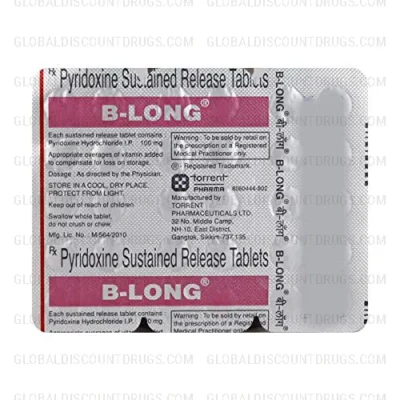

Pyridoxine Hcl-Folic Acid
In StockPyridoxine Hcl-Folic Acid is a nutritional supplement combination, often prescribed to manage or prevent deficiencies of these essential B vitamins. Pyridoxine (B6) is crucial for nerve, skin, and red blood cell health, while Folic Acid (B9) is vital for cell division, DNA formation, and preventing certain birth defects. This combination is commonly used to support cardiovascular health by helping to manage elevated homocysteine levels.

What is Pyridoxine HCl–Folic Acid?
This is a combination vitamin supplement with two ingredients:
- Pyridoxine HCl is a form of vitamin B6. It helps the body use proteins, make red blood cells, and support nerve function.
- Folic acid is the supplement form of vitamin B9 (folate). It helps the body make DNA and new cells, including red blood cells, and lowers the risk of certain birth defects when taken before and during early pregnancy.
Category: Water-soluble B-vitamin combination. Many similar products also contain vitamin B12 (cobalamin), so check your label to see exactly what your product contains.
Approved and common uses: Because most of these products are not FDA-approved drugs, uses are based on nutrition needs and medical guidance. Common uses include:
- Preventing or correcting low levels of vitamin B6 and folate, when a healthcare professional identifies a need
- Nutritional support for people with limited diet, poor absorption, or higher needs
- Dietary management of high homocysteine levels (hyperhomocysteinemia), under medical supervision
- Nutritional support for people with kidney disease, especially those on dialysis, or people taking medicines that lower B vitamins
These products are not proven to treat or prevent heart disease or other serious conditions on their own. Uses beyond these should only be considered after review by a licensed healthcare professional.
Available formulations and strengths: Availability varies by brand and country.
- Tablets and caplets
- Capsules
- Chewables, liquids, or gummies, in some markets
Strengths vary widely. Folic acid is often listed in micrograms (mcg) or milligrams (mg), and pyridoxine in milligrams (mg). For example, folic acid may range from 400 mcg to 5 mg per tablet. Always check the amounts on your label.
What is the Recommended Dosage of Pyridoxine HCl–Folic Acid?
The right amount depends on the reason for use, and your healthcare professional or the product label should guide you. It depends on several factors:
- Age and sex
- Reason for use, such as general supplementation, deficiency, or high homocysteine
- Pregnancy or breastfeeding, which increase folate needs
- Kidney function, including dialysis
- Diet and how well you absorb nutrients
- Other medications and supplements you take
Most products are taken once daily, with or without food. Taking it with food may ease stomach upset. Doses used for deficiency or medical conditions can be higher than everyday multivitamin amounts and should be set by a provider.
General limits to keep in mind for adults from all sources are:
- Vitamin B6: upper limit of 100 mg per day
- Folic acid (from supplements and fortified foods): upper limit of 1,000 mcg (1 mg) per day, unless a provider prescribes more
Higher doses are sometimes prescribed for specific conditions, and limits are lower for children.
Follow your label or your provider’s instructions. Do not take large doses for a long time without medical supervision.
How Pyridoxine HCl–Folic Acid Works
Both vitamins act as helpers, called cofactors, for enzymes in the body. Folic acid supports cell growth and helps build DNA and red blood cells. Pyridoxine helps process amino acids and works together with folate and vitamin B12 to break down homocysteine, an amino acid that can build up when these vitamins are low.
In simple terms, this combination gives the body the B vitamins it needs for blood cell production, nerve function, and normal amino acid processing.
These products correct or prevent low vitamin levels. They do not cure illnesses on their own, and taking extra does not improve health in people who already get enough. Individual results vary.
Is a Prescription Required to Buy Pyridoxine HCl–Folic Acid Online?
Requirements vary. Low-dose products are often sold without a prescription as supplements. Some higher-dose combinations are labeled “prescription only” or sold as medical foods under provider supervision. Talk to a licensed physician, pharmacist, or registered dietitian before use. Depending on the reason for use, a primary care physician, hematologist (blood specialist), nephrologist (kidney specialist), or obstetrician may be involved.
Keep these safety points in mind:
- Buy only from licensed pharmacies or reputable, verified sellers.
- Dietary supplements and medical foods are less strictly regulated than prescription drugs, so quality and actual content can vary. Look for products tested by an independent third party.
- Check the label for the amount of each vitamin per tablet, other ingredients, and the expiry date.
- Be cautious of products that claim to cure or treat serious illness, or that contain unlisted ingredients.
- Remember that multivitamins, prenatal vitamins, B-complex products, and fortified foods may also contain these vitamins, and the amounts can add up.
Side Effects of Pyridoxine HCl–Folic Acid
Common Side Effects
At usual doses, this combination is generally well tolerated. Effects may include:
- Nausea or stomach upset
- Bloating or gas
- Loss of appetite
- Headache
- Bitter or unpleasant taste
- Bright yellow urine, which is harmless and caused by B vitamins
Taking it with food may help with stomach symptoms. Tell your care team if effects continue.
Serious Side Effects
These are uncommon but need attention:
- Allergic reactions, such as rash, itching, or swelling
- Nerve damage (peripheral neuropathy) from long-term high-dose vitamin B6, with numbness, tingling, or burning in the hands and feet
- Sensitivity to sunlight, causing rash or blisters
- Hidden vitamin B12 deficiency. High-dose folic acid can improve the anemia caused by low B12 while nerve damage continues to worsen.
- Trouble sleeping, irritability, or confusion, reported rarely with high folic acid doses
- Seizures in people with seizure disorders, reported rarely
Seek immediate medical attention if you have trouble breathing, swelling of the face, lips, or throat, a severe allergic reaction, or a seizure. Contact your doctor promptly if you notice numbness or tingling, trouble walking, memory changes, unusual weakness, or a new skin rash after sun exposure.
Drug Interactions
Some medicines lower B vitamin levels, and these vitamins can change how some medicines work. Major categories to discuss with your specialist include:
- Methotrexate, pemetrexed, and other folate-blocking medicines. Folic acid may change their effects, and it is sometimes prescribed with them on purpose. Do not adjust use without your specialist.
- Phenytoin, phenobarbital, primidone, and other antiseizure medicines. Folic acid and high-dose vitamin B6 can lower their blood levels and affect seizure control. These medicines can also lower folate levels.
- Levodopa (used alone) for Parkinson’s disease. Vitamin B6 can reduce its effect. This does not usually happen when levodopa is combined with carbidopa, but ask your doctor.
- Fluorouracil and capecitabine (chemotherapy). Folic acid may increase side effects. Ask your oncology team before taking extra vitamins.
- Trimethoprim, pyrimethamine, and sulfasalazine, which can lower folate or block its effects
- Isoniazid, cycloserine, hydralazine, and penicillamine, which can lower vitamin B6
- Oral contraceptives, hormone therapy, metformin, and acid-reducing medicines, which may slightly lower B vitamin levels with long-term use
- Over-the-counter (OTC) medications
- Vitamins, supplements, and herbal products, including multivitamins and B-complex products that also contain these vitamins
- Alcohol, which can lower both folate and vitamin B6 levels with heavy use
Give your licensed medical specialist and pharmacist a complete, up-to-date list of everything you take, including OTC products, supplements, and herbal remedies. Update the list whenever something changes.
Safety & Important Considerations
- Check your vitamin B12. Folic acid can hide the signs of B12 deficiency, which can cause permanent nerve damage if untreated. Older adults, vegans, and people with stomach or bowel conditions are at higher risk. Ask your provider whether B12 testing is needed.
- Stay within upper limits. Count both vitamins from all sources, including multivitamins, prenatal vitamins, B-complex products, fortified foods, and energy drinks.
- Avoid long-term high doses of B6. Nerve damage has been linked to prolonged high intake. Report tingling or numbness early. Symptoms often improve after stopping, but recovery may be slow or incomplete.
- Kidney disease: Kidney problems can change how vitamins are handled. Ask your doctor before supplementing.
- Seizure disorders: Ask your neurologist before starting, since these vitamins can change seizure medicine levels.
- Pregnancy: Folic acid is recommended before and during early pregnancy to help prevent neural tube defects, and vitamin B6 is needed as well. Do not exceed recommended limits, and ask your provider which product is best for you. Higher folic acid doses are sometimes prescribed for people with certain risk factors.
- Breastfeeding: Both vitamins pass into breast milk, and needs are higher during breastfeeding. Ask your provider about safe amounts. High doses of B6 may reduce milk production in some cases.
- Children: Upper limits are lower for children. Give these products only as directed by a pediatrician, and keep all supplements out of reach.
- Older adults: Older adults may have lower intake or absorption and a higher chance of B12 deficiency. Ask your provider before using higher doses.
- Monitoring: Providers may check blood counts, vitamin levels (folate, B6, B12), homocysteine levels, and symptoms during higher-dose or long-term use.
- Sun protection: Some people become more sensitive to sunlight. Use protective clothing and sunscreen if you notice this.
- Diet first: Folate is found in leafy greens, beans, citrus fruits, and fortified grains. Vitamin B6 is found in fish, poultry, potatoes, bananas, and chickpeas. Many people meet part of their needs through food.
Who This Medication Is For
This combination is for people who need extra folic acid and vitamin B6, such as those with a diagnosed deficiency, limited diet, poor absorption, high homocysteine, or kidney disease, or people taking medicines that lower these vitamins. Diagnosis of deficiency may involve a review of diet and symptoms, and blood tests. Whether it is appropriate depends on your age, diet, overall health, other medicines, and goals.
Who Should Not Take Pyridoxine HCl–Folic Acid
This combination may not be suitable for people who:
- Have had an allergic reaction to pyridoxine, folic acid, or any ingredient in the product
- Have untreated vitamin B12 deficiency or pernicious anemia, since folic acid can hide it
- Are taking levodopa without carbidopa, unless a doctor advises it
- Have existing nerve damage (neuropathy) unrelated to B6 deficiency, unless a doctor advises it
- Take antiseizure or folate-blocking medicines, unless their doctor is aware and approves
Extra precautions apply for people who are pregnant or breastfeeding, children, older adults, people with kidney disease, and people who take several supplements. Your provider will weigh these factors.
What to Do If You Miss a Dose
- Take the missed dose as soon as you remember, unless it is close to your next dose.
- If it is almost time for your next dose, skip the missed one and continue your regular schedule.
- Do not double up to make up for a missed dose.
- If you take this product for a medical condition or alongside a medicine such as methotrexate, do not stop your other medicines. Contact your care team if you miss several doses or are unsure.
Related medications to Pyridoxine HCl–Folic Acid
Options depend on the reason for use. Your provider may discuss:
- Folic acid alone or vitamin B6 alone, when only one is needed
- Combination products that also contain vitamin B12, often used when homocysteine or B12 status is a concern
- Active forms of the vitamins, such as L-methylfolate or pyridoxal 5′-phosphate (P5P). Evidence and amounts differ between forms.
- Prenatal vitamins or multivitamins that include folic acid and B6
- Folate- and B6-rich foods, such as leafy greens, beans, fortified cereals, fish, poultry, and potatoes
- For diagnosed deficiency or medical conditions: treatment plans guided by your specialist
Each option has its own benefits, risks, and limits. Do not switch or stop treatment without consulting your provider.
Storage Instructions
- Store at room temperature, generally 68°F to 77°F (20°C to 25°C), unless your label says otherwise.
- Keep the container tightly closed and protect it from moisture and excess heat, such as in a bathroom or car.
- Protect from light, since both vitamins can break down when exposed to light. Keep them in the original container.
- Store out of the sight and reach of children and pets. Chewables and gummies can look like candy, and iron-containing or high-dose vitamins can be dangerous to children.
- Do not use expired products or those that have changed color or smell. Ask your pharmacist about safe disposal options.
Disclaimer:This page is for educational purposes only. It is not a substitute for professional medical advice, diagnosis, or treatment. Patients must consult a licensed physician, pharmacist, or other qualified medical specialist before starting, changing, or stopping any supplement or treatment. Treatment decisions must be based on a full clinical evaluation by a qualified professional. If you think you are having a medical emergency, call your local emergency number immediately.
Prescription Required (Rx) to Buy?
This medication is not available over the counter. A valid prescription from a licensed healthcare
professional is required. Always consult your doctor before use.