
Naltrexone
In StockNaltrexone is an opioid receptor antagonist used as a key component in the long-term management of both opioid and alcohol dependence. It works by blocking the euphoric and sedating effects of opioids and reducing the craving for alcohol by interfering with the brain’s reward pathways. This API is a critical pharmacological tool for supporting abstinence in recovering patients. Naltrexone is essential in comprehensive substance use disorder programs.

What Is Naltrexone?
Naltrexone is a prescription medication that belongs to a class of drugs called opioid antagonists, used in the treatment of substance use disorders.
Approved uses include:
- Alcohol use disorder — helping people who have already stopped drinking maintain abstinence
- Opioid use disorder — helping prevent relapse after a person has completed opioid detoxification
Available formulations include:
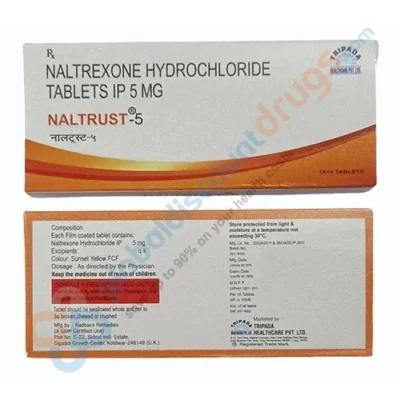
- Oral tablets (commonly 50 mg)
- Extended-release intramuscular (gluteal) injection, given once monthly by a healthcare provider
Naltrexone is intended to be used as part of a comprehensive treatment program that includes psychosocial support, such as counseling or behavioral therapy.
What Is the Recommended Dosage of Naltrexone?
Dosage depends on several factors, including:
- The condition being treated (alcohol use disorder vs. opioid use disorder)
- Whether the person has been fully opioid-free before starting, which is essential to avoid triggering withdrawal
- Liver function, since naltrexone carries a dose-related risk of liver injury
- Formulation used (oral tablet vs. long-acting injection)
Available dosage forms include oral tablets and an extended-release intramuscular injection.
For opioid use disorder, treatment must not begin until a person has been opioid-free for a period determined by their prescribing specialist — often a minimum of about 7 to 10 days — to avoid triggering sudden, severe withdrawal symptoms. Oral dosing is often started at a lower amount and adjusted based on response, while the injectable form is typically given as a fixed monthly dose by a healthcare provider. Because starting naltrexone requires confirming a person is opioid-free and because doses above the standard recommended amount can increase the risk of liver injury, patients should always follow the specific plan set by their prescribing specialist.
How Naltrexone Works
Naltrexone works by blocking opioid receptors in the brain.
- By blocking these receptors, naltrexone reduces or eliminates the euphoric and pain-relieving effects of opioids, making opioid use less rewarding.
- For alcohol use disorder, naltrexone is thought to work partly by blocking some of the reward and pleasurable sensations associated with drinking, which may help reduce the urge to continue drinking once started.
Naltrexone supports relapse prevention and abstinence maintenance; it does not treat the underlying condition of substance use disorder on its own; and it works best when combined with counseling or other psychosocial support.
Is a Prescription Required to Buy Naltrexone Online?
Yes. Naltrexone is available only by prescription.
- Patients should consult a physician or addiction medicine specialist before starting, adjusting, or stopping naltrexone.
- Confirming that a patient is fully opioid-free before starting treatment is an essential safety step and requires direct medical supervision.
- The injectable (extended-release) form must be prepared and administered by a healthcare provider — it is not self-administered.
- Patients should avoid any online source offering naltrexone without requiring a valid prescription, as such products may be counterfeit or unsafe.
- Only licensed, verified pharmacies should be used to obtain this medication.
Side Effects of Naltrexone
Common Side Effects
- Nausea or vomiting
- Headache
- Dizziness
- Fatigue or sleepiness
- Reduced appetite
- Joint or muscle pain
- Injection site reactions (redness, swelling, or discomfort with the injectable form)
Serious Side Effects
- Liver injury — signs include yellowing of the skin or eyes, dark urine, unusual tiredness, loss of appetite, or abdominal pain; risk increases at doses above the standard recommended amount
- Severe or unexpected opioid withdrawal symptoms if opioids are still present in the body when treatment begins
- Increased risk of opioid overdose after starting or stopping naltrexone, or if a dose (especially of the injectable form) is missed — because the body’s tolerance to opioids decreases during treatment, any opioid use afterward carries a higher risk of overdose
- Severe injection site reactions, in rare cases requiring medical or surgical treatment
- New or worsening depression, including thoughts of suicide or self-harm
- Allergic reactions
Seek immediate medical attention for signs of liver problems, a severe injection site reaction, or any new or worsening thoughts of self-harm. If a person taking or who has recently stopped naltrexone uses opioids and shows signs of overdose (such as slowed or stopped breathing, extreme drowsiness, or unresponsiveness), call emergency services immediately.
This list is not exhaustive. Report any new or worsening symptoms to a healthcare provider promptly.
Drug Interactions
Naltrexone has several important interactions, including:
- Opioid medications, including prescription pain relievers, opioid-containing cough and cold remedies, and certain antidiarrheal medications — naltrexone blocks the effects of these medications and can trigger withdrawal if opioids are present
- Other medications that affect the liver, given naltrexone’s own risk of liver-related effects
- Over-the-counter (OTC) medications, particularly cough, cold, or antidiarrheal products that may contain opioids
- Supplements and herbal products, some of which may affect liver processing
Patients should give their prescribing specialist and pharmacist a complete list of all current medications, OTC products, and supplements before starting naltrexone, and should tell any other treating provider (such as an emergency room physician or surgeon) that they are taking naltrexone, since it can affect how pain is managed with opioid medications.
Safety & Important Considerations
- Liver disease: Naltrexone carries a risk of dose-related liver injury; the difference between typical safe doses and doses associated with liver injury can be relatively small. Liver function testing is often recommended before starting and periodically during treatment, particularly for anyone with existing liver concerns.
- Kidney disease: Should be discussed with the prescribing specialist.
- Opioid dependence: Naltrexone must not be started in someone who is currently physically dependent on opioids or in acute opioid withdrawal, as this can precipitate a severe withdrawal reaction.
- Reduced opioid tolerance: After stopping naltrexone or missing a dose of the injectable form, opioid tolerance decreases, increasing the risk of overdose if opioids are used — patients and caregivers should be aware of this risk, and healthcare providers may recommend keeping naloxone available in case of accidental opioid exposure or overdose.
- Pregnancy: Use during pregnancy should only occur if a specialist determines that the benefits outweigh potential risks.
- Breastfeeding: Should be discussed directly with the prescribing specialist.
- Mental health monitoring: Patients should be monitored for new or worsening depression or suicidal thoughts during treatment.
- Pain management planning: Patients taking naltrexone should inform all healthcare providers, as opioid-based pain management may not be effective while naltrexone is active in the body, and alternative pain management approaches may be needed.
This information is not exhaustive. Any personal risk factors, especially related to liver health or recent opioid use, should be discussed directly with the prescribing specialist.
Who This Medication Is For
Naltrexone is generally prescribed for:
- Adults with alcohol use disorder who have already stopped drinking and want support maintaining abstinence
- Adults with opioid use disorder who have completed opioid detoxification and are opioid-free, seeking to prevent relapse
Use is based on an individualized evaluation by the prescribing specialist, including confirmation of opioid-free status when relevant.
Who Should Not Take Naltrexone
Naltrexone should not be used by individuals who:
- Are currently taking opioid pain medications
- Are currently physically dependent on opioids
- Are in acute opioid withdrawal
- Have a known hypersensitivity to naltrexone or other product components
Additional caution or specialist evaluation is needed for patients with:
- Liver disease or abnormal liver function
- A history of depression or suicidal thoughts
- Kidney impairment
A full medical history, including recent opioid use and liver function, should always be reviewed by the prescribing specialist before starting naltrexone.
What to Do If You Miss a Dose
- Oral tablets: If a dose is missed, contact the prescribing specialist or pharmacist for guidance, as instructions can vary. Do not take a double dose to make up for a missed one unless specifically instructed to do so.
- Injectable (extended-release) form: Missing or delaying a scheduled monthly injection can reduce opioid tolerance and increase the risk of overdose if opioids are used — contact the prescribing clinical team promptly to reschedule if an injection is missed.
- If unsure what to do, do not guess — reach out to the care team before taking any additional medication.
Related medications to Naltrexone
Depending on the condition being treated, a specialist may consider other options in similar or different therapeutic categories, such as:
- For alcohol use disorder: acamprosate or disulfiram
- For opioid use disorder: methadone or buprenorphine-based treatments, which are also considered standard options for many patients
- Behavioral therapy, counseling, and structured support programs, often used alongside medication
Switching treatments should only be done in consultation with the prescribing specialist, based on a full evaluation of effectiveness, safety, and individual treatment goals.
Storage Instructions
- Store oral tablets at room temperature, protected from excess heat and moisture.
- Keep in the original, tightly closed container, away from direct light.
- The injectable form is prepared and administered by a healthcare provider and is not stored at home.
- Keep all medication out of the reach and sight of children and pets.
- Do not use expired medication; consult a pharmacist with any disposal questions.
Disclaimer:
This page is for educational purposes only. It is not a substitute for professional medical advice, diagnosis, or treatment. Patients must consult a licensed medical specialist — such as a physician or addiction medicine specialist — before starting, changing, or stopping naltrexone. Treatment decisions must be based on a full clinical evaluation by a qualified specialist.
Prescription Required (Rx) to Buy?
This medication is not available over the counter. A valid prescription from a licensed healthcare
professional is required. Always consult your doctor before use.