
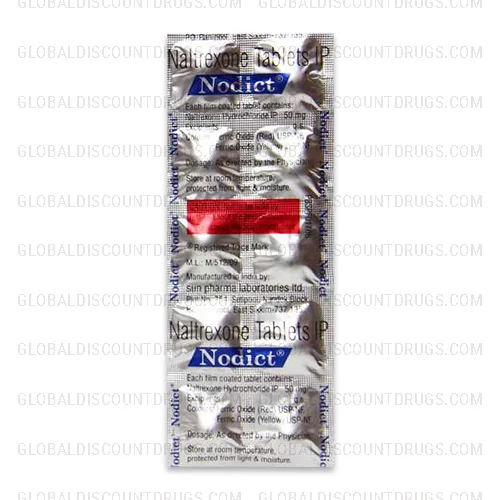
Naltrexone 50mg
In StockNaltrexone 50 mg Tablet is a prescription opioid receptor antagonist used with counseling and other support for alcohol dependence or opioid dependence. Patients must be opioid-free before treatment to avoid sudden withdrawal.
| Active Ingredient: | Naltrexone |
|---|---|
| Indication: | Alcohol Dependence |
| Strength: | 50mg |
| Dosage Form: | Tablets |
| Manufacturer: | Sun Pharma |

Naltrexone 50mg – Quick Overview
Naltrexone 50mg is a prescription opioid antagonist used to help adults reduce drinking in alcohol dependence and to block opioid effects after detox from opioids. It works by blocking opioid receptors in the brain. It should be taken only under medical supervision, alongside counseling, and not by anyone currently using opioids.
Medical Supervision & Regulatory Status
Naltrexone is a prescription-only medicine in the United States and is not a controlled substance. The FDA approved it as ReVia, and generic naltrexone tablets are widely available. Supervision is required because it can trigger sudden withdrawal in people using opioids, and your doctor must confirm you are opioid-free before you start.
Clinical Context
Naltrexone is used for two conditions: alcohol dependence, and opioid dependence after a person has stopped using opioids. It is meant to be part of a treatment plan that includes counseling or other support.
Treatment is needed because alcohol and opioid dependence can cause serious harm, including liver damage, accidents, overdose, and death. Cravings and relapse are common, so medicine can help people stay on track with recovery goals.
Naltrexone is one of several medicines for these conditions. For alcohol use, acamprosate and others are alternatives. For opioid use, buprenorphine and methadone are also options, but they work differently and are opioids themselves, while naltrexone is not. Your doctor helps choose the approach that fits your situation.
How Naltrexone 50mg Works
Naltrexone belongs to the opioid antagonist class. It does not cure addiction. It helps reduce the rewarding effects of opioids and may lessen the pleasure and cravings linked to drinking.
In simple terms, naltrexone attaches to opioid receptors in the brain and blocks them. When opioids such as heroin, morphine, or oxycodone reach those receptors, they cannot produce their usual effects. Blocking these receptors also appears to reduce the “reward” from alcohol.
For patients, this can mean fewer heavy drinking days and less benefit from using opioids, which supports recovery. Because it does not produce a high and is not addictive, naltrexone has no street value, but it only works while it is taken as prescribed.
What Is Naltrexone 50mg?
Naltrexone 50mg is an oral tablet containing 50 mg of naltrexone hydrochloride, a prescription opioid antagonist usually taken once daily at a schedule set by your doctor.
- Drug class: Opioid antagonist
- Active ingredient: Naltrexone hydrochloride 50 mg
- Mechanism: Competitively blocks opioid receptors in the brain, reducing opioid effects and alcohol reward.
- Form: Oral film-coated tablet
- Dosing frequency: Usually once daily, as prescribed
- Regulatory status: Prescription-only; FDA-approved (brand ReVia and generics); not a controlled substance
Uses / Indications
Naltrexone tablets are FDA-approved for the following uses:
- Alcohol dependence: helping adults reduce heavy drinking and maintain progress alongside counseling.
- Opioid dependence: blocking the effects of opioids in people who have completed detox and are opioid-free.
Naltrexone does not treat withdrawal symptoms, and it should not be started until your doctor confirms you are free of opioids.
How to Use / Dosage
Take naltrexone exactly as prescribed. For alcohol dependence, the usual dose is 50 mg once daily. For opioid dependence, your doctor first confirms you are opioid-free, sometimes with a naloxone challenge test, and may start with a lower dose before moving to the usual 50 mg a day or another schedule. Your doctor decides the right dose and length of treatment.
Timing: Take it at the same time each day, with food or milk if it upsets your stomach. Taking it daily is important for steady protection.
Missed dose: Take it as soon as you remember. If it is almost time for your next dose, skip the missed one. Never take two doses at once to catch up.
Stopping: Naltrexone is not physically addictive, but stopping can raise the risk of relapse, and after stopping you may be more sensitive to opioids and at higher risk of overdose. Talk to your doctor before stopping.
Side Effects
Many people take naltrexone without serious problems, and most side effects are mild and ease over time.
Common effects include nausea, headache, dizziness, tiredness, trouble sleeping, anxiety or nervousness, stomach pain, vomiting, decreased appetite, and joint or muscle pain.
Serious effects include liver injury (more likely at very high doses or with existing liver disease), sudden withdrawal in people who still have opioids in their system, worsening depression or suicidal thoughts in some people, allergic reactions, and, rarely, a lung condition called eosinophilic pneumonia. Trying to overcome naltrexone’s blockade with large amounts of opioids can cause overdose, coma, or death.
Emergency warning signs. Get medical help immediately if you notice:
- Severe nausea, vomiting, sweating, or other signs of sudden opioid withdrawal
- Yellowing of the skin or eyes, dark urine, or severe stomach pain (possible liver problems)
- Swelling of the face, lips, or throat, or trouble breathing
- New or worsening depression, or thoughts of harming yourself
- Cough, wheezing, or shortness of breath that is new or worsening
- Very slow breathing, extreme sleepiness, or inability to wake after using opioids (possible overdose)
If you or someone you know is in crisis, call or text 988 (Suicide & Crisis Lifeline) in the US.
Warnings & Precautions
Naltrexone must not be used in people who are currently taking opioid pain medicines or who are physically dependent on opioids, including those in acute opioid withdrawal. It is also contraindicated in people who fail a naloxone challenge test or have opioids in their urine, and in anyone with a known hypersensitivity to naltrexone or any ingredient in the tablet.
Opioid medicines and overdose risk: Naltrexone blocks the effect of opioid pain relievers, cough and cold medicines containing opioids (such as codeine), and opioid-based anti-diarrheals. Doctors usually need to wait 7 to 10 days after your last opioid before starting naltrexone. After stopping naltrexone, your tolerance to opioids is lower, so using the same amount as before can cause a fatal overdose. Carry a wallet card or medical ID saying you take naltrexone so emergency teams know opioids may not work for pain.
Liver: Naltrexone can cause liver injury, especially at high doses. Your doctor may check liver tests before and during treatment, and you should stop and call your doctor if you notice signs of liver problems.
Interactions: Tell your doctor if you take opioid medicines, including methadone, buprenorphine, tramadol, codeine, or oxycodone, which should not be combined with naltrexone. Thioridazine taken with naltrexone may cause extreme sleepiness, and your doctor should review any use of disulfiram because both can affect the liver. Always tell your doctor and pharmacist about everything you take.
Pregnancy and breastfeeding: There are no adequate studies in pregnant women, so naltrexone should be used during pregnancy only if the benefit outweighs the risk. It is not known whether naltrexone passes into breast milk, so discuss breastfeeding with your doctor.
Special populations: People with liver or kidney problems, depression, or a history of suicidal thoughts need closer monitoring. Safety and effectiveness in children have not been established.
Who Should Not Use This Medication
- People currently using opioids or physically dependent on opioids
- Anyone taking opioid pain medicines, including methadone or buprenorphine
- People in acute opioid withdrawal
- Anyone who has not completed the opioid-free waiting period set by their doctor
- People who fail a naloxone challenge test or have opioids in their urine
- Anyone allergic to naltrexone or any ingredient in the tablet
- People with acute hepatitis or liver failure, unless their doctor decides otherwise
Storage Instructions
Store naltrexone tablets in the original container at room temperature, 68°F to 77°F (20°C to 25°C). Keep the container tightly closed and protect tablets from moisture and light. Keep out of reach of children and pets. Do not use after the expiration date, and ask your pharmacist about safe disposal of unused tablets.
Frequently Asked Questions
What is the cost of Naltrexone 50mg without insurance?
The cost without insurance depends on the seller, brand availability, and pack size. It may also vary by location and available discounts. Generic naltrexone is generally more affordable than brand-name ReVia. Compare licensed pharmacies and ask your doctor or pharmacist about lower-cost options, especially for long-term treatment.
How can I order Naltrexone 50mg online?
You need a valid prescription to order it. Upload your prescription or ask your doctor to send it, then order from a licensed pharmacy that offers home delivery. Always use verified pharmacies that require a prescription. Avoid websites that sell it without one, since counterfeit or incorrect products can be dangerous.
Is Naltrexone 50mg available over the counter?
No, it is not available over the counter in the US or in most countries. Regulations vary by region, but it is generally restricted to prescription use. It needs medical supervision because it can cause sudden withdrawal in people using opioids and can affect the liver. Never buy or use it without a prescription.
Does Naltrexone 50mg require a prescription?
Yes, a prescription is required. A doctor must confirm you are opioid-free, review your liver health, mental health, and current medicines, and set the right schedule. Follow-up visits help keep treatment safe. This evaluation protects you from withdrawal, liver problems, and overdose.
How long does Naltrexone 50mg take to work?
Naltrexone begins blocking opioid receptors within about an hour of a dose. Its effect on drinking usually builds over days to weeks and works best with counseling and regular use. Do not change your dose on your own, and do not expect it to work if you skip doses.
Is it safe to stop Naltrexone 50mg suddenly?
It is not physically dangerous to stop, but talk to your doctor first. Stopping can increase the risk of relapse. If you return to opioids afterward, lower tolerance raises the risk of fatal overdose. Your doctor can plan next steps and support so you stay safe.
Does Naltrexone 50mg interact with other medicines?
Yes, it interacts with several drugs, which is a major safety concern. Opioid medicines, including methadone, buprenorphine, tramadol, and codeine, should not be combined with it, and it may block opioid cough and diarrhea medicines. Thioridazine and disulfiram also need review. Always tell your doctor and pharmacist about everything you take.
What should I do if I miss a dose of Naltrexone 50mg?
Take the missed dose as soon as you remember. If it is almost time for your next dose, skip the missed one and continue your usual schedule. Never take two doses at once to catch up. If you miss several doses, contact your doctor, as opioid tolerance may be lower.
References:
- MedlinePlus (NIH), Naltrexone: https://medlineplus.gov/druginfo/meds/a685041.html
- DrugBank (NIH-linked drug database), Naltrexone: https://go.drugbank.com/drugs/DB00704
- PubChem (NIH/National Library of Medicine), Naltrexone: https://pubchem.ncbi.nlm.nih.gov/compound/Naltrexone
Medical Disclaimer:
This content is for informational purposes only and does not constitute medical advice, diagnosis, or treatment. Consult a qualified specialist or physician before using Naltrexone 50mg.
Prescription Required (Rx) to Buy?
This medication is not available over the counter. A valid prescription from a licensed healthcare
professional is required. Always consult your doctor before use.
| Quantity | 120, 30, 60, 90 |
|---|---|
| Indication | Alcohol Dependence |
| Active Ingredient | Naltrexone |
| Pharmaceutical Form | Tablets |
| Manufacturer | Sun Pharma |
| Indian Brand | Nodict 50mg |
| US Brand Name | Nalorex, Naltrexone, Opizone, Revia |
| Generic Name | Naltrexone |
| Dosage | 50mg |
| Drug Type | Tablets |
What is naltrexone 50 mg used for
Is naltrexone 50 mg used for weight loss
How long does 50mg of naltrexone last
How naltrexone works
How long does naltrexone stay in your system
How does naltrexone work for alcohol