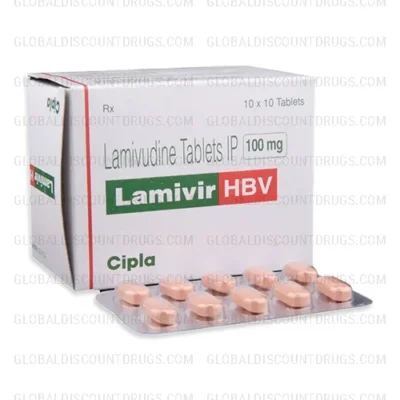
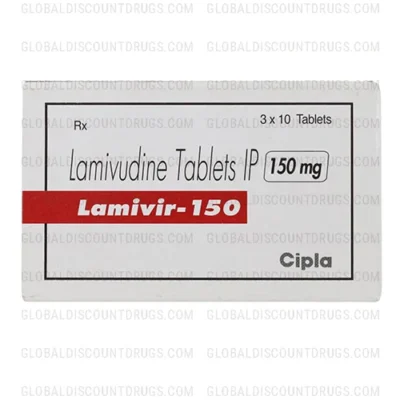
Lamivudine
In StockLamivudine is a nucleoside reverse transcriptase inhibitor (NRTI) used as a foundational component in the treatment of HIV−1 and chronic Hepatitis B (HBV) infection. It works by being converted into its active form, which then inhibits the viral reverse transcriptase enzyme, halting DNA chain elongation. This API is highly effective, well-tolerated, and typically used in combination with other antiretrovirals. Lamivudine is a backbone of HAART therapy.

What is Lamivudine?
Lamivudine is an antiviral medication belonging to a class of drugs called nucleoside reverse transcriptase inhibitors (NRTIs). It is used to help manage two different viral infections, and its use depends on the specific condition being treated and the strength prescribed.
Common approved uses include:
- Treatment of HIV-1 infection, used in combination with other antiretroviral medications
- Treatment of chronic hepatitis B virus (HBV) infection in patients with evidence of active liver disease (at a different, lower dose than used for HIV)
Available formulations and strengths:
- Oral tablets
- Oral solution/liquid formulation
It is important to note that the dose used for hepatitis B is different from the dose used for HIV, and the two are not interchangeable without specialist guidance.
This medication does not cure HIV or hepatitis B. It helps control viral replication and reduce liver or immune damage when taken consistently as directed.
What is the Recommended Dosage of Lamivudine?
Dosage varies significantly based on:
- Condition being treated (HIV requires a different dose than hepatitis B)
- Age, since pediatric dosing differs from adult dosing
- Body weight, particularly in children
- Kidney function, as reduced kidney function often requires dose adjustments
Available dosage forms: Oral tablets and oral solution, generally taken once or twice daily depending on the condition and regimen.
Because the correct dose depends heavily on the specific condition, kidney function, and other individual factors, patients should never adjust their dose on their own. Always follow the exact dosing schedule provided by a licensed medical specialist.
How Lamivudine Works
Lamivudine interferes with an enzyme called reverse transcriptase, which certain viruses (including HIV and hepatitis B) rely on to replicate their genetic material inside human cells.
- In HIV, lamivudine acts as a faulty building block that gets incorporated into the virus’s genetic code, halting the virus’s ability to multiply.
- In hepatitis B, it works through a similar mechanism to reduce the amount of virus in the blood and help decrease liver inflammation and damage over time.
By slowing viral replication, lamivudine helps the immune system manage the infection more effectively. It manages these conditions long-term but does not eliminate the virus from the body entirely.
Is a Prescription Required to Buy Lamivudine Online?
Yes. Lamivudine is a prescription-only medication and should never be purchased or used without medical supervision.
Patients should consult with:
- An infectious disease specialist or HIV care provider (for HIV treatment)
- A hepatologist or gastroenterologist specializing in liver disease (for hepatitis B treatment)
Important safety notes:
- Only obtain this medication from a licensed pharmacy that requires a valid prescription
- Avoid unregulated online sellers, as counterfeit antiviral products pose serious health risks
- Never use veterinary or non-human formulations of any medication
- Do not use HIV-strength lamivudine products for hepatitis B treatment or vice versa without specialist confirmation
Side Effects of Lamivudine
Common Side Effects
- Headache
- Nausea
- Fatigue
- Diarrhea
- Muscle aches or discomfort
- Difficulty sleeping
- Nasal or respiratory symptoms (cold-like symptoms)
Serious Side Effects
- Symptoms of lactic acidosis (rapid breathing, unusual muscle pain, stomach pain, feeling very cold, dizziness or lightheadedness)
- Signs of liver problems, including worsening of hepatitis B after stopping the medication (yellowing of skin or eyes, dark urine, severe fatigue, abdominal pain)
- Signs of pancreatitis, particularly in pediatric patients (severe abdominal pain, persistent vomiting)
- Signs of a severe allergic reaction (facial or throat swelling, difficulty breathing, widespread rash)
Patients experiencing any serious symptoms should seek immediate medical attention. Patients with hepatitis B should never stop this medication abruptly, as doing so can cause a serious flare-up of liver disease; any changes must be supervised by a specialist.
Drug Interactions
Certain medications and substances can interact with lamivudine, affecting how well it works or increasing the risk of side effects. Categories that may interact include:
- Other medications containing lamivudine or similar antiviral ingredients (to avoid duplicate dosing)
- Certain antibiotics, particularly those affecting kidney function
- Medications that affect kidney elimination pathways
- Over-the-counter pain relievers, particularly those affecting the kidneys
- Herbal supplements and vitamins, including certain immune-support products
Patients should provide their licensed medical specialist with a complete and current list of all prescription medications, over-the-counter drugs, vitamins, and herbal supplements before starting treatment.
Safety & Important Considerations
- Liver disease precautions: Patients with hepatitis B require close monitoring, both during treatment and after stopping, due to the risk of disease flare-up.
- Kidney disease precautions: Dose adjustments are often necessary for patients with reduced kidney function.
- Pregnancy and breastfeeding: Patients who are pregnant, planning pregnancy, or breastfeeding should discuss individual risks and benefits with their specialist.
- Age-related considerations: Dosing differs for pediatric patients and may require adjustment in elderly patients with reduced organ function.
- Monitoring requirements: Regular blood tests are typically needed to monitor liver function, kidney function, and viral levels throughout treatment.
- FDA safety warnings: This medication carries warnings regarding lactic acidosis, liver problems, and the risk of hepatitis B flare-ups after discontinuation; patients should be counseled on these risks before starting treatment.
Who This Medication Is For
This medication is generally prescribed for individuals diagnosed with HIV-1 infection requiring combination antiretroviral therapy, or individuals with chronic hepatitis B who have evidence of active liver disease. Treatment is individualized based on the specific diagnosis, disease severity, and overall health, as determined by the appropriate specialist.
Who Should Not Take Lamivudine
This medication may not be appropriate for individuals who:
- Have a known hypersensitivity to lamivudine or related components
- Have significant kidney impairment without appropriate dose adjustment
- Are being treated for hepatitis B and also have undiagnosed or untreated HIV infection, since using the hepatitis B dose alone in a patient with HIV can lead to HIV drug resistance
A full medical history review, including HIV status when relevant, is necessary before starting treatment to identify any contraindications or precautions.
What to Do If You Miss a Dose
If a dose is missed, take it as soon as remembered unless it is close to the time of the next scheduled dose. In that case, skip the missed dose and continue with the regular dosing schedule.
Do not double the dose to make up for a missed one. For patients being treated for hepatitis B, consistent dosing is especially important, and missed doses or stopping treatment without medical guidance can lead to serious liver complications. Contact a licensed medical specialist if unsure how to proceed.
Related medications to Lamivudine
Lamivudine is an NRTI used as a component of antiviral treatment regimens. Related pages include Lamivudine-Zidovudine, Lamivudine-Tenofovir Disoproxil Fumarate, and Lamivudine-Zidovudine-Nevirapine.
Storage Instructions
- Store at room temperature, away from excessive heat or cold
- Keep in the original container, protected from moisture and light
- If using the oral solution, do not freeze
- Keep out of reach of children and pets
- Do not use expired medication
Disclaimer
This page is for educational purposes only. It is not a substitute for professional medical advice, diagnosis, or treatment. Patients must consult a licensed infectious disease specialist, hepatologist, or qualified healthcare provider before starting, changing, or stopping this medication. Treatment decisions must be based on a full clinical evaluation by a qualified specialist.
Prescription Required (Rx) to Buy?
This medication is not available over the counter. A valid prescription from a licensed healthcare
professional is required. Always consult your doctor before use.