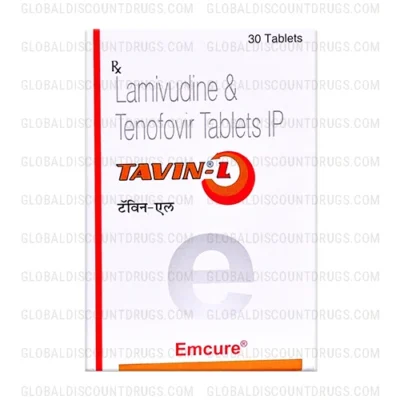
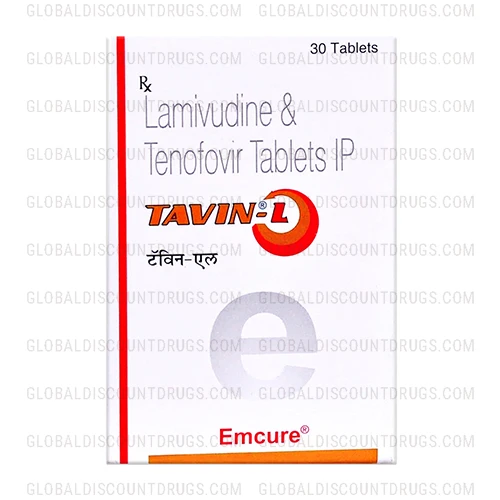
Lamivudin-Tenofovir disoproxil fumarate
In StockLamivudine-Tenofovir disoproxil fumarate is a fixed-dose combination of two nucleoside/nucleotide reverse transcriptase inhibitors (NRTIs/NtRTIs) central to treating Human Immunodeficiency Virus (HIV) and chronic Hepatitis B Virus (HBV). Tenofovir and Lamivudine both block the viruses from replicating their genetic material. This combination is highly effective, well-tolerated, and serves as a backbone therapy in modern antiretroviral regimens due to its potent, once-daily dosing.

What is Lamivudine-Tenofovir Disoproxil Fumarate?
Lamivudine-tenofovir disoproxil fumarate is a combination prescription medication that pairs two antiviral agents in a single tablet. Both belong to the nucleoside/nucleotide reverse transcriptase inhibitor (NRTI) drug class, a group of medications that interfere with viral replication.
Approved and commonly prescribed uses include:
- Treatment of HIV-1 infection, used as part of a broader antiretroviral therapy (ART) regimen in combination with other HIV medications
- Pre-exposure prophylaxis (PrEP) to help reduce the risk of acquiring HIV in certain high-risk individuals, when prescribed and monitored by a specialist
- In some regions, related tenofovir-containing products are also used for chronic hepatitis B management, though this specific combination is primarily indicated for HIV care; a specialist can clarify which use applies to a given prescription
Available formulations and strengths generally include:
- Oral tablets, available in a standard combined-dose strength (commonly lamivudine 300mg with tenofovir disoproxil fumarate 300 mg)
This combination is typically available only as an oral tablet, taken once daily as directed. A licensed medical specialist or pharmacist can confirm which formulation and strength is appropriate for an individual patient.
What is the Recommended Dosage of Lamivudine-Tenofovir Disoproxil Fumarate?
There is no single dose appropriate for every patient. Dosage depends on several individual factors, including:
- The condition being treated (HIV treatment versus prevention)
- Age, as this medication is generally intended for adults and adolescents above a certain body weight
- Body weight, particularly relevant for adolescent patients
- Kidney function, since tenofovir is processed through the kidneys and dosing intervals may need adjustment
- Other medications in the antiretroviral regimen
Available dosage forms are limited to oral tablets in a fixed combined strength.
Because dosing must be individualized and is closely tied to kidney function and the overall treatment regimen, this page does not provide specific dosing numbers. Patients should always take the exact dose prescribed by their treating specialist and should never adjust their dose without medical guidance.
How Lamivudine-Tenofovir Disoproxil Fumarate Works
This combination medication works by interfering with a key step the virus needs to multiply:
- Lamivudine and tenofovir disoproxil fumarate both act as reverse transcriptase inhibitors, meaning they block an enzyme the virus relies on to copy its genetic material within infected cells.
- By interrupting this process, the combination helps reduce the amount of virus in the body (viral load) and helps protect the immune system.
Lamivudine-tenofovir disoproxil fumarate manages HIV infection as part of a combination regimen; it does not cure HIV. It must be used consistently and as prescribed, typically alongside other antiretroviral medications, to remain effective and to reduce the risk of viral resistance.
Is a Prescription Required to Buy Lamivudine-Tenofovir Disoproxil Fumarate Online?
This medication is a prescription-only medication in virtually all regions and should never be purchased or used without a valid prescription from a licensed healthcare provider.
Before starting this medication, patients should consult an appropriate licensed medical specialist, such as:
- An infectious disease specialist, for HIV treatment or prevention planning
- An HIV/AIDS care specialist or clinic, for ongoing monitoring and regimen management
- A primary care physician, for initial evaluation and referral
Important safety notes:
- Never purchase this medication from unlicensed online sellers, as counterfeit medications may be ineffective or unsafe, which is especially dangerous for a condition requiring consistent viral suppression.
- Only obtain this medication from licensed pharmacies, using a valid prescription from a qualified healthcare provider.
- Consistent, uninterrupted use is essential; stopping and restarting treatment without medical guidance can affect treatment effectiveness and increase the risk of resistance.
Side Effects of Lamivudine-Tenofovir Disoproxil Fumarate
Common Side Effects
These are typically mild and may lessen over time:
- Headache
- Nausea or upset stomach
- Diarrhea
- Fatigue
- Trouble sleeping or unusual dreams
- Dizziness
Serious Side Effects
Although uncommon, some effects require prompt medical attention:
- Signs of kidney problems, such as decreased urination, swelling, or unusual fatigue
- Signs of a rare but serious condition called lactic acidosis, such as unusual muscle pain, difficulty breathing, stomach pain with nausea and vomiting, or feeling unusually cold
- Signs of liver problems, such as yellowing of the skin or eyes, dark urine, or persistent nausea
- Bone-related changes, such as new or worsening bone pain, with long-term use
- Signs of an allergic reaction, such as facial swelling, difficulty breathing, or widespread rash
- Worsening of hepatitis B symptoms if this medication is stopped, in patients who also have hepatitis B co-infection
Seek immediate medical attention if any serious symptoms occur. This is not a complete list of possible side effects; a full list can be reviewed with a pharmacist or prescribing specialist.
Drug Interactions
This combination medication has several important interaction categories:
- Other tenofovir-containing or similar antiviral products, which should not be combined due to overlapping ingredients and increased risk of side effects
- Certain other HIV medications, which must be carefully selected by a specialist to build an effective and compatible regimen
- Nephrotoxic medications, including certain antibiotics and other drugs that can affect kidney function, which may increase the risk of kidney-related side effects
- Over-the-counter pain relievers, particularly NSAIDs, which may affect kidney function when combined with tenofovir
- Certain hepatitis medications, given overlapping activity against hepatitis B in co-infected patients
- Supplements and herbal products, such as St. John’s Wort, which may reduce the effectiveness of antiretroviral therapy
Patients should give their prescribing specialist and pharmacist a complete list of all prescription medications, OTC drugs, vitamins, and herbal or dietary supplements they are taking before starting this medication.
Safety & Important Considerations
- Kidney disease: This medication requires caution and dose adjustment in patients with reduced kidney function; regular kidney function monitoring is a standard part of care.
- Liver disease: Patients with liver impairment, including those with hepatitis B co-infection, require close monitoring, as stopping this medication can lead to a flare of hepatitis B symptoms.
- Pregnancy and breastfeeding: Use during pregnancy or while breastfeeding should be guided by a specialist, who can weigh the benefits of maintaining viral suppression against any potential risks.
- Age-related considerations: This medication is generally studied and approved for adults and certain adolescent age groups; pediatric use in younger children may involve different formulations or regimens.
- Monitoring requirements: Regular blood tests to monitor viral load, immune status (such as CD4 count), kidney function, and bone health are standard parts of ongoing HIV care.
- FDA safety information: Regulatory labeling includes warnings regarding lactic acidosis, severe liver problems, and the risk of hepatitis B flare-ups upon treatment discontinuation in co-infected patients.
This medication should be used strictly according to its approved indications and as part of a specialist-directed treatment plan. Any consideration of off-label use should be discussed directly with a licensed specialist.
Who This Medication Is For
Lamivudine-tenofovir disoproxil fumarate is generally prescribed for patients who have been diagnosed with:
- HIV-1 infection, as part of a combination antiretroviral treatment regimen
- A clinical need for HIV pre-exposure prophylaxis (PrEP), as determined by a specialist evaluating individual risk factors
It is intended for use within an appropriate clinical context, following an evaluation by a licensed specialist who has reviewed the patient’s HIV status, kidney function, and full medical history.
Who Should Not Take Lamivudine-Tenofovir Disoproxil Fumarate
This medication may not be appropriate for individuals who have:
- A known allergy to lamivudine, tenofovir disoproxil fumarate, or related components
- Severe kidney impairment, without specialist-guided adjustment
- Current use of other medications containing lamivudine or tenofovir, due to overlapping ingredients
- Unconfirmed HIV status when being considered for prevention (PrEP) use, since a confirmed negative HIV test is required before starting PrEP
Important precautions also apply to patients with hepatitis B co-infection, who require close monitoring if this medication is ever stopped, and to patients with pre-existing bone density concerns.
This is not a complete list of contraindications. A licensed specialist should review a patient’s full medical history and relevant lab testing before prescribing this medication.
What to Do If You Miss a Dose
- Take the missed dose as soon as it is remembered, unless it is close to the time of the next scheduled dose.
- If it is nearly time for the next dose, skip the missed dose and resume the regular schedule.
- Do not double the dose to make up for a missed one.
- Because consistent daily dosing is especially important for maintaining viral suppression, contact the prescribing specialist promptly if doses are missed frequently or if there is uncertainty about what to do.
Related medications to Lamivudine-Tenofovir Disoproxil Fumarate
A specialist may consider other medications with a similar therapeutic purpose depending on individual patient needs, resistance patterns, and kidney or bone health. The closest relevant alternatives include:
- Emtricitabine-Tenofovir Disoproxil Fumarate – a combination pairing tenofovir with a closely related NRTI, emtricitabine, commonly used for HIV treatment and PrEP
- Emtricitabine-Tenofovir Alafenamide – a combination using a newer tenofovir formulation associated with different kidney and bone safety considerations
- Abacavir-Lamivudine – a combination pairing lamivudine with a different NRTI, abacavir, sometimes used as an alternative for patients who cannot use tenofovir
- Lamivudine-Zidovudine – an older combination pairing lamivudine with zidovudine, another NRTI
- Individual components used separately – lamivudine and tenofovir disoproxil fumarate prescribed as separate tablets, which may allow more flexible regimen adjustments alongside other antiretroviral agents
These are general category examples, not personalized recommendations. Any change in treatment, including switching to an alternative medication, should be made only in consultation with a licensed infectious disease specialist based on individual health needs, kidney function, resistance testing, and overall regimen compatibility.
Storage Instructions
- Store at room temperature, generally away from excessive heat.
- Keep the medication in its original container, protected from moisture and direct light.
- Do not store in a bathroom or other humid environment.
- Keep out of reach of children and pets, ideally in a secured location.
- Dispose of any unused or expired medication according to local guidelines or pharmacist instructions, rather than discarding it in household trash or flushing it, unless specifically directed to do so.
Disclaimer:
This page is for educational purposes only. It is not a substitute for professional medical advice, diagnosis, or treatment. Patients must consult a licensed infectious disease specialist or other relevant medical specialist before starting, changing, or stopping treatment with lamivudine-tenofovir disoproxil fumarate. Treatment decisions must be based on a full clinical evaluation by a qualified specialist who is familiar with the patient’s individual health history, kidney function, and current medications.
Prescription Required (Rx) to Buy?
This medication is not available over the counter. A valid prescription from a licensed healthcare
professional is required. Always consult your doctor before use.