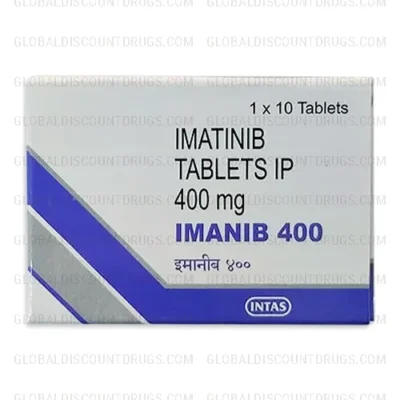
Imatinib Mesylate
In StockImatinib is a groundbreaking tyrosine kinase inhibitor used as a targeted therapy to treat certain cancers, most famously Chronic Myelogenous Leukemia (CML). It works by selectively blocking the abnormal protein (BCR-ABL) created by the Philadelphia chromosome, which is responsible for driving the growth of CML cells. This mechanism has revolutionized the prognosis for CML patients.

What is Imatinib Mesylate?
Imatinib mesylate is a prescription medication that belongs to a class of drugs called tyrosine kinase inhibitors (TKIs). It works by targeting specific abnormal proteins in the body that drive the growth of certain cancer cells and other conditions.
Imatinib mesylate is approved for a number of conditions, including certain forms of:
- Chronic myeloid leukemia (CML)
- Philadelphia chromosome-positive acute lymphoblastic leukemia (Ph+ ALL)
- Gastrointestinal stromal tumors (GIST)
- Certain myelodysplastic/myeloproliferative diseases
- Systemic mastocytosis (specific subtypes)
- Hypereosinophilic syndrome and chronic eosinophilic leukemia (specific subtypes)
- Dermatofibrosarcoma protuberans (a type of skin tumor)
Available formulations: Imatinib mesylate is most commonly available as an oral tablet, typically in two strengths. It is taken by mouth and is not available as a topical, injectable, or liquid product in standard practice. Patients should confirm the exact strength and formulation prescribed with their treating specialist and pharmacist.
What is the Recommended Dosage of Imatinib Mesylate?
Dosage of imatinib mesylate is highly individualized and depends on several factors, including:
- The specific condition being treated
- The patient’s age (pediatric vs. adult dosing differs)
- Body weight, particularly in children
- Liver function, since the medication is processed by the liver
- Response to treatment and any side effects experienced
- Whether the medication is being used alone or with other therapies
Because dosing varies significantly based on diagnosis and individual patient factors, this page does not provide specific dosing numbers. Only a licensed hematologist, oncologist, or other qualified specialist can determine the correct dose, schedule, and duration of therapy for a given patient. Never adjust the dose without medical guidance.
How Imatinib Mesylate Works
Imatinib mesylate works by blocking the activity of specific enzymes called tyrosine kinases, including one known as BCR-ABL, which is produced by an abnormal gene found in many cases of chronic myeloid leukemia. By blocking this enzyme, imatinib interferes with the signals that tell certain abnormal cells to grow and multiply.
In gastrointestinal stromal tumors and some other conditions, imatinib targets different but related kinase proteins (such as KIT) that drive abnormal cell growth.
Imatinib mesylate manages these conditions by controlling the growth of abnormal cells; it is not described as a cure for most of the conditions it treats. Many patients require long-term, ongoing therapy, and treatment plans are determined individually by the prescribing specialist.
Is a Prescription Required to Buy Imatinib Mesylate Online?
Yes. Imatinib mesylate is a prescription-only medication and cannot be legally purchased without a valid prescription from a licensed healthcare provider.
Given the seriousness of the conditions it treats, imatinib should only be prescribed and monitored by a qualified specialist, such as a hematologist or oncologist, who can evaluate the diagnosis, monitor blood counts and organ function, and adjust treatment as needed.
Patients should be cautious of:
- Websites offering imatinib without a prescription
- Unusually low prices that may indicate counterfeit or substandard products
- Products marketed for veterinary or non-human use
- Sellers that are not licensed pharmacies
Imatinib mesylate should only be obtained from a licensed pharmacy, using a valid prescription, to ensure the product is safe, authentic, and appropriately dosed.
Side Effects of Imatinib Mesylate
Common Side Effects
These are generally mild and may improve over time, but should still be discussed with a healthcare provider:
- Nausea or vomiting
- Diarrhea
- Muscle cramps or musculoskeletal pain
- Fatigue
- Fluid retention (swelling, especially around the eyes or in the legs)
- Skin rash
- Headache
Serious Side Effects
Some side effects are less common but require prompt medical attention:
- Signs of liver problems (yellowing of the skin or eyes, dark urine, severe fatigue)
- Signs of low blood cell counts (unusual bruising or bleeding, frequent infections, severe fatigue)
- Severe fluid retention affecting the lungs or heart (shortness of breath, rapid weight gain, chest discomfort)
- Signs of a severe skin reaction (blistering, peeling skin, mouth sores)
- Signs of gastrointestinal bleeding (black or bloody stools, vomiting blood)
- Signs of an allergic reaction (swelling of the face, lips, or throat; difficulty breathing; severe rash)
Patients or caregivers should seek immediate medical attention if any of these serious symptoms occur. This list is not exhaustive, and any new or worsening symptoms should be reported to the prescribing specialist promptly.
Drug Interactions
Imatinib mesylate can interact with a range of other substances, which may affect how well it works or increase the risk of side effects. Categories of potential interactions include:
- Medications that affect liver enzymes responsible for metabolizing imatinib (including certain antibiotics, antifungal medications, and anti-seizure medications)
- Blood thinners (anticoagulants), where interactions may affect bleeding risk
- Over-the-counter medications, including certain pain relievers and antacids
- Herbal products and dietary supplements, such as St. John’s Wort, which can significantly reduce the effectiveness of imatinib
- Other medications that affect the heart, liver, or blood cell counts
Patients should provide their licensed medical specialist and pharmacist with a complete and current list of all prescription medications, over-the-counter drugs, vitamins, and herbal supplements before starting imatinib mesylate and throughout treatment.
Safety & Important Considerations
- Liver function: Imatinib is processed by the liver, and patients with existing liver disease may require dose adjustments and closer monitoring. Regular liver function tests are typically part of treatment monitoring.
- Kidney function: Patients with kidney impairment may also need individualized monitoring, as directed by their specialist.
- Pregnancy: Imatinib mesylate may cause harm to a developing fetus. Patients who are pregnant, planning to become pregnant, or breastfeeding should discuss the risks and benefits with their specialist before starting or continuing treatment.
- Children: Imatinib is used in certain pediatric conditions, but dosing and monitoring differ from adults and must be managed by a specialist experienced in pediatric oncology or hematology.
- Older adults: Elderly patients may be more sensitive to side effects and may require closer monitoring.
- Monitoring requirements: Regular blood tests (complete blood counts), liver function tests, and periodic evaluation of treatment response are typically required throughout therapy.
- FDA safety information: Imatinib mesylate carries labeling regarding risks such as fluid retention, cardiac effects, liver toxicity, and effects on growth in children. Patients should review the FDA-approved prescribing information with their specialist.
This medication should be used only for its approved indications, as determined by the prescribing specialist.
Who This Medication Is For
Imatinib mesylate is typically prescribed for patients who have been diagnosed with specific cancers or blood disorders driven by particular genetic or molecular abnormalities, such as the Philadelphia chromosome (in certain leukemias) or KIT/PDGFR mutations (in GIST and related conditions). It is used in both adult and pediatric populations for approved indications, based on diagnostic testing and specialist evaluation.
Who Should Not Take Imatinib Mesylate
Imatinib mesylate may not be appropriate for individuals who:
- Have a known hypersensitivity or allergic reaction to imatinib or its components
- Have significant, uncontrolled liver disease, unless specifically directed and closely monitored by a specialist
- Are pregnant or breastfeeding, without a thorough risk-benefit discussion with their specialist
- Have certain uncontrolled heart conditions that could be worsened by fluid retention
This is not a complete list of contraindications. A licensed specialist must review a patient’s full medical history before prescribing imatinib mesylate.
What to Do If You Miss a Dose
If a dose of imatinib mesylate is missed, patients should generally take it as soon as they remember on the same day. If it is close to the time of the next scheduled dose, the missed dose should typically be skipped rather than doubled.
Patients should never take two doses at once to make up for a missed dose. If there is any uncertainty about what to do after a missed dose, patients or caregivers should contact the prescribing specialist or pharmacist for guidance specific to their treatment plan.
Related medications to Imatinib Mesylate
Medicine List
CML alternatives:
- Dasatinib
- Nilotinib
- Bosutinib
- Asciminib
- Ponatinib
GIST alternatives:
- Sunitinib
- Regorafenib
- Ripretinib
- Avapritinib
Ph+ ALL alternatives:
- Dasatinib
- Ponatinib
- Nilotinib
Important Safety Note
Imatinib Mesylate is a cancer-targeted therapy. Alternatives should be selected only by an oncologist or hematologist after checking the diagnosis, mutation status, treatment response, blood counts, liver function, heart risk, and drug interactions. Do not switch or stop imatinib without medical guidance.
Storage Instructions
- Store at room temperature, generally between 68°F and 77°F (20°C to 25°C), unless otherwise directed on the label.
- Keep the medication in its original container, away from excess moisture and direct light.
- Do not store in a bathroom or other areas with high humidity.
- Keep out of reach of children and pets at all times, ideally in a locked or secured location.
- Do not use imatinib mesylate past its expiration date, and dispose of unused medication according to pharmacist or local guidelines rather than discarding it in household trash.
Disclaimer
This page is for educational purposes only. It is not a substitute for professional medical advice, diagnosis, or treatment. Patients must consult a licensed hematologist, oncologist, or other relevant medical specialist before starting, changing, or stopping treatment with imatinib mesylate. Treatment decisions must be based on a full clinical evaluation by a qualified specialist.
Prescription Required (Rx) to Buy?
This medication is not available over the counter. A valid prescription from a licensed healthcare
professional is required. Always consult your doctor before use.