Ginkgo Biloba
In StockGinkgo Biloba is a popular herbal supplement derived from the leaves of the Ginkgo tree. It is widely marketed for its potential to improve memory and cognitive function and is also used to treat symptoms of anxiety and poor blood circulation. Its mechanism involves improving blood flow, especially to the brain, and acting as an antioxidant.

What is Ginkgo Biloba?
Ginkgo biloba is a plant-derived dietary supplement made from the leaves of the ginkgo tree, one of the oldest living tree species. Unlike prescription medications, ginkgo biloba is classified in many countries, including the United States, as a dietary supplement rather than an approved drug. This means it is not subject to the same rigorous testing, manufacturing standards, or efficacy review as prescription medications.
Ginkgo biloba is commonly used or marketed for:
- Supporting memory and cognitive function
- General circulatory support
- Use alongside management of age-related cognitive changes
Important distinction: Ginkgo biloba is not approved by the FDA to treat, cure, or prevent any disease, including Alzheimer’s disease or other forms of dementia. Any claims suggesting otherwise are not supported by regulatory approval. Scientific research on its effectiveness has produced mixed and inconclusive results.
Available Formulations and Strengths
Ginkgo biloba is available in various over-the-counter forms, including:
- Capsules
- Tablets(Ginkgo Biloba 40mg)
- Liquid extracts or tinctures
- Dried leaf for tea preparation
Strengths and standardization vary significantly between manufacturers, as dietary supplements are not held to the same strict potency and purity standards as prescription drugs.
What is the Recommended Dosage of Ginkgo Biloba?
Because ginkgo biloba is a supplement rather than an FDA-approved medication, there is no officially established or regulated dosage. Reported use in research studies has varied widely, and product labeling differs between manufacturers.
Dosage considerations that may apply include:
- The reason for use (general wellness versus a specific health concern)
- Age
- Other medications or supplements being taken, due to potential interactions
- Underlying health conditions, such as bleeding disorders
Available Forms
- Capsules, tablets, liquid extracts, and dried leaf preparations
Important Guidance
- Because ginkgo biloba is not FDA-regulated in the same way as prescription drugs, product quality, purity, and labeled strength can vary between brands.
- Patients should discuss any planned use of ginkgo biloba with a licensed medical specialist, especially if they have existing health conditions or take other medications.
- This page does not provide specific dosing instructions, as there is no standardized, medically established dose.
How Ginkgo Biloba Works
Ginkgo biloba contains compounds, including flavonoids and terpenoids, that are thought to have antioxidant properties and may influence blood flow.
Proposed mechanisms include:
- Potential antioxidant effects that may help protect cells from oxidative stress
- Possible effects on blood circulation, including in small blood vessels
- Possible influence on certain neurotransmitter systems
It is important to understand that these mechanisms are based on preliminary and mixed scientific evidence. Clinical studies evaluating ginkgo biloba for cognitive conditions such as Alzheimer’s disease and dementia have produced inconsistent results, and major health authorities have not concluded that it is an effective treatment for these conditions. Ginkgo biloba does not treat or cure any diagnosed medical condition.
Is a Prescription Required to Buy Ginkgo Biloba Online?
No. Ginkgo biloba is generally sold over the counter as a dietary supplement and does not require a prescription in most jurisdictions.
However:
- Patients, particularly those with existing health conditions, taking other medications, or considering use for cognitive symptoms, should consult a licensed medical specialist (such as a neurologist, geriatrician, or primary care physician) before starting ginkgo biloba.
- Because dietary supplements are less strictly regulated, patients should be cautious of products with unverified purity, contamination, or inaccurate labeling.
- Patients should purchase supplements only from reputable, established retailers or pharmacies to reduce the risk of counterfeit or adulterated products.
Side Effects of Ginkgo Biloba
As with any supplement, ginkgo biloba can cause side effects. Not everyone experiences side effects, and their severity can vary from person to person.
Common Side Effects
These are generally mild and may include:
- Headache
- Upset stomach or nausea
- Dizziness
- Allergic skin reactions, such as itching or rash
Serious Side Effects
Although uncommon, some side effects can be more serious and require prompt medical attention:
- Increased bleeding risk, including bruising or prolonged bleeding from cuts
- Signs of internal bleeding, such as unusual bruising, blood in urine or stool, or severe headache (which may indicate bleeding in rare cases)
- Seizures, particularly in individuals with a seizure history or when combined with certain other substances
- Signs of a significant allergic reaction, such as swelling of the face, lips, or throat, or difficulty breathing
Patients should seek immediate medical attention if they experience signs of unusual bleeding, a severe allergic reaction, or seizures after taking ginkgo biloba.
This is not a complete list of possible side effects. Patients should discuss any concerns with their medical specialist.
Drug Interactions
Ginkgo biloba can interact with a range of substances, some of which may cause serious effects. Known interaction categories include:
- Blood-thinning medications, such as anticoagulants and antiplatelet drugs, due to increased bleeding risk
- Certain seizure medications, as ginkgo biloba may lower the seizure threshold in some individuals
- Certain diabetes medications, as it may affect blood sugar regulation
- Some antidepressant medications
Over-the-Counter Medications and Supplements
Ginkgo biloba may interact with other over-the-counter products, including pain relievers with blood-thinning properties (such as certain NSAIDs) and other herbal supplements that affect bleeding risk, such as garlic or ginger supplements.
Patients should provide their licensed medical specialist with a complete list of all prescription medications, over-the-counter products, vitamins, and herbal supplements they are currently taking before starting ginkgo biloba.
Safety & Important Considerations
- Liver or Kidney Disease: Patients with liver or kidney conditions should discuss supplement use with their specialist, as data on safety in these populations is limited.
- Pregnancy and Breastfeeding: The safety of ginkgo biloba during pregnancy and breastfeeding has not been well established, and it is generally not recommended without specialist guidance.
- Age-Related Considerations: Older adults, who may be more likely to take blood-thinning medications, should be especially cautious about bleeding-related interactions. Use in children is not well studied and generally not recommended without medical guidance.
- Bleeding Risk: Patients scheduled for surgery or dental procedures should inform their healthcare provider about ginkgo biloba use, as it may need to be stopped beforehand due to bleeding risk.
- Product Quality: Because supplements are not FDA-approved for safety and efficacy in the same way as drugs, product quality and standardization can vary. Patients should look for products that have been third-party tested when possible.
- Regulatory Status: The FDA has not evaluated ginkgo biloba for safety or effectiveness in treating any medical condition, consistent with its regulation as a dietary supplement rather than a drug.
This page does not include every possible warning. A full safety review should be conducted by a licensed medical specialist based on the patient’s individual health history.
Who This Medication Is For
Ginkgo biloba is used by a broad range of adults interested in general wellness or cognitive support. It is important to note:
- It is not an approved treatment for Alzheimer’s disease, dementia, or any other diagnosed medical condition.
- Individuals considering its use for cognitive symptoms should first undergo a proper medical evaluation, as unexplained memory or cognitive changes may indicate an underlying condition requiring diagnosis and treatment.
Who Should Not Take Ginkgo Biloba
Ginkgo biloba may not be appropriate for individuals who:
- Have a known allergy or hypersensitivity to ginkgo biloba or related plant products
- Have a bleeding disorder or are taking blood-thinning medications, without specialist guidance
- Have a history of seizures, without specialist guidance
- Are scheduled for upcoming surgery or a dental procedure, without first discussing timing with their provider
- Are pregnant or breastfeeding, without specialist guidance
This list is not exhaustive. Patients should consult a licensed medical specialist before use, particularly if they have underlying health conditions or take other medications.
What to Do If You Miss a Dose
Because ginkgo biloba is a supplement rather than a prescription medication with a fixed regimen:
- If a dose is missed, it can generally be resumed at the next planned time.
- Do not double the dose to make up for a missed one.
- If a patient is using ginkgo biloba as part of a specialist-guided plan and has questions about a missed dose, they should contact their healthcare provider or pharmacist.
Related medications to Ginkgo Biloba
Individuals interested in cognitive support or concerned about memory changes may wish to discuss the following with a specialist:
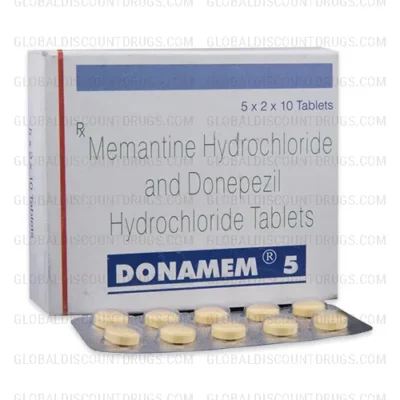
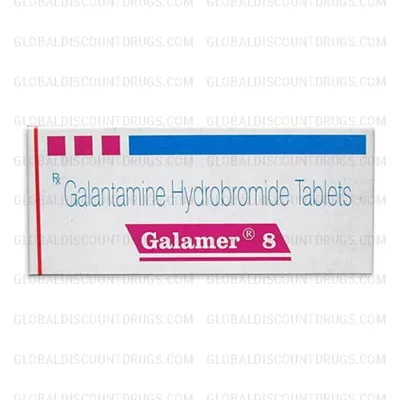
- FDA-approved medications for diagnosed cognitive conditions, such as cholinesterase inhibitors (donepezil, rivastigmine, galantamine) or memantine, for individuals with a formal diagnosis
- Lifestyle-based approaches, such as physical activity, cardiovascular health management, and cognitive engagement, which are more consistently supported by research
Any decision to use ginkgo biloba instead of, or alongside, other treatments should involve consultation with a licensed medical specialist, particularly for individuals with diagnosed cognitive conditions.
Storage Instructions
- Store ginkgo biloba products at room temperature, generally between 68°F and 77°F (20°C to 25°C), unless otherwise directed on the label.
- Keep the product in its original container, protected from excess moisture, heat, and light.
- Store in a location away from direct sunlight and humidity, such as away from bathrooms.
- Keep out of reach of children and pets, ideally in a locked or secured cabinet.
- Do not use product that is expired or improperly stored, and dispose of unused product according to local guidelines.
Disclaimer:
This page is for educational purposes only. It is not a substitute for professional medical advice, diagnosis, or treatment. Ginkgo biloba is a dietary supplement and has not been evaluated or approved by the FDA to diagnose, treat, cure, or prevent any disease. Patients must consult a licensed medical specialist (such as a neurologist, geriatrician, or primary care physician) before starting, changing, or stopping use of ginkgo biloba, particularly if they have an existing medical condition, take other medications, or are experiencing memory or cognitive symptoms that have not been medically evaluated. Treatment decisions must be based on a full clinical evaluation by a qualified specialist.
Prescription Required (Rx) to Buy?
This medication is not available over the counter. A valid prescription from a licensed healthcare
professional is required. Always consult your doctor before use.