
Enalapril-Hydrochlorothiazide 10mg-25mg
In StockEnalapril 10 mg–Hydrochlorothiazide 25 mg Tablet combines an ACE inhibitor with a thiazide diuretic to treat hypertension. Blood pressure, kidney function, potassium, sodium, and other electrolytes may require monitoring.
| Active Ingredient: | Enalapril-Hydrochlorothiazide |
|---|---|
| Indication: | Hypertension |
| Strength: | 10mg-25mg |
| Dosage Form: | Tablets |
| Manufacturer: | Intas Pharma |

Quick Overview
Enalapril-Hydrochlorothiazide 10mg-25mg is a prescription tablet that combines an ACE inhibitor with a thiazide diuretic to treat high blood pressure (hypertension). Enalapril relaxes blood vessels, and hydrochlorothiazide helps the kidneys remove extra salt and water. It is available only with a prescription, and a clinician must supervise it because it needs blood tests and carries a boxed pregnancy warning.
Medical Supervision and Regulatory Status
Enalapril-Hydrochlorothiazide 10mg-25mg is a prescription-only medicine in the United States, and a licensed prescriber must oversee it because it can affect potassium, sodium, kidney function, and blood pressure. Generic enalapril maleate and hydrochlorothiazide tablets are FDA-approved, with Vaseretic as the brand, and the drug is not a controlled substance. Blood tests for electrolytes and kidney function are usually done before treatment and at intervals your prescriber sets.
Clinical Context
Enalapril-Hydrochlorothiazide 10mg-25mg treats high blood pressure in adults who need two medicines, an ACE inhibitor and a thiazide diuretic, to reach their blood pressure goal. Hypertension often causes no symptoms, yet years of elevated pressure can damage the brain, heart, kidneys, and eyes. This combination tablet is generally not the first medicine tried. It fits people whose pressure is not controlled by a single drug, or occasionally people whose pressure is high enough that prompt control outweighs the risk of starting two drugs together.
Treatment matters because lowering blood pressure reduces the chance of stroke, heart attack, and kidney disease. Many people need more than one medicine to reach their target, and a single tablet that contains both can make a daily routine simpler. These are reductions in risk, not guarantees, and they depend on taking the medicine consistently.
US guidelines list both ACE inhibitors and thiazide-type diuretics among first-line options for hypertension, and they support combining drugs from different classes when pressure sits well above goal. The labeling advises finding the right amounts of each ingredient separately first, so this fixed-dose tablet usually comes after that step.
How Enalapril-Hydrochlorothiazide 10mg-25mg Works
Enalapril-Hydrochlorothiazide 10mg-25mg lowers blood pressure in two ways: enalapril relaxes blood vessels by blocking ACE, and hydrochlorothiazide helps the kidneys remove extra salt and water.
Enalapril is a prodrug, meaning the liver converts it to enalaprilat, the form that blocks angiotensin-converting enzyme (ACE). That reduces production of angiotensin II, a hormone that narrows blood vessels and prompts the body to hold on to salt and water. With less angiotensin II, vessels widen and pressure falls.
Hydrochlorothiazide is a thiazide diuretic, often called a water pill. It acts in the kidney to block salt reabsorption, so more sodium and water leave in the urine and the volume of fluid in the blood drops. The two drugs complement each other: the diuretic can raise the body’s angiotensin activity, which enalapril counters, and enalapril can offset some of the potassium the diuretic removes. Together they control blood pressure only while taken. They do not cure hypertension.
What Is Enalapril-Hydrochlorothiazide 10mg-25mg?
Enalapril-Hydrochlorothiazide 10mg-25mg is a fixed-dose tablet that contains 10 milligrams of enalapril maleate and 25 milligrams of hydrochlorothiazide, sold in the US as a prescription medicine.
- Drug Class: ACE inhibitor combined with a thiazide diuretic
- Active Ingredients: Enalapril maleate (10 mg) and hydrochlorothiazide (25 mg)
- Mechanism: Enalapril blocks ACE so blood vessels relax. Hydrochlorothiazide increases salt and water loss through the kidneys.
- Available Forms and Strengths: Oral tablets in 5 mg/12.5 mg and 10 mg/25 mg strengths (this page covers the 10 mg/25 mg tablet).
- Dosing Frequency: Usually once daily, as prescribed
- Regulatory Status: Prescription only (Rx). Not a controlled substance. Generic tablets and the brand Vaseretic are both marketed.
Approved Uses
The FDA has approved enalapril and hydrochlorothiazide together for one use, the treatment of high blood pressure, in patients for whom this combination is appropriate.
- High blood pressure (hypertension): Used in adults to lower blood pressure when a combination of an ACE inhibitor and a thiazide diuretic suits the patient. The labeling states it is not intended for starting treatment in most people, except when pressure is so high that prompt control outweighs the risk of beginning two drugs together. Safety and effectiveness in children have not been established.
How to Use and Dosage
Take Enalapril-Hydrochlorothiazide 10mg-25mg by mouth exactly as prescribed, because your prescriber sets the dose after checking your blood pressure, kidney function, electrolytes, and other medicines.
The label directs prescribers to find the right amount of each ingredient first, so this tablet is generally chosen after those amounts are known. Typical use is one tablet once daily. Many prescribers suggest taking it in the morning so that increased urination does not interrupt sleep. Swallow the tablet with water, with or without food, at about the same time each day.
For a missed dose, take it as soon as you remember. If your next dose is almost due, skip the missed one and return to your usual schedule. Never take two doses together.
This combination does not cause a classic withdrawal syndrome, but stopping it removes the protection it provides. Blood pressure may climb again and fluid may build up. Pregnancy and swelling of the face or throat are the exceptions that call for immediate action (see the warnings below).
Side Effects
Side effects from Enalapril-Hydrochlorothiazide 10mg-25mg vary from person to person; many are mild, but a few need prompt medical attention.
Boxed warning (fetal toxicity): Medicines that act directly on the renin-angiotensin system, including enalapril, can injure and even kill a developing baby. Treatment should be stopped as soon as pregnancy is detected.
Common effects: Dizziness, headache, tiredness, muscle cramps, weakness, and a dry, tickling cough that does not go away are among the most frequently reported effects. More frequent urination is expected from the diuretic. Dizziness is more likely when you stand up quickly or when you first start treatment or raise the dose.
Serious effects: Angioedema (swelling of the face, lips, tongue, or throat) can happen at any point in treatment, and the label notes it is reported more often in Black patients. Salt and mineral imbalances are possible, including low potassium, low sodium, low magnesium, and sometimes high potassium. Other serious effects include worsening kidney function, very low blood pressure with fainting, liver injury, a drop in white blood cells, gout flares, higher blood sugar, and a sudden eye problem called acute angle-closure glaucoma.
Emergency Warning Signs
- Swelling of the face, lips, tongue, or throat
- Trouble breathing, wheezing, or difficulty swallowing
- Fainting, or severe dizziness with a slow, fast, or irregular heartbeat
- Sudden eye pain or a quick decrease in vision
- Yellow skin or eyes with dark urine or severe upper belly pain
- Severe muscle weakness, confusion, or seizures (possible signs of a salt or mineral imbalance)
- Passing very little urine, or severe belly pain with vomiting
Call 911 for swelling, breathing trouble, fainting, or seizures. For the other signs, seek urgent care or call your prescriber the same day. If you may have taken too much, call poison control at 1-800-222-1222.
Warnings and Precautions
Enalapril-Hydrochlorothiazide 10mg-25mg is not for use during pregnancy, with anuria (no urine output), or after ACE inhibitor angioedema, and it requires regular checks of blood pressure, electrolytes, and kidney function.
Boxed warning: Exposure during the second and third trimesters can reduce fetal kidney function and lead to low amniotic fluid, lung and skull underdevelopment, and newborn death. Anyone who becomes pregnant while on this medicine should contact their prescriber right away.
Contraindications include a past episode of angioedema with any ACE inhibitor, hereditary or unexplained angioedema, anuria, and allergy to enalapril, hydrochlorothiazide, or other sulfonamide-derived drugs such as sulfamethoxazole. The combination must not be taken with sacubitril/valsartan, and the two must be separated by at least 36 hours when switching. It must also not be combined with aliskiren in people who have diabetes.
Several drugs change how this combination behaves. Potassium supplements, potassium-based salt substitutes, potassium-sparing diuretics such as spironolactone, amiloride, and triamterene, and trimethoprim can push potassium too high. Corticosteroids, amphotericin B, and stimulant laxatives can instead deplete potassium and compound the diuretic’s effect. Low potassium raises the risk of digoxin toxicity. NSAIDs such as ibuprofen and naproxen can weaken the blood pressure effect and strain the kidneys, and lithium levels can rise to toxic range. Cholestyramine and colestipol reduce hydrochlorothiazide absorption, so doses should be spaced as your pharmacist directs. Insulin and oral diabetes drugs may need adjustment because thiazides can raise blood sugar. Angiotensin receptor blockers such as losartan add risk when paired with enalapril, and mTOR inhibitors such as sirolimus and everolimus may raise angioedema risk. Alcohol, barbiturates, and opioid pain medicines can deepen dizziness and low blood pressure when standing.
For pregnancy, this combination carries the boxed fetal toxicity warning. Thiazides also cross the placenta and have been linked to newborn jaundice and low platelet counts. Women planning a pregnancy should ask their prescriber about alternatives beforehand. Both ingredients pass into breast milk, and thiazides can reduce milk supply, so a prescriber and pharmacist should weigh the benefit against possible effects on the nursing infant.
Older adults may be more sensitive to the pressure-lowering and fluid-losing effects, so dose selection tends to be cautious. Safety and effectiveness in children are not established. The labeling does not recommend this combination in severe kidney impairment, because the diuretic is less effective and enalapril can worsen kidney function. In liver disease, even small shifts in fluid or electrolytes can worsen confusion, so close supervision is needed. Stop the medicine and get medical help if the skin or eyes turn yellow.
Expect blood pressure checks, plus blood tests for potassium, sodium, magnesium, calcium, creatinine, uric acid, and blood sugar, and occasional cholesterol and white blood cell counts. Long-term hydrochlorothiazide use has been linked to a higher risk of non-melanoma skin cancer, so use sun protection and report any new or changing skin spot. Thiazides can also worsen lupus, and they raise calcium, so tell the lab or prescriber before parathyroid testing. Vomiting, diarrhea, heavy sweating, and poor fluid intake can drop blood pressure and upset electrolytes, so tell your prescriber if they occur. Mention this medicine before surgery or anesthesia, dialysis with certain membranes, LDL apheresis, or desensitization to bee or wasp venom.
Who Should Not Use This Medication
You should not take Enalapril-Hydrochlorothiazide 10mg-25mg if any of the following apply to you, based on the contraindications and boxed warning in the US label.
- You have had angioedema (swelling of the face, lips, tongue, or throat) with any ACE inhibitor
- You have hereditary or unexplained angioedema
- You are allergic to enalapril, hydrochlorothiazide, another ACE inhibitor, or sulfonamide-derived medicines
- You are unable to pass urine (anuria)
- You have diabetes and take aliskiren
- You take sacubitril/valsartan, or stopped it within the past 36 hours
- You are pregnant, or you become pregnant during treatment (stop and call your prescriber right away)
Storage Instructions
Store Enalapril-Hydrochlorothiazide 10mg-25mg tablets at room temperature in a tightly closed container, away from moisture, heat, and direct light, and out of reach of children and pets.
Most generic labels call for 68-77°F (20-25°C), so follow the temperature printed on your pharmacy label. Keep tablets in the original bottle, and avoid bathrooms, where steam adds moisture. For disposal, use a drug take-back site or program, many of which operate at pharmacies and police stations. If none is available, mix the tablets with used coffee grounds or cat litter, seal them in a bag, and put them in household trash. Scratch out personal details on the empty bottle label before discarding it.
Frequently Asked Questions
What is the cost of Enalapril-Hydrochlorothiazide 10mg-25mg without insurance?
The cost without insurance depends on the seller, brand availability, and pack size. Location and available discounts can also change what you pay. Generic enalapril and hydrochlorothiazide tablets are generally more affordable than the brand Vaseretic, so ask your pharmacist whether a generic is dispensed. Comparing a few licensed pharmacies before ordering can help.
How can I order Enalapril-Hydrochlorothiazide 10mg-25mg online?
You can order Enalapril-Hydrochlorothiazide 10mg-25mg online from a licensed US pharmacy once you have a valid prescription. Upload a copy or ask your prescriber to send it electronically, then the pharmacy verifies it and ships to your door. Before paying, confirm the pharmacy holds a state license and has a pharmacist available to answer medication questions.
Is Enalapril-Hydrochlorothiazide 10mg-25mg available over the counter?
Enalapril-Hydrochlorothiazide 10mg-25mg is not sold over the counter in the United States. Rules vary by country, but US regulations classify it as prescription-only. Because the medicine affects blood pressure, potassium levels, and kidney function, medical supervision is required for as long as you take it. Pharmacists can answer questions, but they cannot dispense it without a prescription.
Does Enalapril-Hydrochlorothiazide 10mg-25mg require a prescription?
Yes, a prescription is required for Enalapril-Hydrochlorothiazide 10mg-25mg in the US. A clinician first checks your blood pressure, kidney function, and electrolytes, then reviews your other medicines and pregnancy status. After you start, follow-up blood tests and visits allow your prescriber to adjust treatment safely and catch problems early on.
How long does Enalapril-Hydrochlorothiazide 10mg-25mg take to work?
Enalapril-Hydrochlorothiazide 10mg-25mg starts lowering blood pressure within about an hour, but the full effect can take several weeks. The water-pill component begins increasing urine within about two hours, so many people notice more frequent urination early on. Response differs for each person, so keep taking it as prescribed and attend scheduled checkups even if you feel well.
Is it safe to stop taking Enalapril-Hydrochlorothiazide 10mg-25mg suddenly?
Stopping Enalapril-Hydrochlorothiazide 10mg-25mg suddenly on your own is not recommended, although it does not cause a classic withdrawal syndrome. Without it, blood pressure can climb and fluid may build up again, raising the risk of stroke or hospital admission. If side effects bother you, call your prescriber, who can lower the dose or switch you to another option.
Can Enalapril-Hydrochlorothiazide 10mg-25mg interact with other medicines?
Several medicines can interact with Enalapril-Hydrochlorothiazide 10mg-25mg, including potassium supplements, spironolactone, ibuprofen, naproxen, lithium, digoxin, sacubitril/valsartan, and aliskiren. Some combinations raise or lower potassium or strain the kidneys, while others raise lithium levels or angioedema risk. Cholestyramine can block absorption of the diuretic part. Give your pharmacist a full list, including supplements and potassium-based salt substitutes.
What should I do if I miss a dose of Enalapril-Hydrochlorothiazide 10mg-25mg?
Take the missed dose of Enalapril-Hydrochlorothiazide 10mg-25mg as soon as you remember, unless it is almost time for your next dose. In that case, skip the missed tablet and resume your usual schedule. Never double up to catch up, because extra medicine can drop blood pressure too far and cause dizziness or fainting.
References
- DailyMed (NIH): Enalapril maleate and hydrochlorothiazide tablets prescribing information, covering the indication, boxed warning, dosing, contraindications, interactions, and storage.
- MedlinePlus (NIH): Plain-language drug information for enalapril and hydrochlorothiazide, covering use, precautions, side effects, and overdose guidance. https://medlineplus.gov/druginfo/meds/a601047.html
- FDA, Drugs@FDA: Entry for enalapril maleate and hydrochlorothiazide (Vaseretic and generics), covering approval history and current labeling.
Medical Disclaimer:
This content is for informational purposes only and does not constitute medical advice, diagnosis, or treatment. Consult a qualified specialist or physician before using Enalapril-Hydrochlorothiazide 10mg-25mg.
Prescription Required (Rx) to Buy?
This medication is not available over the counter. A valid prescription from a licensed healthcare
professional is required. Always consult your doctor before use.
| Quantity | 180, 270, 360, 90 |
|---|---|
| Indication | Hypertension |
| Active Ingredient | Enalapril-Hydrochlorothiazide |
| Pharmaceutical Form | Tablets |
| Manufacturer | Intas Pharma |
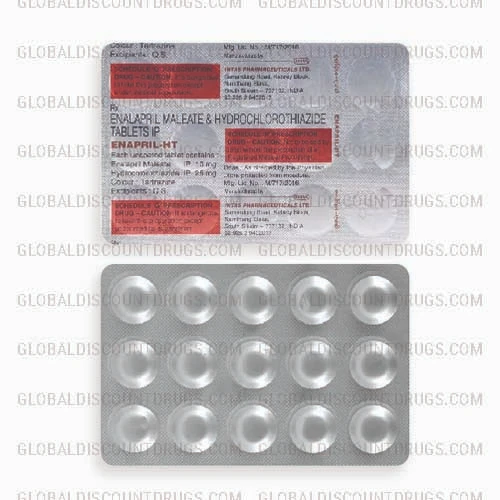
| Indian Brand | Enapril-HT 10mg-25mg |
| US Brand Name | Enalapril-Hydrochlorothiazide, Vaseretic |
| Generic Name | Enalapril-Hydrochlorothiazide |
| Dosage | 10mg-25mg |
| Drug Type | Tablets |