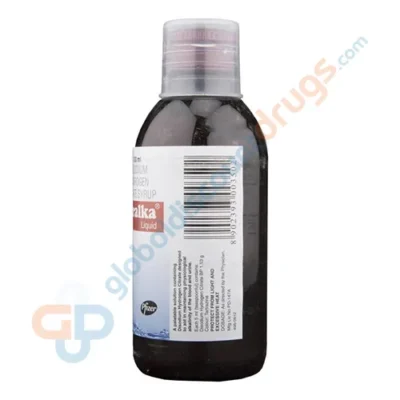
Disodium Hydrogen Citrate (1.53gm/5ml)
In StockDisodium Hydrogen Citrate 1.53 g/5 mL Oral Solution is a urinary alkalinizing medicine used to increase urine pH in selected urinary conditions. Measure each dose accurately and take it as directed.
| Active Ingredient: | Disodium Hydrogen Citrate |
|---|---|
| Indication: | Urinary Alkalization |
| Strength: | 1.53gm-5ml |
| Dosage Form: | Oral Liquid Solution |
| Manufacturer: | Pfizer Ltd |

Quick Overview
Disodium Hydrogen Citrate Oral Solution is a urinary alkalinizer used to relieve the burning and discomfort associated with urinary tract infections (UTIs) and conditions causing acidic urine. It works by increasing urine pH, which helps reduce irritation during urination. It is typically used as prescribed or recommended by a healthcare provider, alongside appropriate antibiotic therapy when an infection is present.
Medical Supervision & Regulatory Status
Availability and prescription status for disodium hydrogen citrate vary by country and region — in some markets it is available with a prescription, while in others it may be sold as an over-the-counter symptomatic relief product. In the United States, citrate-based urinary alkalinizers are less commonly marketed under this exact name, so patients should confirm regulatory status with a local pharmacist. Medical supervision is recommended because inappropriate use can affect electrolyte balance, especially in people with kidney or heart conditions.
Clinical Context
Urinary tract infections and certain metabolic conditions can cause urine to become more acidic, which worsens the burning sensation during urination and can contribute to the formation of certain types of kidney stones (such as uric acid stones). Alkalinizing the urine helps neutralize this acidity, offering symptomatic relief while the underlying cause — often a bacterial infection — is treated separately.
This medication is not an antibiotic and does not treat the infection itself. It is generally used as adjunct/supportive therapy, meaning it works alongside — not in place of — treatments specifically targeted at the underlying condition, such as antibiotics for UTIs or other prescribed therapies for stone prevention.
Because untreated UTIs can progress to more serious kidney infections, patients should see a doctor for proper diagnosis rather than relying on symptom relief alone.
How Disodium Hydrogen Citrate Works
Disodium hydrogen citrate belongs to the class of medications known as urinary alkalinizers (citrate salts). Once absorbed, citrate is metabolized in the body to bicarbonate, which raises the pH of the urine, making it less acidic.
By reducing urine acidity, the medication helps ease the stinging or burning sensation often felt during urination in people with UTIs or acidic-urine conditions. A less acidic urinary environment can also help reduce the risk of certain uric acid crystal formation.
This mechanism provides symptomatic comfort rather than eliminating the underlying cause, which is why it is typically used alongside condition-specific treatment as directed by a physician.
What is Disodium Hydrogen Citrate?
- Drug Class: Urinary alkalinizer (citrate salt)
- Active Ingredient: Disodium Hydrogen Citrate, 1.53 g per 5 mL
- Mechanism: Metabolized to bicarbonate, raising urinary pH and reducing acidity-related irritation
- Form: Oral solution/syrup
- Dosing Frequency: Typically 2–3 times daily, as directed by a physician
- Regulatory Status: Varies by country; confirm prescription requirement locally
Uses / Indications
- Symptomatic relief of UTIs: Helps reduce burning/discomfort during urination caused by acidic urine in the setting of urinary tract infections.
- Management of mild metabolic acidosis: May be used to help correct mild acid-base imbalances as directed by a physician.
- Adjunct in uric acid stone management: May help alkalinize urine to reduce uric acid crystal formation, as part of a broader treatment plan.
How to Use / Dosage
Dosage should always be determined by a physician based on age, weight, kidney function, and the condition being treated — do not self-adjust the dose. It is generally taken with water, often after meals to minimize stomach upset. If a dose is missed, take it as soon as remembered unless it is close to the next scheduled dose — do not double up. Do not stop use suddenly without consulting your doctor, particularly if it has been prescribed for an ongoing metabolic condition, since abrupt discontinuation could allow symptoms or imbalances to return.
Side Effects
Most people tolerate disodium hydrogen citrate well when taken as directed, but like all medications, side effects are possible.
Common effects may include mild stomach upset, nausea, or diarrhea, particularly if taken on an empty stomach or in higher-than-recommended amounts.
Serious effects are uncommon but can include electrolyte imbalances (such as elevated sodium or altered potassium levels), which are more likely in people with kidney impairment, heart failure, or those on certain medications.
Emergency Warning Signs — seek medical attention if you experience:
- Irregular heartbeat or palpitations
- Severe muscle weakness or cramping
- Confusion or unusual drowsiness
- Persistent vomiting
- Significant swelling in legs or ankles
- Difficulty breathing
- Signs of allergic reaction (rash, swelling of face/throat)
Warnings & Precautions
This medication should be used with caution in people with kidney disease, as reduced kidney function can impair the body’s ability to handle excess sodium and citrate, increasing the risk of electrolyte disturbances. It should also be used cautiously in people with heart failure or hypertension due to its sodium content, which may contribute to fluid retention. Concurrent use with potassium-sparing diuretics (such as spironolactone), ACE inhibitors, or potassium supplements may increase the risk of high potassium levels and should only be combined under medical supervision. Use during pregnancy or breastfeeding should be discussed with a physician, as safety data specific to this combination may be limited. Elderly patients and those with diabetes should be monitored more closely, as they may be more susceptible to electrolyte shifts. Periodic monitoring of electrolytes and kidney function may be recommended for long-term use.
Who Should Not Use This Medication
- Individuals with severe kidney impairment or renal failure
- People with untreated Addison’s disease
- Patients with severe heart failure or uncontrolled hypertension (due to sodium content)
- Individuals with known hyperkalemia (high potassium levels)
- Those with a known hypersensitivity to citrate salts
- Patients on strict sodium-restricted diets, unless approved by a doctor
Storage Instructions
Store at room temperature, away from direct sunlight and excess moisture. Keep the bottle tightly closed when not in use. Keep out of reach and sight of children. Do not use after the expiration date printed on the label, and discard any unused portion as advised by your pharmacist.
Frequently Asked Questions
What is the cost of Disodium Hydrogen Citrate without insurance?
It is generally affordable, especially in generic form. The cost without insurance depends on the seller, brand availability, and pack size, and may also vary by location and available discounts.
How can I order Disodium Hydrogen Citrate online?
A valid prescription is typically required. You can upload your prescription or have your doctor send it directly to a licensed pharmacy for home delivery. Always use verified, licensed online pharmacies to ensure product safety and authenticity.
Is Disodium Hydrogen Citrate available over the counter?
In most countries, it is not fully over the counter and requires medical guidance. Regulations vary by region, so check local requirements, but medical supervision is recommended regardless of OTC status.
Does Disodium Hydrogen Citrate require a prescription?
In most regions, yes, a prescription or pharmacist consultation is required. This helps ensure proper dosing and monitoring, particularly for people with kidney or heart conditions.
How long does it take to work?
Many people notice symptom relief within a day or two of consistent use, though this varies by individual and underlying cause. It works alongside, not instead of, treatments targeting the root cause of symptoms.
Can I stop taking it once I feel better?
Do not stop without consulting your doctor, especially if prescribed for an ongoing condition. Stopping early may allow symptoms or underlying imbalances to return before treatment is complete.
Can this medication interact with other drugs?
Yes, it can interact with potassium-sparing diuretics, ACE inhibitors, and potassium supplements, raising the risk of high potassium levels. Always share your full medication list with your doctor or pharmacist before starting.
References
- MedlinePlus (NIH) – Sodium Citrate/Citric Acid Information: https://medlineplus.gov/druginfo/meds/a682233.html
- DailyMed (NIH) – Citrate Salt Product Labeling: https://dailymed.nlm.nih.gov/dailymed/
- U.S. National Kidney Foundation – Urinary Alkalinization Guidance: https://www.kidney.org
Medical Disclaimer
This content is for informational purposes only and does not constitute medical advice, diagnosis, or treatment. Consult a qualified specialist or physician before using Disodium Hydrogen Citrate.
Prescription Required (Rx) to Buy?
This medication is not available over the counter. A valid prescription from a licensed healthcare
professional is required. Always consult your doctor before use.
| Quantity | 12, 3, 6, 9 |
|---|---|
| Indication | Urinary Alkalization |
| Active Ingredient | Disodium Hydrogen Citrate |
| Pharmaceutical Form | Oral Liquid Solution |
| Manufacturer | Pfizer Ltd |
| Indian Brand | Citralka Liquid 100ml |
| US Brand Name | Disodium Hydrogen Citrate |
| Generic Name | Disodium Hydrogen Citrate |
| Dosage | 1.53gm-5ml |
| Drug Type | Bottles |