
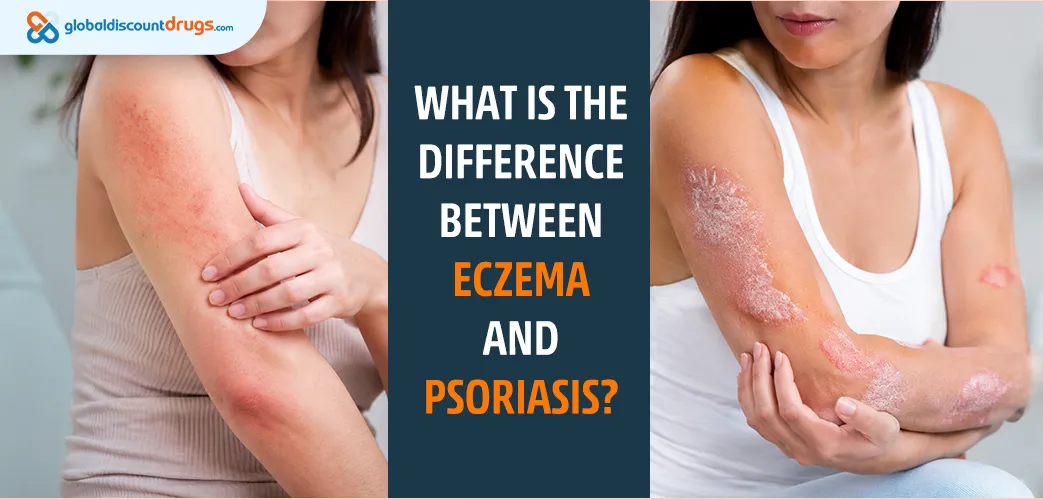
What Is The Difference Between Eczema And Psoriasis
Itchy, red, or irritated skin can be just so frustrating to deal with. Two of the most common skin issues can all lead to symptoms like eczema and psoriasis.
Because these conditions can lead to some red, inflamed patches on the skin, which is super easy for confusion to many. However, they are also caused by some of the different things, and they might need different approaches. This can help with care and management. Understanding how to tell them apart is the first step toward getting relief.
What Is Eczema?
The condition of Eczema (which is also known as atopic dermatitis). This condition is a long-term issue, which can make the skin dry, red, and intensely itchy. It can further be about starting in childhood, though adults can develop it too. People with conditions like eczema can have a weaker skin barrier. This condition can also mean that the skin struggles to hold onto moisture. and is more sensitive to everyday irritants including soaps, fabrics, or weather changes.Common Eczema Symptoms
- Intense itching: Condition like Eczema is called "the itch that rashes" as the strong urge to scratch can be about coming before the red marks appear.
- Moist or weeping skin: There are severe flare-ups, which can all lead to some small bumps that can ooze liquid and crust over.
- Darker or sensitive skin patches: In darker skin tones, eczema patches can be about appearing purple, brown, or Gray rather than red.
- Sensitive to touch: Scratching can also make the skin raw, sensitive, and prone to several infections.
What Is Psoriasis?
The condition of Psoriasis is an autoimmune condition. It also means that the body’s immune system can accidentally speed up the lifecycle of skin cells. Normally, the skin cells can take weeks for growth and shedding. With the issue of psoriasis, the body is to produce new skin cells in just a few days. As the old cells do not shed quick enough, they can also build on the surface of the skin, creating some thick, raised patches called plaques.Common Psoriasis Symptoms
- Thick, raised patches: Condition like psoriasis patches can have some clear, well-defined edges that can also feel raised from the rest of the skin.
- Silvery-white scales: Psoriasis plaques are usually covered with some of the similar silvery scales (which can dark skin, they can also look purplish or greyish with silvery tones).
- Burning or stinging sensation: Psoriasis are some of the tends to burn, sting, or feel painful, rather than simply being intensely itchy.
- Joint stiffness: Some people with conditions like psoriasis can also experience stiffness or inflammation in the joints (called psoriatic arthritis).
Key Differences: How to Tell Them Apart
While having a dermatologist or healthcare provider, one is known to be the only person who can give you a true diagnosis. This can be looked for a few key clues:- Where It Appears on Your Body
- Eczema is the condition that usually shows up in skin folds or bends including the inside of the elbows, behind knees, on the front of neck, or on wrists.
- Psoriasis can be about showing up on the outside of joints including the outer points of your elbows and knees, which can be on the scalp, lower back, palm, or nails.
- How the Itch Feels
- Eczema leads to a severe, overwhelming itch which can make it nearly impossible not to scratch.
- Psoriasis can feel more like a burning, stinging, or painful sensation, accompanied by mild to moderate itching, being a condition.
- Skin Texture and Edges
- Eczema patches can all have some blurry, rough edges and can look dry, cracked, or inflamed.
- Psoriasis patches can have some of the sharp, distinct borders. It is all covered in thick, silvery-white scales or skin buildup.
- Age of Onset
- Eczema can frequently begin in infants or young children, though it can further persist in some sort of adulthood or appear later in life.
- Psoriasis can also occur between the ages of 15 and 35, or later in older adults.
Common Triggers for Flare-Ups
Some of the common conditions that can go through periods where symptoms can clear up (remission) and further it is followed by some sudden flare-ups. Knowing such triggers can also help in managing flare-ups better:- Eczema Triggers: Some of the harsh soaps, scented detergents, wool fabrics, hot showers, allergens (this can be pet dander, pollen), dry winter air, and stress too.
- Psoriasis Triggers: Physical skin injuries can include cuts, scrapes, sunburns, infections like strep throat, cold weather, smoking, heavy alcohol use, and high stress levels.
When Should You See a Doctor?
When you are suspected of having eczema or psoriasis, it is best to consult a doctor or some of the dermatologists. Self-diagnosing can also lead to things using the wrong treatments that can irritate the skin further.
Editorial Standards
Content published on Global Discount Drugs is reviewed by healthcare professionals and supported by credible medical sources. Read our Editorial Content Policy to learn more.
