
What Are the Worst Side Effects of Meloxicam
Meloxicam medicine is a prescription solution that belongs to a group of solution known as nonsteroidal anti-inflammatory drugs (NSAIDs). This medication is used for helping lower pain, swelling, and stiffness. This issue is caused by conditions like osteoarthritis and rheumatoid arthritis.
Just like any other NSAIDs, meloxicam medicine can also lead to several side effects. There are many mild, but some can be serious and can need immediate medical attention. Knowing such warning signs can all help in understanding when to contact a healthcare professional.
Some of the possible warning signs have alteration in urination, swelling in the legs or feet, unexplained weight gain, or condition like unusual tiredness. However, some of the kidney issues might not usually have obvious symptoms. This is why some medical monitoring might be highly important for some people.
What Are the Most Serious Side Effects of Meloxicam?
Other severe side effects of meloxicam medicine can affect the heart, stomach, kidneys, liver, skin, and other parts of the body. These serious reactions are quite well uncommon, but they can sometimes be life-threatening too.-
Heart Attack or Stroke
- Chest pain or pressure
- Shortness of breath
- Sudden weakness or numbness, especially on one side of the body
- Issues in speaking
- Sudden problems with balance or vision
-
Stomach or Intestinal Bleeding
-
Kidney Problems
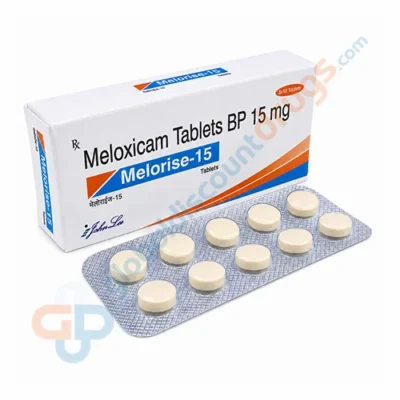
$0.75
per pill
-
Liver Injury
- Yellowing of the skin or eyes
- Dark urine
- Unusual tiredness
- Nausea
- Itching
- Pain in the upper right side of the abdomen
- Flu-like symptoms
-
Serious Skin Reactions
-
Severe Allergic Reaction
Who May Have a Higher Risk of Serious Side Effects?
The risks of meloxicam medicine can vary from person to person. Perform extra caution as this is needed for people who have the condition below.- Have a history of stomach ulcers or gastrointestinal bleeding
- Have heart disease or cardiovascular risk factors
- Have kidney or liver issues
- Have heart failure
- Are older adults
- Are dehydrated
- Take blood thinners, aspirin, steroids, or other NSAIDs
- Have certain types of asthma or previous reactions to aspirin or NSAIDs
What Should You Do If You Notice Side Effects?
Do not ignore any sort of severe or unusual symptoms of using this meloxicam medicine. Emergency symptoms like chest pain, trouble breathing, signs of a stroke, vomiting blood, black stools, severe allergic reactions, or widespread blistering. This is also about peeling skin requiring urgent medical attention. For less severe symptoms, speak with the doctor or pharmacist before making alterations for the treatment. Avoid taking more meloxicam than prescribed and avoid combining it with another NSAID unless a healthcare professional tells you to do so.The Bottom Line
Medicine Meloxicam can be helpful for overcoming pain and inflammation. This is also about carrying out some of the important risks. Some of the most serious potential side effects have heart attack or stroke, gastrointestinal bleeding, kidney injury, liver injury, severe skin reactions, and serious allergic reactions. The risk is not the same for everyone. The age, health conditions, other solutions, dose, and length of treatment can all equally matter. While using the meloxicam medicine, follow all the prescriber's instructions and report concerning symptoms promptly. References:- Asghar W, Jamali F. The effect of COX-2-selective meloxicam on myocardial, vascular and renal risks: a systematic review. Inflammopharmacology. 2015. Supports: cardiovascular and renal risk associated with meloxicam. (PubMed) PubMed source
- Schoenfeld P. Gastrointestinal safety profile of meloxicam: a meta-analysis and systematic review of randomized controlled trials. American Journal of Medicine. 1999. Supports: gastrointestinal ulcers, bleeding and other GI adverse effects. (PubMed) PubMed source
- Bindu S, Mazumder S, Bandyopadhyay U. Non-steroidal anti-inflammatory drugs (NSAIDs) and organ damage: a current perspective. Relevant NSAID safety literature covers GI, cardiovascular and renal complications. A related peer-reviewed review specifically summarizes these major NSAID adverse effects. (PubMed) PubMed source
- Staerkel P, Horsmans Y. Meloxicam-induced liver toxicity. Acta Gastroenterologica Belgica. 1999. Supports: rare meloxicam-associated liver injury and hepatitis. (PubMed) PubMed source
- Ishiguro A, et al. A case of drug-induced Stevens-Johnson syndrome-like eruption predominating in mucosa. Clinical Case Reports. 2020. Supports: rare severe cutaneous reactions associated with meloxicam exposure. (PubMed) PubMed source
Editorial Standards
Content published on Global Discount Drugs is reviewed by healthcare professionals and supported by credible medical sources. Read our Editorial Content Policy to learn more.
