
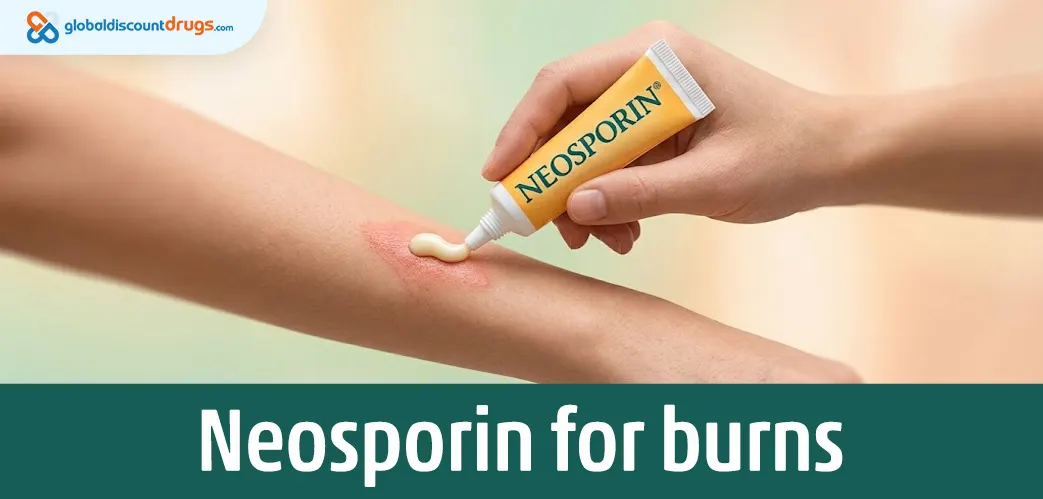
Neosporin for Burns
When you accidentally touch those hot pans or get a splash of boiling water on the skin, your first instinct is to reach into the medicine cabinet. For numerous people, Neosporin (which is a popular solution over-the-counter triple antibiotic ointment) is the first thing we grab for any skin injury.
However, if a blister might pop open, the skin barrier is broken, which can leave a gateway for bacteria. In a similar scenario, while applying such a thin layer of Neosporin, it can help in protecting the open wound from infection.
But is Neosporin medicine actually the right choice for a burn?
The short answer is, sometimes, but usually not right away. As the burns are classified as a normal topic, it also means incorrect information can directly impact the health and helps in recovering it. This is very important to understand as to how one can treat a burn safely. Know the science of burn care, when an antibiotic ointment can help, and what one must do instead of using those critical first few minutes.First, Know Your Burn
Before one might put anything on the skin, you also need to know what kind of burn you are dealing with. Burns are about the groups into the degrees that are well based on how deep the damage can go.- First-Degree Burns: These are known to be superficial burns about being affected by the outer layer of your skin (the epidermis). Think of a mild sunburn or a quick touch against a hot curling iron. The skin turns red and feels painful, but there are absolutely no blisters.
- Second-Degree Burns: Such burns can all go deeper into the second layer of skin (the dermis). Such skin type can be super red, swollen, and blisters will form. Such things are highly prone to infection if the blister might pop.
- Third-Degree Burns: some of the severe things to injury can destroy multiple layers of skin and can lead to nerve damage. The skin can further look white, black, or charred. Third-degree burns are medical emergencies. Never try to treat these at home.
Can You Use Neosporin on a Burn?
Neosporin medicine has three active antibiotics: neomycin, polymyxin B, and bacitracin. This medicine has a primary job to kill bacteria and prevent infection in minor cuts, scrapes, and other scratches like condition.Here is how that applies to burns:
-
For First-Degree Burns: Usually Unnecessary
-
For Second-Degree Burns: Wait for Blisters to Pop

$3.82 -
$4.66
per pill
The Correct Step-by-Step First Aid for Minor Burns
When a minor burn might occur, what you do in the first five minutes can all matter much more than what ointment one might apply later. Follow such sequence well as it is recommended by dermatologists and emergency physicians:- 1. Coolthe burnimmediately: Do this for 10 to 15 minutes.
- Remove tight jewelry or clothing:Do this gently before swelling starts.
- Moisturize and protect:Apply once the skin is completely cooled.
- Bandage loosely:Protect the area from friction.
Common Burn Myths to Avoid
When a burn occurs, folklore can give all advice to spread quickly. For safety, you need to never put the following items on a fresh burn:- Butter or Coconut Oil: Oils trap heats which is present inside the skin, making the burn go deeper and cook the tissue altogether. They can introduce unwanted bacteria.
- Toothpaste: Toothpaste is known to have chemicals and mint flavorings that can irritate those open wounds, which can lead to certain chemical burns, and seal in heat.
- Ice: Ice can cause frostbite on top of a burn, which can also restrict blood flow and worsen tissue damage as a whole.
Editorial Standards
Content published on Global Discount Drugs is reviewed by healthcare professionals and supported by credible medical sources. Read our Editorial Content Policy to learn more.
