
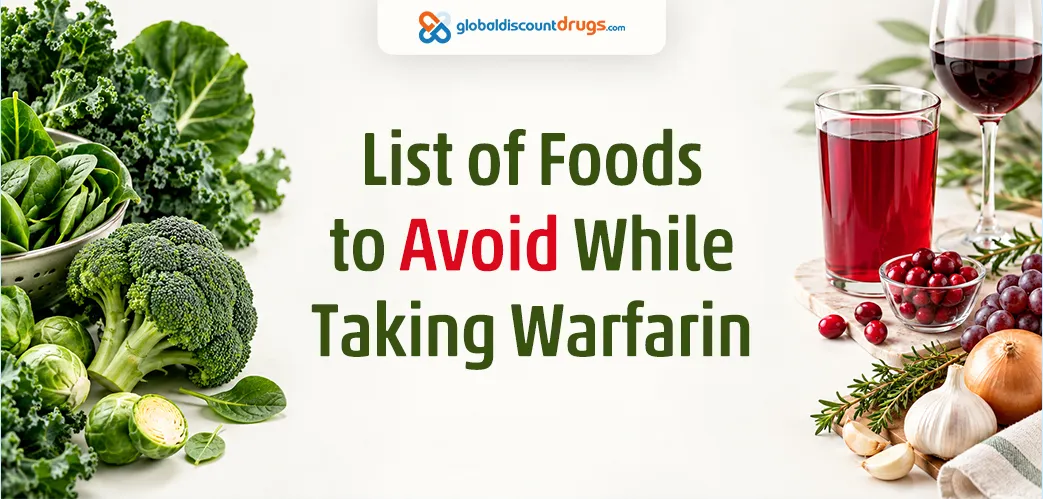
List of Foods to Avoid While Taking Warfarin
Warfarin medicine is a prescription solution that is a blood thinner. This solution is used for helping prevent and treat blood clots. While using it, the diet can also affect as to how well the solution shall work. This does not mean one might need to stop using healthy foods like vegetables. The main goal is to keep your use of vitamin K consistent and do not cause any sudden changes in certain foods and drinks.
While you take the medication of warfarin, make sure you must always discuss major diets. This can be about altering the doctor, anticoagulation clinic, or pharmacist.
;
For such alterations, the key rule is not simply "avoid vitamin K." Instead, while trying to eat a similar amount of vitamin K from week to week.
Why Does Food Matter With Warfarin?
Warfarin solution works partly by blocking the action of vitamin K. This element is a nutrient about the body to use for normal blood clotting. Eating much more or much less vitamin K than normal can lead to how warfarin solutions can affect the blood. Your healthcare provider checks which can also be affected by an INR blood test. A sudden alteration in the diet leads your INR to move outside the target range. This can also enhance the risk of blood clots or bleeding.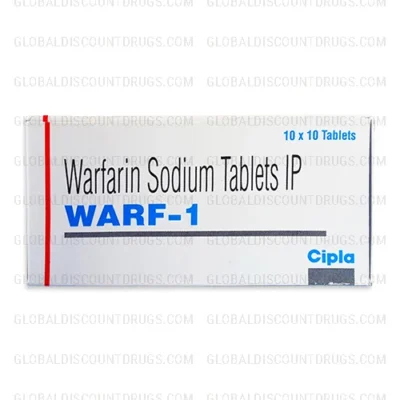
$0.29
per pill
Foods High in Vitamin K
Many foods which might have vitamin K are nutritious and they can still be part of a healthy diet. Issues can all occur when you suddenly start eating large amounts or stop eating them altogether. Some of the common vitamin K-rich foods include:- Spinach
- Kale
- Collard greens
- Mustard greens
- Turnip greens
- Swiss chard
- Broccoli
- Brussels sprouts
- Cabbage
- Lettuce
- Parsley
- Watercress
- Green beans
- Chickpeas
- Soybeans and edamame
- Liver
- Some vegetable oils
Be Careful With Cranberry Products
Cranberry juice and cranberry products are usually well discussed with warfarin as they might affect as to how the solution can work. Some healthcare guidance can highly recommend avoiding the use of cranberry juice and cranberry products while using the medicine warfarin. When this cranberry juice or supplement is already part of that regular diet, inform the doctor or pharmacist rather than making a sudden alteration yourself. Cranberry capsules and concentrated products might also be important for mentioning to the healthcare provider.Avoid Grapefruit Juice Unless Your Doctor Says It Is Safe
Grapefruit and grapefruit juice can altogether interact with various solutions. NHS guidance specifically advises people using the medication warfarin not to drink grapefruit juice. While you can regularly drink grapefruit juice or eat grapefruit, ask the doctor or pharmacist whether you should also avoid it.What About Pomegranate?
Pomegranate juice is just another drink which can interact with warfarin. Some of the anticoagulation services can all advise patients who are using warfarin. One is to avoid pomegranate products as they might also affect warfarin levels and INR. There are some recommendations who can vary, which can also discuss regular pomegranate juice or supplements with your healthcare professional.Limit Sudden Changes in Alcohol Intake
Alcohol use can affect warfarin treatment and bleeding risk. Some of the large amounts of alcohol or binge drinking can also be concerned about some level. While drinking alcohol, ask the healthcare provider how much is appropriate for one to have. More importantly, do not have any sudden alterations in the usual drinking pattern without discussing them with the healthcare team.What About Green Tea?
Green tea contains vitamin K, although the amount can notably vary. One might not need to completely avoid it, but also consistency shall matter. While you might regularly use green tea, keep the use reasonably consistent and inform the healthcare provider too. Suddenly drinking several cups of the same in a day after rarely drinking it could change all the vitamin K intake.Do Not Forget Supplements
Food is not the only source of vitamin K. On the other hand, multivitamins, vitamin supplements, herbal products, and some other dietary supplements might also affect warfarin treatment. Inform the doctor or pharmacist about every supplement one might use or plan to start. Avoid starting to use vitamin K supplements without professional advice. There are some herbal products that can also interact with warfarin use.The Most Important Rule: Keep Your Diet Consistent
You do not have to follow an extremely restrictive diet using a warfarin solution. A balanced diet can further include fruits, vegetables, and other nutritious foods. Some of the important things are to avoid large or sudden changes in the consumption of vitamin K-rich foods. While one might wish to start a new diet, lose weight, you need to become a vegetarian or vegan. Further, on making another major dietary change, tell your healthcare provider first. The doctor might further recommend an INR test after a significant diet alteration to make sure the warfarin dosage remains appropriate.When Should You Contact Your Doctor?
Consult with the healthcare provider in case you make a major alteration to the diet or regularly consume foods, drinks, vitamins, or herbal supplements. They are all known to interact with warfarin use. Make sure you seek prompt medical attention for several signs of unusual bleeding, like blood in the urine or stool, vomiting blood, prolonged bleeding, severe or unusual bruising, or a severe headache.Final Thoughts
When using the medicine warfarin, you do not necessarily need to avoid all those foods on using vitamin K. The safer approach is for keeping the vitamin K use consistent and one might also discuss significant dietary Alteration with the healthcare provider. Hence, you need to be especially careful with cranberry products, grapefruit juice, pomegranate products, alcohol, and supplements.
Editorial Standards
Content published on Global Discount Drugs is reviewed by healthcare professionals and supported by credible medical sources. Read our Editorial Content Policy to learn more.
