
Heparin vs Warfarin
Heparin and warfarin are both anticoagulants. This can usually be counted as blood thinners. This medicine can help prevent harmful blood clots from forming or getting larger. Although they might have a similar purpose, while working in various ways and it is also used in various situations.
Understanding the difference can be between heparin vs warfarin. This can also help some of the patients to know as to why a healthcare provider might choose the medicine over another. However, some of these solutions are not interchangeable. On the other hand, treatment should always be based on a healthcare professional's advice.
What Is Heparin?
Heparin medicine is an anticoagulant. This solution works by lowering the blood's ability to form several clots. This can be well used for preventing or treating blood clots, while including clots which are developed during medical procedures. The solution Heparin is usually used by injection. However, it also depends on the type and medical situation one might be in. This can be given into a vein or under the skin. There are some patients who might receive heparin in a hospital, while some form might be prescribed for use at home. The solution Heparin is usually used when the solution anticoagulation is needed soon. For example, a person with some newly diagnosed blood clot might receive heparin while another longer-term anticoagulant is started.What Is Warfarin?
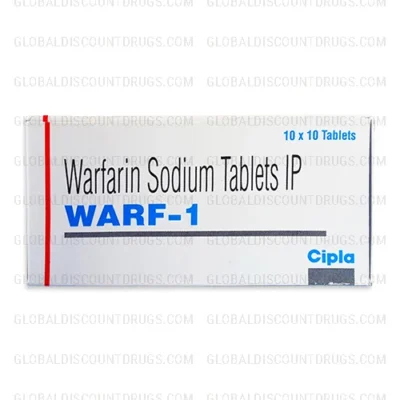
Warfarin solution is also an anticoagulant. The medicine works but it works differently from the heparin solution. The medication lowers the body's ability to make some of the clotting proteins which are dependent on vitamin K. Unlike the medication of heparin, warfarin is used orally by the mouth as a tablet. This solution can be used for preventing and treating blood clots. The solution is well prescribed for some people with certain heart rhythm problems or mechanical heart valves. Warfarin solution does not work as soon as it is consumed. The medicine takes several days for complete full effect to develop. For some reason, the medicine of heparin and warfarin may sometimes be used together. This is for a period of time when a patient needs anticoagulation right away.Heparin vs Warfarin: How Are They Different?
One of the major differences between these two medicines is how they are given. Heparin is usually given by injection, while the solution of warfarin is used orally. Another difference is how quickly they start working. Heparin can provide anticoagulant effects quite well soon, while making it useful in several situations where some of the immediate treatment is needed. Warfarin medicine also takes longer to reach its full effect.
When Might Heparin Be Used?
Heparin medicine can be used when a healthcare provider can all need an anticoagulant which helps in working quickly. There are also some of the commonly used hospitals and while some others can be part of the medical procedures. For example, heparin medication might be used for preventing or treating blood clots in people with certain medical conditions. This can be about using to keep blood from clotting inside some of the medical catheters.When Might Warfarin Be Used?
Warfarin solutions are also used when some longer-term anticoagulation is needed. It can be prescribed for various conditions on preventing blood clots, which is important. For some people who are using warfarin, regular INR testing is an important part of treatment. The target INR is just not the same for everyone. It can depend on why the medicine was prescribed in the first place and other individual factors.Are Heparin and Warfarin Safe?
Both of these medicines are known to enhance the risk of bleeding. Condition of bleeding is just so important as some of the possible side effects of anticoagulants and should be taken seriously. There are also some signs of serious bleeding that can include blood in the urine or stool, vomiting blood, bleeding which might not stop, from some unusual or severe bruising, severe headache, dizziness, or weakness. Anyone who is taking an anticoagulant should also follow the prescribed instructions and should not alter the dosage or stop the treatment without speaking with a healthcare provider. Stop use of an anticoagulant suddenly can enhance the risk of a blood clot in some situations. Some of the people who are using warfarin should also tell their healthcare provider before starting a new medicine or supplement. Some products can change how warfarin works.
Editorial Standards
Content published on Global Discount Drugs is reviewed by healthcare professionals and supported by credible medical sources. Read our Editorial Content Policy to learn more.
