
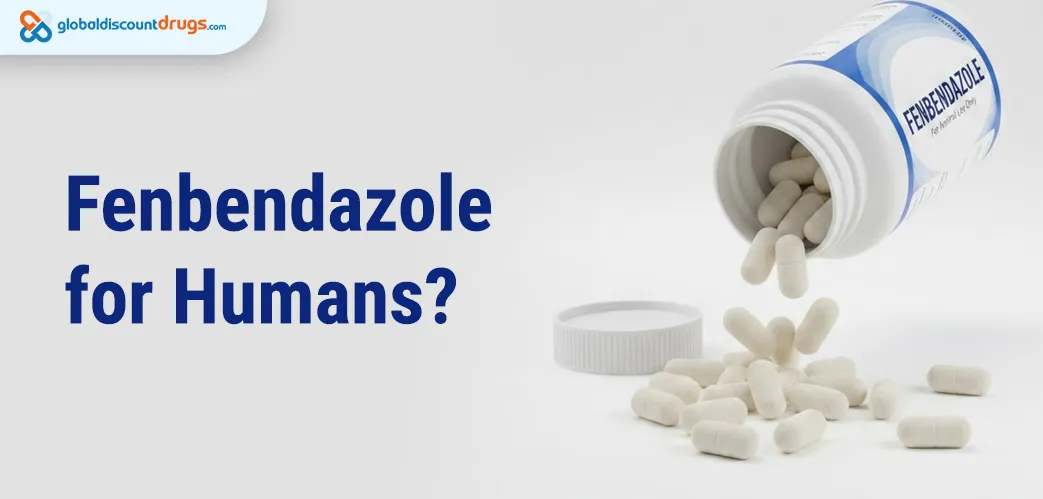
Fenbendazole For Humans
You may have heard people talking about a "miracle" drug lately. It’s called fenbendazole. While it has been around for decades, it is suddenly a hot topic on social media and in health forums.
If you are a content writer or just a curious reader, you might be wondering: what is this drug? Can humans really take it? And why is everyone talking about it for cancer?
In this guide, we will break down the facts about fenbendazole, the research behind it, and why the FDA treats it differently than other medicines.
What is Fenbendazole?
At its core, fenbendazole is a veterinary medicine. It belongs to a group of drugs called "anthelmintics." That is a fancy word for dewormers. For years, veterinarians have used it to treat parasites in animals like:- Dogs and cats
- Horses
- Cattle and goats
- Fish and birds

$11.45
per pill
Is it Approved for Humans?
This is the most important question. Currently, the FDA (Food and Drug Administration) has not approved fenbendazole for human use. It is strictly labeled for animals. However, humans do have similar drugs that are approved. You might recognize names like Mebendazole or Albendazole. These are "cousins" to fenbendazole. They work in a very similar way but have been tested in humans to make sure they are safe and that we know the right dose.Why are Humans Interested in it?
If it’s a dog dewormer, why are humans looking for it? There are two main reasons: parasites and cancer.-
Treating Parasites
-
The Cancer Connection
What Does the Research Say?
Scientists are actually very interested in how these types of drugs affect cancer cells. Because they disrupt cell structure, researchers think they might be able to stop cancer cells from dividing.What we know from the lab:
- Petri Dish Success: In many lab tests, fenbendazole has shown it can kill various types of cancer cells, including lung, breast, and colon cancer.
- Animal Studies: In some studies with mice, the drug helped shrink tumors.
- Starving the Cancer: Some research suggests that fenbendazole might block cancer cells from taking in sugar (glucose), which they need to grow.
What is missing?
The big "missing piece" is human clinical trials. Just because a drug works in a mouse or a plastic dish doesn't mean it will work in a human body. Human bodies are much more complex. We still don't know the safe "human dose" for cancer or how it might interact with other treatments like chemotherapy.Risks and Side Effects
Even though some people claim it is "perfectly safe," every drug has risks. Because fenbendazole isn't meant for humans, we don't have a full list of side effects, but here is what some doctors and early case reports have seen:- Liver Damage: There have been reports of people developing liver inflammation after taking fenbendazole.
- Bone Marrow Issues: In some animals, long-term use has led to problems with blood cell production.
- Interaction Risks: It might change how your body processes other important medicines you are taking.
Fenbendazole vs. Human Alternatives
If you are looking for the benefits of this type of medicine, doctors usually suggest the human-approved versions. Here is a quick look at how they compare:| Feature | Fenbendazole | Mebendazole / Albendazole |
| Primary Use | Animals (Veterinary) | Humans |
| FDA Approved? | No (for humans) | Yes |
| Dosing Info | Guessed for humans | Clearly defined for humans |
| Safety Testing | Animal trials only | Extensive human trials |
| Availability | Feed stores / Online | Pharmacy (Prescription) |
The Bottom Line
Fenbendazole is a fascinating drug with a long history of helping animals stay healthy. While the early research into its use for cancer is exciting, we aren't at the finish line yet. Right now, using fenbendazole for human health is considered "off-label" and carries risks that we don't fully understand. If you or a loved one are considering it, the best first step is to have an honest conversation with an oncologist or a primary care physician. They can help you look at all the options—including clinical trials—that are safe and backed by science.
Editorial Standards
Content published on Global Discount Drugs is reviewed by healthcare professionals and supported by credible medical sources. Read our Editorial Content Policy to learn more.
