
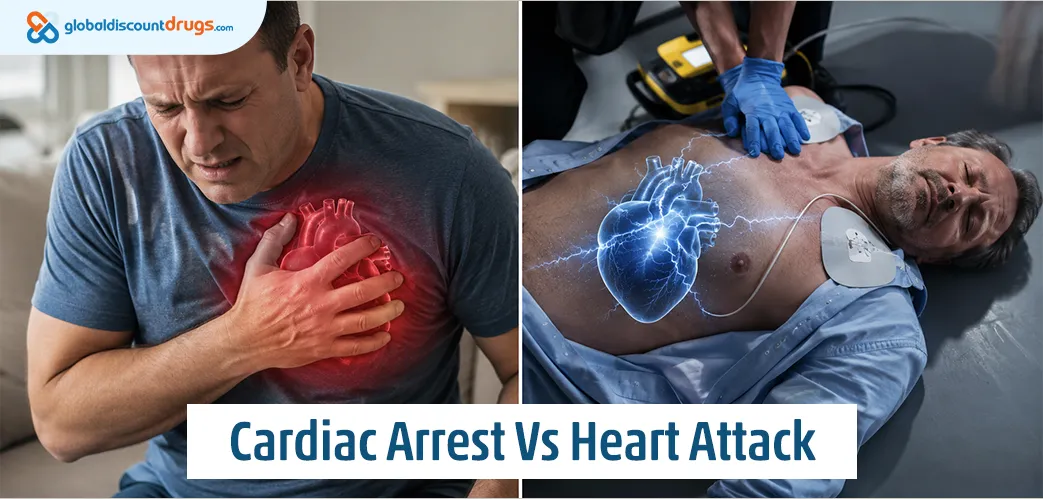
Cardiac Arrest Vs Heart Attack
When there are various people who might have a heart emergency, people can also be about using the terms "heart attack" and "cardiac arrest". People know that you all mean the same thing. But they are actually two completely different medical events to have. Knowing the difference can further help in reacting quickly, staying calm, and potentially saving a life.
Here are some of the simple breakdowns of what shall happen while getting a heart attack versus a cardiac arrest. Knowing how to spot them, and what one might need to do as soon as possible.
Heart Attack: A "Plumbing" Problem
A heart attack can take place when the flow of blood on the part of the heart gets completely blocked. When the blood just fails to reach the heart muscle, this part of the muscle can begin to die from a lack of oxygen. Think of it just like some clogged pipe at home. The water (blood) cannot get through, and this can lead to some big issues, but the house's electricity is still running. While this is about a heart attack, the heart usually keeps beating.Warning Signs of a Heart Attack
There are many symptoms that can start slowly and can eventually last for hours together or even days before the actual attack takes place. They include:- Chest discomfort: Feeling pressure, squeezing, fullness, or pain in the center of the chest. This effect can last for more than a few minutes or goes away and comes back soon.
- Pain in other areas: the pain or discomfort in one or both arms, the back, neck, jaw, or stomach.
- Shortness of breath: This can occur with or without any sort of chest discomfort.
- Other signs: Breaking out in a cold sweat, feeling nauseous, or experiencing light-headedness.
Cardiac Arrest: An "Electrical" Problem
The condition of a cardiac arrest occurs suddenly and happens without any warning. It can take place when the heart’s electrical system malfunctions. This can all cause the heart to suddenly stop beating soon. Think of it like some sudden power outage. The electricity can simply shut off, and the heart can instantly stop pumping blood into the brain, lungs, and the rest of the body. Within seconds, the person can simply lose consciousness, and one can stop breathing normally.Warning Signs of Cardiac Arrest
Unlike some heart attacks, cardiac arrest can occur instantly. The signs are immediate and severe:- Collapse
- No pulse
- Loss of consciousness (the person will not wake up even if you shake or shout at them)
- No breathing or abnormal gasping for air
Key Differences to Remember
For keeping these two conditions quite clear in the mind, remember how they can affect a person's body differently:- The Main Cause: condition of a heart attack is a circulation issue that is well caused by a blocked artery. A condition of cardiac arrest is an electrical issue that is well caused by a sudden malfunction in the heart's rhythm.
- Consciousness: A person who has a heart attack is usually awake, and they can talk, even when they are in severe pain. A person in cardiac arrest shall pass out soon and drop right on the ground.
- Breathing: while going through a heart attack, the person is still breathing, though they may feel short of breath. In conditions like cardiac arrest, the person can completely stop breathing or only make those gasping sounds.
- The Connection: A heart attack is a major cause of condition termed as cardiac arrest. When the heart muscle is damaged from a lack of blood, it can trigger electrical failure, which can lead to a cardiac arrest.
What to Do in Both Emergencies
Both situations are known to be life-threatening medical emergencies. When you might see someone experiencing either, you must act quick on the same. As soon as one might be about the health organizations including American Heart Associations. You need to take the right steps soon as it may double or triple a person's chance of survival.If you suspect a Heart Attack:
- Call 911 (or your local emergency number) as soon as possible. Do not simply wait to see if the symptoms shall all go away. As every minute counts.
- Have the person sit down and stay calm. While you also move around puts more stress on the heart.
- Chew an aspirin: When the person is conscious and not allergic, having them chew an adult aspirin can help. This can break up the blood clot while waiting for paramedics.
If you suspect a Cardiac Arrest:
- Call 911 as soon as possible.
- Get an AED: If you are in a public place, make sure that you ask someone to look for an Automated External Defibrillator (AED).
- Start CPR: Push hard and quickly right at the center of the chest (100 to 120 beats per minute, as this can match the beat of the song). Continue until emergency medical help shall arrives.
Editorial Standards
Content published on Global Discount Drugs is reviewed by healthcare professionals and supported by credible medical sources. Read our Editorial Content Policy to learn more.
