
Brain Tumor Symptoms
-
Written By:
Sarah Anderson
-
May 20, 2026
-
Medically Reviewed By
Dr. Nick I – General Practitioner & Medical Author
| Last Reviewed: May 18, 2026
When it all comes out to the health, brains are the command centre for everything that is done. Naturally, when one might experience some sort of unusual headaches or moments of confusion, a small voice in the back of our minds can ask: "Could this be something serious, like a brain tumour?"
While the extreme thing like brain tumours is statistically rare, knowing the signs is must for having peace of mind and early intervention.
What Exactly is a Brain Tumor?
It is a mass or growth of abnormal cells in the brain. Some are benign that means they are non-cancerous and they usually grow slow. Others are malignant, and they are cancerous that can grow quickly.
As the skull is made of hard bone, there is not much extra room inside for the tumour to grow. Any growth, even a benign one, can further tend to put pressure on brain tissue. Such issues are what can lead to the physical and mental symptoms of the people’s experience.
Common Symptoms to Watch For
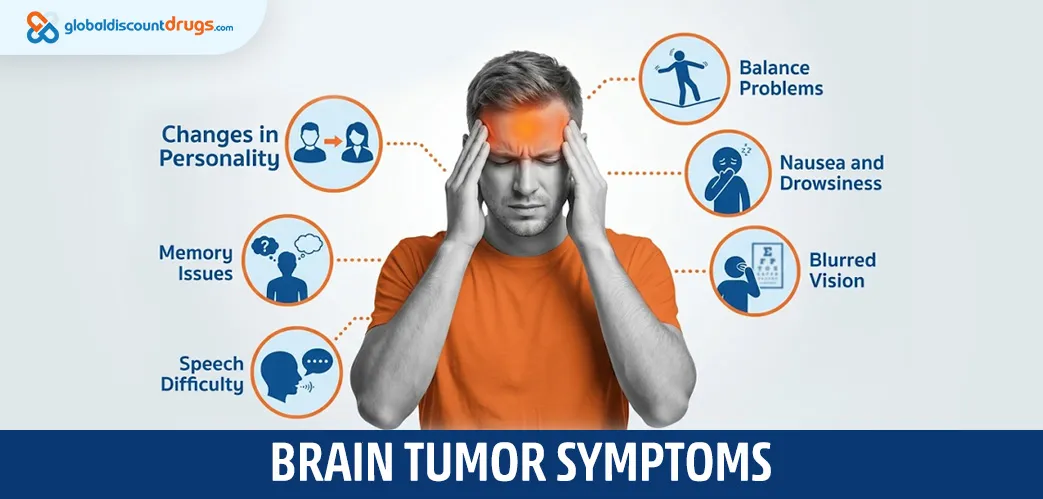
Symptoms can all vary, it depends on where the tumour is located and how quickly it is growing. However, some of the doctors generally look for a few primary indicators that can suggest it is the time for a check-up.
- New or Changing Headaches
Headaches are incredibly common and are usually caused by condition of stress, dehydration, or a lack of sleep. However, a headache that is well related to a brain tumour often has specific patterns. Such headaches tend to get worse over time and they can be frequent too. There are many people to report that the pain is most intense in the early morning and might be accompanied by nausea or vomiting. One can feel the pain to turn out worse while coughing, sneezing, or bending over.
- Seizures
A seizure is usually trusted to be one of the first signs that something is wrong. Even when you have no history of seizures, or some sudden onset warrants an immediate medical evaluation. Such range from full-body shaking to brief "absences" where a person can simply stare into that space for a few seconds.
- Changes in Personality or Mood
The brain is known to control who we are and how we act. A tumor further can be in the frontal lobe of the brain that can lead to some noticeable shifts in the behaviour. You notice someone to be more irritable, losing interest in their favourite hobbies, or acting "unlike themselves" in social situations. These alterations can be subtle at first but often become obvious to friends and family.
- Cognitive and Memory Issues
We all forget where the keys are sometimes. However, significant cognitive alteration is different. It includes feeling severely confused in familiar places. It has issues in finding the right words while having simple conversation or struggling to process basic information that are used to be easy to understand.
- Sensory and Motor Changes
Because different parts of the brain control different body functions, symptoms can all show up in the senses or some movement. People experience blurred vision, double vision, or even on losing the side (peripheral) vision. Others can also notice a ringing in their ears or a gradual loss of hearing. Physical weakness is a common sign, usually appearing as a loss of feeling or strength in an arm or a leg on just one side of the body.
Why the Location Matters
Think of the brain just like a map where different neighbourhoods can all have different jobs. If a tumor grows in the "neighborhood" it can help in controlling the speech, the main symptom can further be troublesome while talking or understanding certain love language. If it grows near the cerebellum, that can handle balance, the main condition can be about stumbling or clumsiness. This is why some of the symptoms can look different from one person to the next.
For example, a person with a tumour near the optic nerve can have vision conditions long before they ever feel a headache. Such variety is why it is important to report any sort of new, persistent physical alteration to a professional.
When Should You See a Doctor?
It is also important not to panic. Most of the symptoms including headaches or forgetfulness are all caused by much less serious conditions. However, medical experts at organizations including the American Brain Tumor Association and the Mayo Clinic suggest in seeking professional advice when the symptoms are persistent and progressive too.
If a symptom does not go away with rest or basic treatment, or when it is about keeping getting worse day after day, that is the body’s way of asking for help. You should also seek immediate care if you experience the "worst headache of the life" suddenly or if you experience a seizure for the first time.
Talking to Your Healthcare Provider
Only a medical professional can help in diagnosing a brain tumour using specialized imaging tools including MRI or CT scans. Trying to self-diagnose using the internet that can lead to unnecessary anxiety.
A helpful tip is to keep a "health diary." If you are to worry, track the symptoms for a week or two. Note when the headaches might occur, what they feel like, and if anything, specific seems to trigger them. Providing it clear history to doctor helps them make a much faster and more accurate assessment of your health.
Disclaimer:
The content on this page is not intended to substitute medical consultation, diagnosis, or treatment. Read our Editorial Content Policy for more details.
With over a decade of experience in pharmaceutical research and health communication, Sarah Anderson crafts trusted, accessible health content that helps readers make informed decisions.
Written By:
Sarah Anderson
May 20, 2026
Medically Reviewed By
When it all comes out to the health, brains are the command centre for everything that is done. Naturally, when one might experience some sort of unusual headaches or moments of confusion, a small voice in the back of our minds can ask: "Could this be something serious, like a brain tumour?"
While the extreme thing like brain tumours is statistically rare, knowing the signs is must for having peace of mind and early intervention.
Dr. Nick I – General Practitioner & Medical Author | Last Reviewed: May 18, 2026
What Exactly is a Brain Tumor?
It is a mass or growth of abnormal cells in the brain. Some are benign that means they are non-cancerous and they usually grow slow. Others are malignant, and they are cancerous that can grow quickly. As the skull is made of hard bone, there is not much extra room inside for the tumour to grow. Any growth, even a benign one, can further tend to put pressure on brain tissue. Such issues are what can lead to the physical and mental symptoms of the people’s experience.Common Symptoms to Watch For
Symptoms can all vary, it depends on where the tumour is located and how quickly it is growing. However, some of the doctors generally look for a few primary indicators that can suggest it is the time for a check-up.- New or Changing Headaches
- Seizures
- Changes in Personality or Mood
- Cognitive and Memory Issues
- Sensory and Motor Changes
Why the Location Matters
Think of the brain just like a map where different neighbourhoods can all have different jobs. If a tumor grows in the "neighborhood" it can help in controlling the speech, the main symptom can further be troublesome while talking or understanding certain love language. If it grows near the cerebellum, that can handle balance, the main condition can be about stumbling or clumsiness. This is why some of the symptoms can look different from one person to the next. For example, a person with a tumour near the optic nerve can have vision conditions long before they ever feel a headache. Such variety is why it is important to report any sort of new, persistent physical alteration to a professional.When Should You See a Doctor?
It is also important not to panic. Most of the symptoms including headaches or forgetfulness are all caused by much less serious conditions. However, medical experts at organizations including the American Brain Tumor Association and the Mayo Clinic suggest in seeking professional advice when the symptoms are persistent and progressive too. If a symptom does not go away with rest or basic treatment, or when it is about keeping getting worse day after day, that is the body’s way of asking for help. You should also seek immediate care if you experience the "worst headache of the life" suddenly or if you experience a seizure for the first time.Talking to Your Healthcare Provider
Only a medical professional can help in diagnosing a brain tumour using specialized imaging tools including MRI or CT scans. Trying to self-diagnose using the internet that can lead to unnecessary anxiety. A helpful tip is to keep a "health diary." If you are to worry, track the symptoms for a week or two. Note when the headaches might occur, what they feel like, and if anything, specific seems to trigger them. Providing it clear history to doctor helps them make a much faster and more accurate assessment of your health. Disclaimer: The content on this page is not intended to substitute medical consultation, diagnosis, or treatment. Read our Editorial Content Policy for more details.With over a decade of experience in pharmaceutical research and health communication, Sarah Anderson crafts trusted, accessible health content that helps readers make informed decisions.