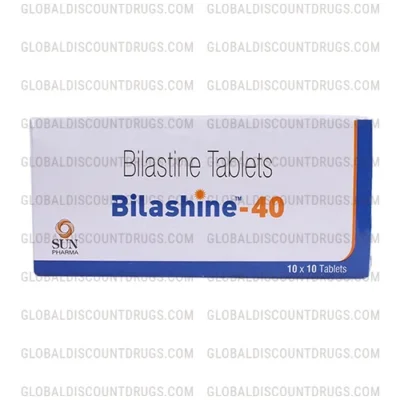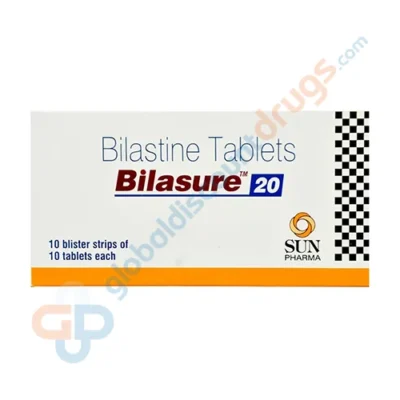
Bilastine
In StockBilastine is a modern, highly selective second-generation H1? receptor antagonist used for the symptomatic treatment of allergic rhinoconjunctivitis and urticaria (hives). It effectively blocks the action of histamine, providing quick and long-lasting relief from sneezing, itching, and nasal congestion without causing significant sedation. Valued for its minimal CNS penetration, Bilastine offers a superior safety profile for chronic allergy management. This compound is a preferred choice for improving patient comfort during allergy season.

What is Bilastine?
Bilastine is a second-generation antihistamine medication. It belongs to the drug class known as non-sedating H1-antihistamines, which work by blocking histamine, a chemical the body releases during allergic reactions.
Bilastine is commonly prescribed for:
- Allergic rhinitis (seasonal and year-round nasal allergy symptoms, such as sneezing, runny nose, and itchy or watery eyes)
- Urticaria (hives), including chronic spontaneous urticaria, to reduce itching and skin welts
Bilastine is typically available as:
- Oral tablets (standard strength formulations)
- Orally disintegrating tablets (in some regions)
- Oral solution or syrup (for pediatric or patients who have difficulty swallowing tablets, depending on regional availability)
Not all formulations or strengths are available in every country. Patients should check with their pharmacist or licensed medical specialist to confirm which formulation has been prescribed to them.
What is the Recommended Dosage of Bilastine?
Dosage of bilastine is individualized and depends on several factors, including:
- The condition being treated (allergic rhinitis vs. chronic urticaria)
- Patient age (dosing for children may differ from adults)
- Body weight, particularly in pediatric patients
- Kidney function, since dose adjustments may be needed in patients with reduced kidney function
- Other medications being taken concurrently
Available dosage forms may include standard tablets and pediatric-friendly formulations such as oral solutions, depending on the region and product line.
Dosing must always be determined and confirmed by a licensed medical specialist, such as an allergist, immunologist, dermatologist, or primary care physician. This guide does not provide specific dosing instructions, as appropriate dosing depends on individual clinical factors that only a qualified healthcare provider can assess.
How Bilastine Works
Histamine is a natural chemical released by the immune system when it detects something it perceives as a threat, such as pollen, dust, or other allergens. Histamine causes many of the classic allergy symptoms, including itching, swelling, redness, and mucus production.
Bilastine works by blocking histamine from attaching to its receptors (specifically H1 receptors) in the body. This helps reduce or prevent allergy symptoms such as sneezing, itching, hives, and nasal congestion.
Bilastine is designed to have minimal effects on the central nervous system, which is why it is often described as a “non-sedating” antihistamine compared to older, first-generation antihistamines.
It is important to understand that bilastine manages and controls allergy symptoms — it does not cure the underlying allergic condition or eliminate the immune system’s sensitivity to allergens.
Is a Prescription Required to Buy Bilastine Online?
Bilastine’s prescription status varies by country and region:
- In some countries, bilastine is available by prescription only.
- In other regions, certain strengths may be available over the counter.
Regardless of local availability, patients should consult a licensed medical specialist — such as an allergist, immunologist, dermatologist, or general practitioner — before starting bilastine, particularly for children, pregnant or breastfeeding individuals, or those with existing health conditions.
Important safety reminders when purchasing medication online:
- Only purchase bilastine from licensed, verified pharmacies.
- Be cautious of websites offering the medication without requiring any prescription verification where one is legally required.
- Avoid counterfeit products, which may contain incorrect dosages or harmful ingredients.
- Never use veterinary or non-human formulations intended for animals.
Side Effects of Bilastine
Common Side Effects
These are generally mild and may include:
- Headache
- Drowsiness (less common than with older antihistamines, but still possible)
- Dizziness
- Fatigue
- Dry mouth
- Nausea
Serious Side Effects
Serious side effects are uncommon but can occur. Seek immediate medical attention if you experience:
- Signs of an allergic reaction to bilastine itself, such as swelling of the face, lips, tongue, or throat, difficulty breathing, or severe rash
- Irregular or rapid heartbeat
- Severe dizziness or fainting
This is not a complete list of possible side effects. Patients should report any unusual or persistent symptoms to their licensed medical specialist.
Drug Interactions
Bilastine may interact with certain substances, including:
- Other medications affecting heart rhythm (some drugs can increase the risk of cardiac effects when combined with antihistamines)
- Ketoconazole and certain other antifungal or antibiotic medications, which may increase bilastine levels in the body
- Grapefruit juice and certain fruit juices, which may reduce the absorption of bilastine in some cases
- Over-the-counter (OTC) medications, including other cold, allergy, or sleep aids that may have overlapping antihistamine effects
- Herbal products and dietary supplements, some of which may interact with antihistamines or affect metabolism
Patients should provide their licensed medical specialist and pharmacist with a complete list of all prescription medications, OTC drugs, vitamins, and herbal supplements they are taking before starting bilastine.
Safety & Important Considerations
- Kidney disease: Dose adjustments may be necessary for patients with significantly reduced kidney function. This should be evaluated by a specialist.
- Liver disease: Patients with liver conditions should discuss bilastine use with their healthcare provider.
- Pregnancy: The safety of bilastine during pregnancy has not been fully established. Use during pregnancy should only occur under the guidance of a licensed medical specialist after weighing potential risks and benefits.
- Breastfeeding: It is not fully known whether bilastine passes into breast milk. Breastfeeding individuals should consult their healthcare provider before use.
- Children and elderly patients: Dosing and safety considerations may differ for pediatric and elderly populations. Pediatric use should follow age- and weight-appropriate guidance from a specialist.
- Monitoring: Most patients do not require routine lab monitoring, but those with kidney or liver impairment, or other complicating conditions, may need closer follow-up as directed by their provider.
Patients should always disclose their full medical history to their prescribing specialist before starting treatment.
Who This Medication Is For
Bilastine is generally intended for individuals diagnosed with:
- Allergic rhinitis (seasonal or perennial), causing symptoms such as sneezing, nasal congestion, and itchy or watery eyes
- Chronic spontaneous urticaria (hives), causing persistent itching and skin welts
It is typically used in adults and, depending on regional approval and formulation, in children above a certain age as determined by a licensed specialist.
Who Should Not Take Bilastine
Bilastine may not be appropriate for individuals who:
- Have a known allergy or hypersensitivity to bilastine or any of its inactive ingredients
- Are pregnant or breastfeeding, without specialist guidance
- Have certain significant kidney function impairments, without dose adjustment supervised by a specialist
- Are taking medications known to interact significantly with bilastine, without medical oversight
This is not an exhaustive list. A licensed medical specialist should review a patient’s complete health history and current medications before prescribing bilastine.
What to Do If You Miss a Dose
- If a dose of bilastine is missed, take it as soon as remembered, unless it is close to the time of the next scheduled dose.
- Do not take a double dose to make up for a missed one.
- If there is uncertainty about what to do, contact a licensed medical specialist or pharmacist for guidance specific to the prescribed dosing schedule.
Related medications to Bilastine
Other medications in the same general therapeutic class (second-generation, non-sedating antihistamines) that may be considered include:
These medications work through similar mechanisms but may differ in dosing, side effect profiles, and interaction risks. Switching between antihistamine medications should only be done in consultation with a licensed medical specialist, who can evaluate which option best fits an individual’s health needs.
Storage Instructions
- Store bilastine at room temperature, generally away from excessive heat.
- Protect the medication from moisture and direct light.
- Keep the medication in its original packaging or container until ready for use.
- Store all medications out of reach and sight of children and pets to prevent accidental ingestion.
- Do not use medication that has passed its expiration date; dispose of expired or unused medication according to local guidelines or pharmacist recommendations.
Disclaimer:
This page is for educational purposes only and is not a substitute for professional medical advice, diagnosis, or treatment. Patients must consult a licensed allergist, immunologist, dermatologist, or other qualified medical specialist before starting, changing, or stopping bilastine or any other treatment. Treatment decisions must be based on a full clinical evaluation by a qualified healthcare provider, taking into account the patient’s individual medical history, current medications, and health status.
Prescription Required (Rx) to Buy?
This medication is not available over the counter. A valid prescription from a licensed healthcare
professional is required. Always consult your doctor before use.