
Azathioprine 50mg
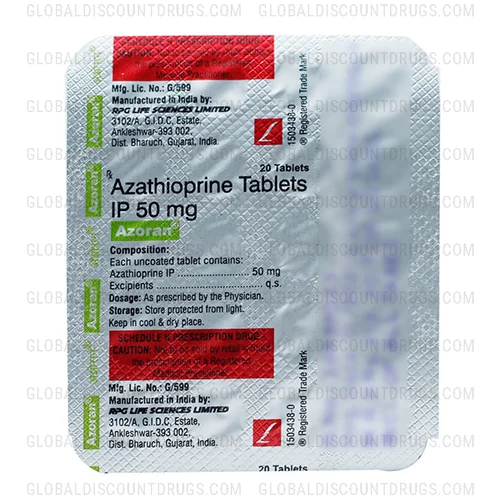
In StockAzathioprine 50 mg Tablet contains an immunosuppressant used in transplant medicine and selected autoimmune or inflammatory disorders. Blood counts and liver function require periodic monitoring throughout treatment.
| Active Ingredient: | Azathioprine |
|---|---|
| Indication: | Organ Transplant Rejection Prevention |
| Strength: | 50mg |
| Dosage Form: | Tablets |
| Manufacturer: | RPG Life Science |

What Is Azathioprine 50mg Used For? Quick Overview
Azathioprine 50mg is a prescription immunosuppressant tablet used to prevent organ rejection after kidney transplants and to manage autoimmune conditions including rheumatoid arthritis and inflammatory bowel disease. It works by suppressing abnormal immune system activity. This medication requires close medical supervision and is not available without a valid prescription from a licensed physician.
Prescription Status and Regulatory Classification
Azathioprine 50mg is a Schedule H prescription-only drug in the United States and is regulated under FDA oversight. It is not available over the counter. A physician must evaluate your medical history, current medications, and lab values before prescribing this drug. Regular blood monitoring is required throughout treatment because azathioprine can affect bone marrow function.
Understanding the Condition This Drug Treats
The immune system normally protects the body from infections and foreign tissue. After an organ transplant, however, this same defense mechanism recognizes the new organ as a threat and attempts to destroy it. Without immunosuppressant therapy, transplant rejection is almost certain.
Autoimmune diseases like rheumatoid arthritis and Crohn’s disease involve the immune system mistakenly attacking the body’s own healthy tissue. Left unmanaged, these conditions can cause progressive joint damage, intestinal complications, and significant disability over time.
Azathioprine fits into treatment plans where the immune response needs to be dialed down selectively. It is typically used alongside other medications or as a steroid-sparing agent when long-term steroid use carries unacceptable risks.
How Azathioprine 50mg Works
Azathioprine belongs to the thiopurine class of immunosuppressants. Once absorbed, the body converts it into active metabolites, primarily 6-thioguanine nucleotides, which interfere with purine synthesis. Purines are building blocks required for DNA production in rapidly dividing cells, particularly lymphocytes (the white blood cells responsible for immune responses).
By disrupting this process, azathioprine reduces the production and activity of both T and B lymphocytes. This controlled suppression lowers the intensity of immune attacks on transplanted organs and inflamed tissues without completely shutting down immune function. The therapeutic effect typically develops gradually over weeks to months.
Drug Profile at a Glance
Drug Class: Thiopurine immunosuppressant
Active Ingredient: Azathioprine
Mechanism: Inhibits purine synthesis, suppressing lymphocyte proliferation
Available Form: Oral tablet
Typical Dosing Frequency: Once or twice daily, as directed by physician
Regulatory Status: FDA-approved prescription medication (Rx only)
Approved Indications and Clinical Uses
Prevention of Kidney Transplant Rejection Azathioprine is FDA-approved as part of combination immunosuppressive therapy following renal transplantation. It is used alongside corticosteroids and, in many protocols, calcineurin inhibitors to reduce the risk of acute rejection episodes.
Rheumatoid Arthritis In patients with severe rheumatoid arthritis who have not responded adequately to conventional first-line therapies, azathioprine may be prescribed to reduce joint inflammation and slow disease progression.
Inflammatory Bowel Disease (Off-Label but Widely Used) Gastroenterologists frequently use azathioprine to maintain remission in Crohn’s disease and ulcerative colitis. While this is not an FDA-approved indication, it is supported by extensive clinical evidence and is endorsed by gastroenterology guidelines.
Other Autoimmune Conditions Physicians may also prescribe azathioprine for conditions such as lupus nephritis, autoimmune hepatitis, and certain skin disorders under specialist supervision.
Dosage and Administration Guidelines
Dosing is determined by your physician based on your body weight, kidney function, thiopurine methyltransferase (TPMT) enzyme status, and the condition being treated. General dosing ranges from 1 to 3 mg per kilogram of body weight per day, but your actual prescribed dose may differ.
Take azathioprine at the same time each day, with food or after a meal to reduce stomach discomfort. Swallow the tablet whole with a full glass of water.
If you miss a dose, take it as soon as you remember on the same day. If it is already the next day, skip the missed dose and continue your regular schedule. Never double up doses to make up for one missed.
Do not stop taking azathioprine suddenly without speaking to your doctor. Abrupt discontinuation can trigger disease flares, particularly in transplant patients and those with inflammatory bowel disease.
Side Effects: What to Expect
Most people on azathioprine tolerate it reasonably well at therapeutic doses, and many side effects are manageable with proper monitoring and dose adjustments.
Common side effects include nausea, vomiting, loss of appetite, diarrhea, and general fatigue. These gastrointestinal effects are more noticeable during the first few weeks of treatment and often improve over time. Taking the medication with food helps reduce stomach-related complaints.
More serious side effects include bone marrow suppression, which can cause low white blood cell counts (leukopenia), reduced platelet counts (thrombocytopenia), or anemia. Liver toxicity (hepatotoxicity) is another known risk, particularly with higher doses or prolonged use. Long-term use also carries a modestly increased risk of certain cancers, including skin cancers and lymphoma, due to sustained immune suppression.
Seek emergency medical attention if you experience:
- High fever, chills, or signs of serious infection
- Unusual bruising or prolonged bleeding
- Yellowing of the skin or eyes (jaundice)
- Severe abdominal pain
- Blood in urine or stool
- Extreme, unexplained fatigue
- Mouth sores that do not resolve
Warnings, Precautions, and Drug Interactions
TPMT Enzyme Testing Before starting azathioprine, your physician may test for TPMT enzyme activity. Patients with low or absent TPMT activity metabolize the drug differently and are at significantly higher risk for severe bone marrow suppression. Dose adjustments or alternative therapies are considered in these cases.
Drug Interactions Allopurinol, a drug commonly used for gout, blocks the enzyme that breaks down azathioprine. Taking both together without a significant dose reduction (usually 25 to 33 percent of the normal azathioprine dose) can cause life-threatening bone marrow toxicity. Inform your doctor if you take allopurinol or febuxostat. Warfarin activity may also be reduced when used alongside azathioprine. Live vaccines should be avoided during treatment, as the suppressed immune system cannot mount a safe or adequate response.
Pregnancy and Breastfeeding Azathioprine is classified as FDA Pregnancy Category D. It has shown potential for harm to the developing fetus and should only be used during pregnancy when the benefit clearly outweighs the risk, as determined by a physician. It is detectable in breast milk, and breastfeeding is generally not recommended during treatment. Discuss family planning openly with your physician before starting or continuing this medication.
Renal and Hepatic Impairment Dose reductions are typically required in patients with kidney or liver disease, as both organs play a role in drug metabolism and excretion. Your physician will adjust the dose based on organ function tests.
Regular Monitoring Complete blood counts and liver function tests must be performed regularly throughout treatment. The frequency of monitoring is highest during the initial months of therapy and is adjusted based on your individual response and stability.
Who Should Not Take Azathioprine
The following individuals should not use this medication without careful specialist review:
- Patients with known hypersensitivity or allergy to azathioprine or mercaptopurine
- Individuals with absent TPMT enzyme activity (unless closely monitored with dose adjustments)
- Patients currently taking allopurinol without planned dose reduction
- Those with active, untreated infections
- Pregnant women unless specifically directed by a physician after risk-benefit assessment
- Patients with severe bone marrow suppression
Storage Instructions
Store azathioprine 50mg tablets at room temperature, between 59 degrees F and 77 degrees F (15 to 25 degrees C). Keep the tablets in their original container, away from direct light and moisture. Do not store in a bathroom cabinet where humidity is high. Keep all medications out of reach of children and pets. Dispose of unused or expired tablets through a drug take-back program or follow FDA disposal guidelines.
Frequently Asked Questions
Does azathioprine require a prescription?
Yes, azathioprine is a prescription-only medication in the United States and most countries globally. A physician must evaluate your diagnosis, current health status, and lab values before prescribing it. Self-medicating with azathioprine is unsafe due to its serious side effect profile and the need for ongoing monitoring during treatment.
How long does azathioprine take to work?
Azathioprine generally takes 6 to 12 weeks to show noticeable clinical benefits, particularly for autoimmune conditions like rheumatoid arthritis or inflammatory bowel disease. In transplant patients, it is used from the time of surgery as part of a maintenance protocol. Your physician will assess your response and adjust the dose accordingly during follow-up visits.
Can I stop taking azathioprine on my own?
No, stopping azathioprine suddenly without medical guidance is not safe. Abrupt discontinuation can cause disease flares in autoimmune conditions and increases the risk of transplant rejection. If you experience side effects or wish to stop, contact your prescribing physician to discuss a safe tapering plan tailored to your situation.
What medications interact with azathioprine?
The most clinically significant interaction is with allopurinol, which can cause severe bone marrow toxicity when combined with azathioprine. Warfarin, ACE inhibitors, and certain biologics may also interact. Always give your doctor and pharmacist a full list of every medication, supplement, and herbal product you are currently taking before starting azathioprine.
What should I do if I miss a dose?
If you miss a dose and remember on the same day, take it as soon as possible. If the next scheduled dose is due, skip the missed one entirely and resume your normal routine. Do not take two doses at once. Consistent daily dosing is important for maintaining stable blood levels and therapeutic effect.
What is the cost of azathioprine without insurance?
The cost without insurance depends on the seller, brand availability, and pack size, and may also vary by location and available discounts. Generic azathioprine is widely available and is generally considered affordable relative to many other immunosuppressants. Pharmacy discount programs and manufacturer assistance options may help reduce out-of-pocket expenses for eligible patients.
How can I order azathioprine online?
A valid prescription from a licensed physician is required to order azathioprine online. You can typically upload your prescription directly to a licensed online pharmacy or have your doctor send it electronically. Home delivery is available through verified, state-licensed online pharmacies. Always use pharmacies verified by the National Association of Boards of Pharmacy (NABP) or displaying the .pharmacy domain credential to ensure safety and authenticity.
Is azathioprine available over the counter?
No, azathioprine is not available over the counter in the United States or in most other countries. It is a prescription-only drug due to its serious potential side effects, the need for individualized dosing, and the requirement for regular laboratory monitoring throughout treatment. Regulations may vary slightly by region, but medical supervision is required regardless of location.
References
- MedlinePlus, National Library of Medicine – Azathioprine Drug Information https://medlineplus.gov/druginfo/meds/a682167.html
- U.S. Food and Drug Administration (FDA) – Azathioprine Prescribing Information (DailyMed) https://dailymed.nlm.nih.gov/dailymed/search.cfm?labeltype=all&query=azathioprine
- British Journal of Clinical Pharmacology – Thiopurine pharmacology and clinical use in inflammatory bowel disease – https://bpspubs.onlinelibrary.wiley.com/doi/10.1111/bcp.12262
Medical Disclaimer:
This content is for informational purposes only and does not constitute medical advice, diagnosis, or treatment. Consult a qualified specialist or physician before using Azathioprine 50mg. Read our medical disclaimer for more details
Prescription Required (Rx) to Buy?
This medication is not available over the counter. A valid prescription from a licensed healthcare
professional is required. Always consult your doctor before use.
| Quantity | 100, 200, 300, 400 |
|---|---|
| Indication | Organ Transplant Rejection Prevention |
| Active Ingredient | Azathioprine |
| Pharmaceutical Form | Tablets |
| Manufacturer | RPG Life Science |
| Indian Brand | Azoran 50mg |
| US Brand Name | Azahexal, Azamun, Azapin, Azathioprine, Imuran, Thioprine |
| Generic Name | Azathioprine |
| Dosage | 50mg |
| Drug Type | Tablets |