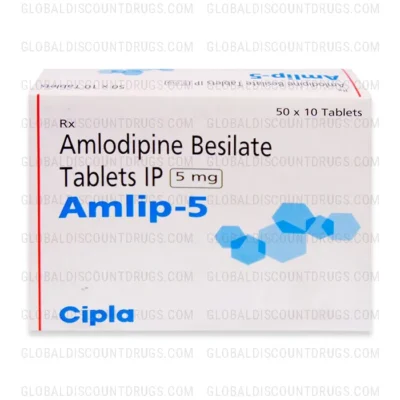

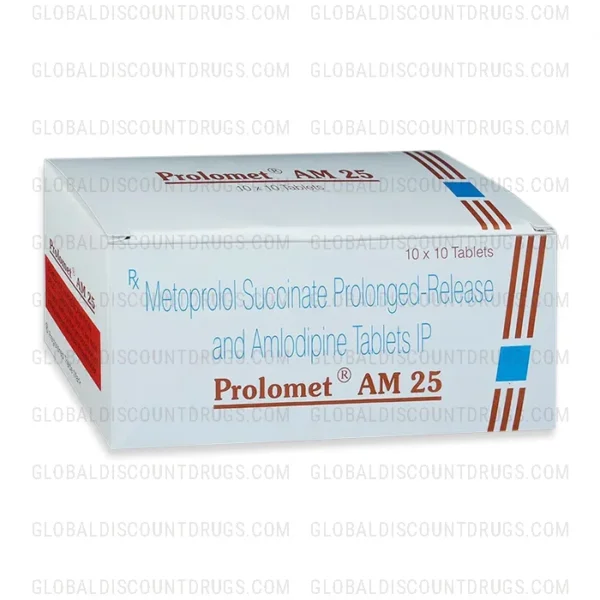
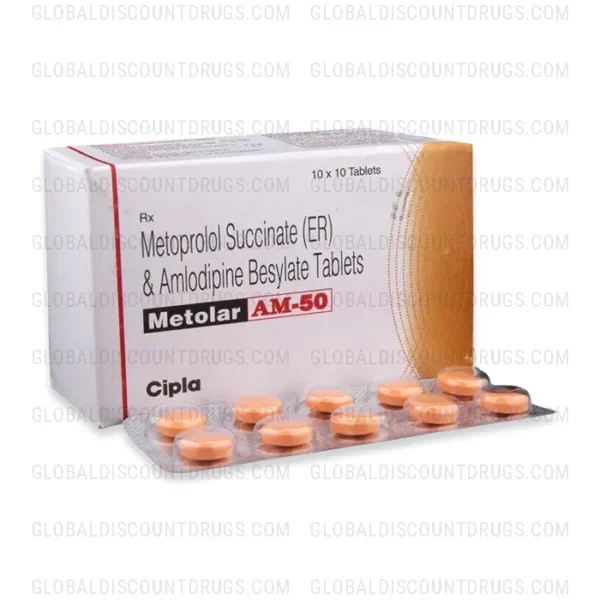
Amlodipine-Metoprolol
In StockAmlodipine-Metoprolol is a prescription medicine used to treat high blood pressure and chest pain (angina). It combines two heart medications: Amlodipine, a calcium channel blocker, and Metoprolol, a beta-blocker. This dual-action approach helps lower blood pressure, control heart rate, and ease the heart’s workload. It’s especially helpful when a single medication isn’t enough to manage blood pressure effectively.

Amlodipine-Metoprolol – Quick Overview
Amlodipine-metoprolol is a combination of two heart medications used to treat high blood pressure and is also used for heart-related chest pain, abnormal heart rhythms, and chronic heart failure. Amlodipine relaxes blood vessels while metoprolol slows heart rate and reduces its workload. This combination requires a prescription and ongoing medical supervision.
Medical Supervision & Regulatory Status
Both amlodipine and metoprolol are prescription-only medications in the United States, regulated by the FDA. Neither drug is available over the counter. Combined use requires physician supervision because of effects on blood pressure, heart rate, and heart rhythm, which must be monitored to avoid excessive drops in either measure.
Clinical Context
High blood pressure (hypertension) and certain heart conditions often require more than one type of medication to achieve adequate control, since a single drug may not sufficiently manage blood pressure or reduce strain on the heart. Combining a calcium channel blocker with a beta-blocker addresses blood pressure through two different mechanisms simultaneously.
This combination is also relevant for patients with chronic stable angina or certain arrhythmias, where amlodipine helps ease chest pain from reduced blood flow and metoprolol helps control heart rate and oxygen demand.
Within a broader treatment plan, this combination is generally used when blood pressure or symptoms are not adequately controlled on a single agent, or when a patient’s cardiovascular profile benefits from dual mechanisms of action, always as determined by a physician.
How Amlodipine-Metoprolol Works
Amlodipine belongs to the calcium channel blocker (dihydropyridine) class. It works by blocking calcium channels in blood vessel walls, causing them to relax and widen, which lowers blood pressure and improves blood flow to the heart.
Metoprolol belongs to the beta-blocker class. It works by blocking the effects of adrenaline on the heart, which slows heart rate, reduces the force of heart contractions, and lowers blood pressure.
Together, these two mechanisms provide complementary blood pressure control and reduced cardiac workload, which may help patients whose condition is not fully managed by either drug alone.
What is Amlodipine-Metoprolol?
- Drug Class: Calcium channel blocker (amlodipine) + Beta-blocker (metoprolol)
- Active Ingredients: Amlodipine besylate, Metoprolol tartrate or succinate
- Mechanism: Amlodipine relaxes blood vessels; metoprolol slows heart rate and reduces cardiac workload.
- Form: Oral tablets (typically taken as two separate tablets)
- Dosing Frequency: Once or twice daily, depending on the metoprolol formulation prescribed
- Regulatory Status: Prescription only (Rx)
Uses / Indications
- High blood pressure (hypertension): Helps lower blood pressure through two complementary mechanisms.
- Chronic stable angina: Indicated for the symptomatic treatment of chronic stable angina, easing chest pain from reduced blood flow to the heart.
- Abnormal heart rhythms: Metoprolol helps control certain arrhythmias by moderating heart rate.
- Chronic heart failure: Used for chronic, long-term heart failure management as part of a broader treatment regimen.
How to Use / Dosage
Your doctor will determine your specific dose based on your condition, response to treatment, and other health factors — never adjust the dose yourself. Take the tablets at the same time every day, with or without food, and swallow with a glass of water without breaking, crushing, or chewing them.
If you miss a dose, take it as soon as you remember unless it is nearly time for your next dose — do not double up. Do not stop taking either medication suddenly, especially metoprolol, as abrupt discontinuation can cause a dangerous rebound increase in heart rate, blood pressure, or chest pain.
Side Effects
Most people tolerate this combination well, though side effects can occur and often improve as your body adjusts.
Common effects may include dizziness, fatigue, swelling in the ankles or feet, slow heart rate, cold hands or feet, and headache.
Serious effects can include very slow heart rate, fainting, signs of heart failure worsening (such as shortness of breath or sudden weight gain), and severe allergic reactions.
Emergency Warning Signs — seek immediate medical attention if you experience:
- Chest pain that worsens or doesn’t improve
- Severe dizziness or fainting
- Very slow or irregular heartbeat
- Sudden swelling of the face, lips, or throat
- Difficulty breathing
- Sudden, unexplained weight gain or severe shortness of breath
Warnings & Precautions
This combination should not be used in patients with certain pre-existing conditions without careful medical evaluation. Metoprolol is contraindicated in patients with severe bradycardia, certain heart blocks, decompensated heart failure, or cardiogenic shock. Amlodipine requires caution in patients with severe aortic stenosis or advanced liver disease.
Drug interactions are a significant concern. Combining metoprolol with other heart-rate-lowering drugs (such as verapamil or diltiazem), certain antiarrhythmics, or clonidine can cause dangerously slow heart rate or blood pressure. Amlodipine levels may be affected by strong CYP3A4 inhibitors (such as certain antifungals or protease inhibitors) or inducers, requiring dose adjustments. NSAIDs may reduce the blood-pressure-lowering effect of both drugs.
During pregnancy and breastfeeding, use should only occur under close physician guidance, as safety data are limited and risks must be weighed against benefits. Special populations, including older adults, patients with kidney or liver impairment, and those with diabetes (which metoprolol can mask signs of low blood sugar), require individualized monitoring. Regular follow-up with blood pressure and heart rate checks is essential throughout treatment.
Who Should Not Use This Medication
- Patients with severely low blood pressure (hypotension)
- Patients with severe bradycardia (very slow heart rate)
- Patients with certain heart block conditions without a pacemaker
- Patients with decompensated (acute) heart failure
- Patients with known hypersensitivity to amlodipine, metoprolol, or other beta-blockers/dihydropyridines
- Patients with cardiogenic shock
Storage Instructions
Store tablets at room temperature, away from excess heat and moisture. Keep the container tightly closed and away from direct light. Keep out of reach of children and pets, and dispose of any unused or expired medication according to local guidelines or a take-back program.
Related Ingredient Information
Amlodipine-Metoprolol contains a calcium channel blocker and a beta blocker. Related pages include Amlodipine, Metoprolol, and Amlodipine-Atenolol.
Frequently Asked Questions
Does amlodipine-metoprolol require a prescription?
Yes, both medications require a prescription in the United States. A doctor must evaluate your health history, current medications, and cardiovascular status before prescribing this combination, and ongoing monitoring is typically needed.
How long does it take to work?
Amlodipine may begin lowering blood pressure within hours, with full effect over 1–2 weeks; metoprolol’s effects on heart rate appear quickly, but optimal blood pressure control may take several weeks. Your doctor will assess your response and adjust doses as needed.
Is it safe to stop taking this medication suddenly?
No, stopping suddenly — especially metoprolol — can cause a rebound in heart rate, blood pressure, or chest pain. Any changes to your regimen should be gradual and supervised by your doctor.
What is the cost without insurance?
The cost without insurance depends on the seller, brand availability, and pack size, and may also vary by location and available discounts. Generic versions of both amlodipine and metoprolol are typically more affordable than brand-name options.
How can I order this medication online?
A valid prescription from a licensed provider is required to order either medication. Typically, you upload your prescription or have your doctor send it directly to a licensed pharmacy for home delivery. Always verify that the pharmacy is licensed to ensure product safety and authenticity.
Is this medication available over the counter?
No, amlodipine and metoprolol are not available over the counter in most countries, including the United States. Regulations may vary by region, but medical supervision and a prescription are generally required.
What if I miss a dose or take medications that might interact?
If you miss a dose, take it as soon as you remember unless it’s close to your next dose — never double up. Always tell your doctor and pharmacist about all medications you take, since interactions with other heart-rate or blood-pressure medications can be serious.
Resources
- DailyMed (NIH) – Amlodipine Besylate Prescribing Information: https://dailymed.nlm.nih.gov/dailymed/search.cfm?query=amlodipine
- MedlinePlus – Metoprolol: https://medlineplus.gov/druginfo/meds/a682864.html
- MedlinePlus – Amlodipine: https://medlineplus.gov/druginfo/meds/a692044.html
Medical Disclaimer:
This content is for informational purposes only and does not constitute medical advice, diagnosis, or treatment. Consult a qualified specialist or physician before using amlodipine-metoprolol.
Prescription Required (Rx) to Buy?
This medication is not available over the counter. A valid prescription from a licensed healthcare
professional is required. Always consult your doctor before use.