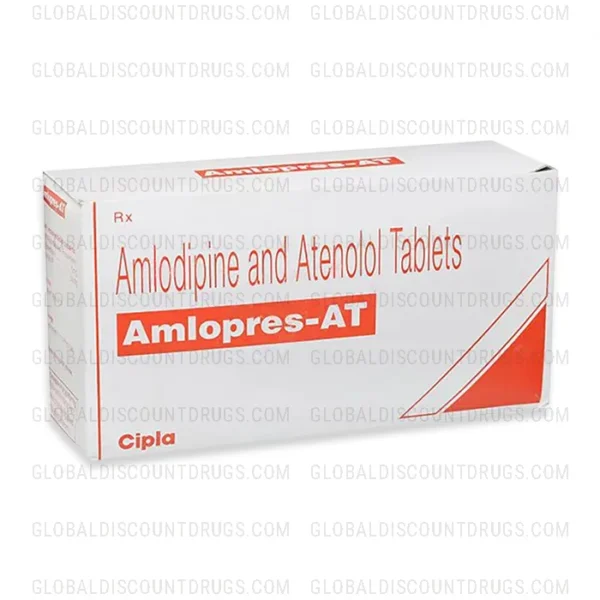
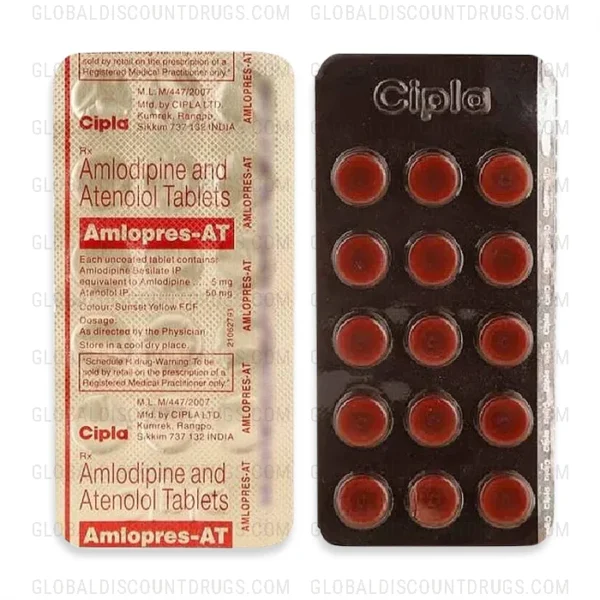
Amlodipine-Atenolol 5mg-50mg
In StockAmlodipine 5mg-Atenolol 50mg is a prescription combination tablet pairing a calcium channel blocker with a beta-blocker, used to manage hypertension. Do not stop taking abruptly without medical advice.
| Active Ingredient: | Amlodipine-Atenolol |
|---|---|
| Indication: | Hypertension |
| Strength: | 5mg-50mg |
| Dosage Form: | Tablets |
| Manufacturer: | Cipla Limited |

Amlodipine-Atenolol 5mg-50mg: Quick Overview
Amlodipine-Atenolol 5mg-50mg is a prescription combination drug used to treat high blood pressure (hypertension) and stable angina (chest pain). It pairs amlodipine, a calcium channel blocker, with atenolol, a beta-blocker, to relax blood vessels and reduce heart rate. Together, these actions lower blood pressure and decrease cardiac workload. A valid prescription and ongoing medical supervision are required for safe use.
What Is Amlodipine-Atenolol 5mg-50mg?
Drug Class: Combination antihypertensive (Calcium Channel Blocker + Cardioselective Beta-Blocker)
Active Ingredients: Amlodipine 5mg (dihydropyridine calcium channel blocker) and Atenolol 50mg (beta-1 selective adrenergic blocker)
Mechanism: Amlodipine blocks calcium from entering vascular smooth muscle cells, widening blood vessels. Atenolol blocks beta-1 receptors in the heart, reducing heart rate and cardiac output.
Available Form: Oral tablet
Dosing Frequency: Typically once daily, as prescribed
Regulatory Status: Prescription-only. Both amlodipine and atenolol are individually FDA-approved cardiovascular agents used together based on physician assessment of individual patient needs.
Prescription and Regulatory Status
Amlodipine-Atenolol 5mg-50mg is a prescription-only medication in the United States. Both components are FDA-approved antihypertensive agents that require a licensed prescriber’s authorization before dispensing. A physician must assess your cardiovascular history, heart rate, kidney function, and current drug regimen before initiating therapy. Using this medication without medical supervision or adjusting the dose independently carries a serious risk of hypotension, bradycardia, and other cardiac complications.
Clinical Context: Why This Combination Is Prescribed
High blood pressure affects nearly 47% of adults in the United States and remains one of the leading modifiable risk factors for heart attack, stroke, kidney failure, and heart disease. When blood pressure stays elevated despite lifestyle modifications such as dietary changes and exercise, pharmacological treatment becomes essential to reduce long-term organ damage.
Stable angina develops when narrowed coronary arteries restrict oxygen supply to the heart, particularly during physical activity or emotional stress. Managing heart rate and blood vessel tension at the same time is central to reducing the frequency and intensity of angina episodes.
Monotherapy does not always achieve target blood pressure or symptom control for patients dealing with both conditions. A calcium channel blocker paired with a beta-blocker addresses two separate physiological mechanisms, often producing better outcomes than either drug used alone.
How Amlodipine-Atenolol 5mg-50mg Works
Amlodipine belongs to the dihydropyridine class of calcium channel blockers. It prevents calcium ions from entering smooth muscle cells in the walls of blood vessels, causing those vessels to relax and widen. This process, called vasodilation, lowers the resistance the heart faces when pumping blood, reducing both systolic and diastolic blood pressure. Amlodipine also dilates the coronary arteries directly, improving blood flow to the heart muscle and helping relieve angina.
Atenolol works differently. As a cardioselective beta-1 blocker, it targets receptors in the heart rather than throughout the body. By blocking beta-1 adrenergic receptors, it slows the heart rate and reduces the force of each contraction, which lowers the heart’s overall oxygen demand. Atenolol also counteracts the reflex increase in heart rate that calcium channel blockers can sometimes cause. Together, these two mechanisms produce a more consistent, sustained reduction in blood pressure across the full 24-hour dosing period.
Approved Uses and Indications
Hypertension (High Blood Pressure): Amlodipine-Atenolol 5mg-50mg is used to manage essential hypertension in adults whose blood pressure is not adequately controlled by a single medication. Reaching and maintaining a target blood pressure reduces the risk of stroke, heart attack, and kidney damage over time.
Stable Angina Pectoris: This combination is indicated for patients with chronic stable angina who experience chest tightness or discomfort triggered by exertion or emotional stress. Both drugs work through separate pathways to lower the heart’s oxygen demand and improve coronary blood flow.
Important Note: This medication is intended for chronic blood pressure and angina management, not for treating a sudden or severe chest pain episode. If you experience acute or worsening chest pain, seek emergency medical care immediately.
Dosage and Administration
Your prescribing physician determines the appropriate dose of Amlodipine-Atenolol 5mg-50mg based on your blood pressure readings, resting heart rate, kidney function, age, and overall health status. The information below is for general awareness only and is not a substitute for your doctor’s instructions.
Timing and Administration: This medication is generally taken once daily at the same time each day, with or without food. Consistent daily timing supports stable drug levels in the bloodstream.
Missed Dose: If you miss a dose, take it as soon as you remember, provided your next scheduled dose is not approaching. If the next dose is near, skip the missed one and resume your usual schedule. Never double up on doses to make up for one that was missed.
Do Not Stop Suddenly: Do not discontinue Amlodipine-Atenolol 5mg-50mg without first consulting your doctor. Stopping atenolol abruptly can cause rebound high blood pressure or worsen angina, and in patients with underlying coronary artery disease, it may increase the risk of serious cardiac events. A gradual, physician-supervised taper is standard practice when stopping this medication.
Side Effects
The majority of patients who take Amlodipine-Atenolol 5mg-50mg as prescribed tolerate it well, and many side effects are mild and tend to resolve as the body adjusts.
Common side effects include ankle or foot swelling (peripheral edema, more frequently associated with amlodipine), fatigue, dizziness, a slow heart rate, cold hands or feet, mild headache, flushing of the skin, and occasional nausea. These are generally not dangerous but should be reported to your physician if they persist, worsen, or affect your daily functioning.
Serious but less common side effects may include a significant drop in blood pressure causing fainting, worsening heart failure symptoms, depression, impaired blood sugar regulation in diabetic patients, and breathing difficulties in patients with underlying lung conditions.
Seek emergency care immediately if you experience any of the following:
- Sudden or severe chest pain or tightening
- Acute shortness of breath or wheezing
- Very slow or irregular heartbeat
- Swelling of the face, lips, tongue, or throat
- Fainting or sudden loss of consciousness
- Rapid unexplained weight gain, more than 2 pounds within a single day
Warnings, Precautions, and Drug Interactions
Contraindications: This medication must not be used in patients with severe bradycardia (resting heart rate below 45 beats per minute), second or third-degree atrioventricular heart block (without a pacemaker in place), cardiogenic shock, decompensated heart failure, or a confirmed allergy to amlodipine, atenolol, or any inactive ingredients in the tablet formulation.
Drug Interactions: This medication can interact with several other drugs. Using it alongside other antihypertensives, diuretics, or nitrates may cause additive drops in blood pressure. Combining atenolol with verapamil or diltiazem significantly increases the risk of heart block and severe bradycardia and should generally be avoided. Non-steroidal anti-inflammatory drugs (NSAIDs) such as ibuprofen and naproxen can reduce the blood pressure-lowering effectiveness of antihypertensives. Atenolol can blunt the body’s typical warning signs of low blood sugar, including palpitations and shakiness, in patients using insulin or oral antidiabetic medications. Disclose every prescription drug, over-the-counter medicine, dietary supplement, and herbal product to your physician and pharmacist before starting this medication.
Respiratory Conditions: Atenolol is cardioselective at standard doses but may still affect the airways at higher doses. Patients with asthma, chronic obstructive pulmonary disease, or any reactive airway disease should only use this medication under close medical supervision, with regular assessment for bronchospasm.
Pregnancy and Breastfeeding: Atenolol has been linked to fetal growth restriction, neonatal low blood sugar, and bradycardia when taken during pregnancy. It is generally not the first choice antihypertensive in pregnant women. Safety data for amlodipine in pregnancy is limited. Both drugs can pass into breast milk to some degree. Do not take this medication during pregnancy or while nursing without explicit direction from your obstetrician or cardiologist, who will weigh individual risks against potential benefits.
Diabetes and Blood Sugar Control: Because atenolol can mask certain hypoglycemia symptoms such as rapid heartbeat and tremors, patients with diabetes require more frequent glucose monitoring. Alert your diabetes care provider that you are on a beta-blocker so they can adjust your management plan accordingly.
Kidney and Liver Function: Amlodipine is metabolized primarily by the liver; patients with severe hepatic impairment may require a lower starting dose. Atenolol is eliminated through the kidneys, and patients with moderate to severe chronic kidney disease may need dose adjustments and more frequent monitoring.
Monitoring During Therapy: Your physician may recommend periodic checks of blood pressure, heart rate, kidney function (serum creatinine and eGFR), liver enzymes, fasting blood glucose, and serum electrolytes during treatment.
Who Should Not Take This Medication
- Patients with severe bradycardia (resting heart rate consistently below 45 beats per minute)
- Those with second or third-degree atrioventricular heart block without a functioning pacemaker
- Patients in cardiogenic shock or acute decompensated heart failure
- Those with severe aortic stenosis
- Patients with a documented allergy to amlodipine, atenolol, or any excipient in the tablet
- Pregnant women, unless a physician has explicitly assessed the risks and benefits for the individual patient
- Patients with severe or uncontrolled asthma, unless under close specialist-supervised monitoring
Storage Instructions
Store Amlodipine-Atenolol 5mg-50mg at room temperature, between 68 and 77 degrees Fahrenheit (20 to 25 degrees Celsius). Keep the tablets in their original container, away from direct sunlight, excessive heat, and high humidity. Bathroom storage is not recommended due to fluctuating moisture levels. Keep this and all medications well out of the reach of children and pets. Do not use tablets after the expiration date on the label. For safe disposal, use a local pharmacy take-back program or follow FDA guidelines on medication disposal.
Frequently Asked Questions
Is Amlodipine-Atenolol 5mg-50mg a prescription-only medication?
Yes, this is a prescription-only medication in the United States. A licensed physician must evaluate your heart rate, blood pressure, kidney function, and current medications before prescribing it. Both atenolol and amlodipine have significant cardiovascular effects that require individualized dosing and monitoring. Dispensing this drug without a valid prescription is not permitted by law.
How long does it take for Amlodipine-Atenolol 5mg-50mg to work?
Amlodipine typically begins lowering blood pressure within 24 to 48 hours, with full effects reached over one to two weeks. Atenolol’s heart rate slowing and blood pressure effects become noticeable within several hours of the first dose. Most patients see meaningful, consistent blood pressure improvement within two to four weeks of regular use.
Can I stop taking Amlodipine-Atenolol 5mg-50mg on my own?
No. Stopping this medication without medical guidance is not safe. Abruptly discontinuing atenolol can cause rebound high blood pressure and may worsen angina or trigger cardiac events in patients with coronary artery disease. Your physician will guide a gradual tapering schedule if the medication needs to be stopped. Always consult your doctor before making any changes to your regimen.
What medications interact with Amlodipine-Atenolol 5mg-50mg?
Known interactions include verapamil, diltiazem, other antihypertensives, diuretics, nitrates, NSAIDs such as ibuprofen, and insulin or oral diabetes medications. Atenolol can mask low blood sugar warning signs in diabetic patients. Inform your physician and pharmacist about every drug, supplement, and herbal product you take before starting this combination.
What should I do if I miss a dose?
Take the missed dose as soon as you remember, unless your next scheduled dose is approaching. If it is close to that time, skip the missed dose and continue your regular schedule. Do not take two doses at once to compensate. If missed doses become a pattern, speak with your pharmacist about tools or reminders that support consistent medication adherence.
What is the cost of Amlodipine-Atenolol 5mg-50mg without insurance?
The cost without insurance depends on the seller, brand availability, and pack size, and may also vary by location and applicable discounts. Since both components are available as generics, this therapy may be generally affordable at many pharmacies. Asking your pharmacist about generic options, discount cards, or patient assistance programs can help reduce your out-of-pocket cost.
How can I order Amlodipine-Atenolol 5mg-50mg online?
A valid prescription from a licensed physician is required to order this medication online. The standard process involves uploading your prescription or having your doctor transmit it directly to a licensed online pharmacy, followed by home delivery. Purchase only from a verified, state-licensed pharmacy to ensure you receive authentic medication and protect your personal health information.
Is Amlodipine-Atenolol 5mg-50mg available over the counter?
No, this medication is not available over the counter in the United States or most other countries. Both atenolol and amlodipine are prescription-only drugs requiring a physician’s evaluation before use. Dispensing either component without a valid prescription is not permitted, as unsupervised use carries a real risk of serious cardiovascular harm.
Resources
- Amlodipine Drug Information, MedlinePlus – https://medlineplus.gov/druginfo/meds/a692044.html
- Atenolol Drug Information, MedlinePlus – https://medlineplus.gov/druginfo/meds/a684031.html
- High Blood Pressure, American Heart Association – https://www.heart.org/en/health-topics/high-blood-pressure
- Drug Interactions: What You Should Know, FDA – https://www.heart.org/en/health-topics/high-blood-pressure
- High Blood Pressure, Centers for Disease Control and Prevention – https://www.heart.org/en/health-topics/high-blood-pressure
References
- MedlinePlus, U.S. National Library of Medicine. Amlodipine. Available at: https://medlineplus.gov/druginfo/meds/a692044.html
- U.S. Food and Drug Administration. Atenolol Tablets Prescribing Information. Available at: https://www.accessdata.fda.gov/drugsatfda_docs/label/2012/018240s028lbl.pdf
- Whelton PK, Carey RM, Aronow WS, et al. 2017 ACC/AHA Guideline for the Prevention, Detection, Evaluation, and Management of High Blood Pressure in Adults. Journal of the American College of Cardiology. 2018;71(19):e127-e248. Available at: https://www.ahajournals.org/doi/10.1161/HYP.0000000000000065
Medical Disclaimer:
This content is for informational purposes only and does not constitute medical advice, diagnosis, or treatment. Consult a qualified specialist or physician before using Amlodipine-Atenolol 5mg-50mg. Read our full medical disclaimer for more details
Prescription Required (Rx) to Buy?
This medication is not available over the counter. A valid prescription from a licensed healthcare
professional is required. Always consult your doctor before use.
| Quantity | 120, 180, 240, 60 |
|---|---|
| Indication | Hypertension |
| Active Ingredient | Amlodipine-Atenolol |
| Pharmaceutical Form | Tablets |
| Manufacturer | Cipla Limited |
| Indian Brand | Amlopres AT 50mg |
| US Brand Name | Amlodipine-Atenolol |
| Generic Name | Amlodipine-Atenolol |
| Dosage | 5mg-50mg |
| Drug Type | Tablets |