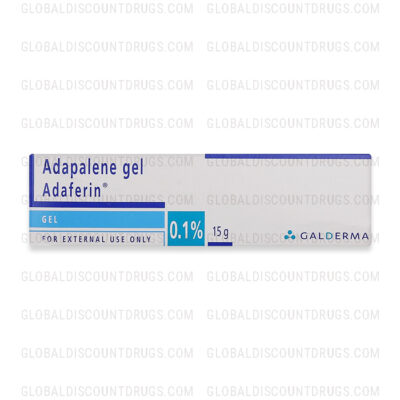

Adapalene-Clindamycin 0.1%-1% Gel-20g
In StockAdapalene-Clindamycin 0.1%-1% Gel (20g) is a prescription topical acne treatment that combines a retinoid-like compound with an antibiotic. Adapalene helps prevent clogged pores, while clindamycin reduces acne-causing bacteria and inflammation. Use it only as prescribed, apply a thin layer, protect skin from sun, and report severe diarrhea or irritation.
| Strength: | 0.1%-1% 20g |
|---|---|
| Dosage Form: | Tubes |
| Manufacturer: | Glenmark |
Adapalene-Clindamycin 0.1%-1% Gel (20g) – Quick Overview
Adapalene-Clindamycin 0.1%-1% Gel (20g) is a prescription topical acne treatment combining a retinoid-like compound with an antibiotic. It is used to treat acne vulgaris, with adapalene helping prevent clogged pores and clindamycin reducing acne-causing bacteria and inflammation. It should be used only as prescribed by a licensed clinician, with attention to skin irritation and diarrhea warning signs.
Medical Supervision & Regulatory Status
This gel is a prescription-only medicine because it contains clindamycin, an antibiotic. In the US, adapalene and clindamycin gels are FDA-approved as separate products, and this exact fixed combination is not an FDA-approved product. It should be dispensed only by a licensed pharmacy on a prescriber’s order. Supervision helps confirm the diagnosis, limits antibiotic resistance, and allows monitoring for irritation and bowel-related side effects.
Clinical Context
Acne vulgaris is a common skin condition caused by clogged pores, excess oil, acne-related bacteria, and inflammation, leading to blackheads, whiteheads, and inflamed pimples.
Treating acne early may help reduce ongoing breakouts and the risk of scarring or dark marks. Persistent acne can also affect confidence, which is a valid reason to seek care.
Guidelines generally favor combining a topical retinoid with a topical antibiotic, and often benzoyl peroxide, to target several acne causes at once and reduce antibiotic resistance. Your prescriber decides whether this combination suits your acne.
How Adapalene-Clindamycin Gel Works
Adapalene-Clindamycin Gel works on two acne causes at once: adapalene normalizes pore lining cells, and clindamycin lowers acne-related bacteria and inflammation.
Adapalene is a retinoid-like compound that binds retinoic acid receptors and modulates skin cell differentiation. This helps reduce the formation of microcomedones, the earliest clogged-pore lesions.
Clindamycin is a lincosamide antibiotic that slows the growth of acne-related bacteria, and it may also reduce redness and swelling. Together, they may lead to fewer new lesions over time, though results vary between people.
What Is Adapalene-Clindamycin 0.1%-1% Gel?
Adapalene-Clindamycin Gel is a prescription combination gel for acne. Key facts:
- Drug class: Retinoid-like compound + lincosamide antibiotic (topical acne agents)
- Active ingredients: Adapalene 0.1% and clindamycin (as phosphate) 1%
- Mechanism: Normalizes pore cell turnover and reduces acne-related bacteria and inflammation
- Form: Gel, 20g tube, for skin use only
- Dosing frequency: As directed by your prescriber, commonly a thin layer once daily in the evening
- Regulatory status: Prescription only (Rx); not an FDA-approved single-product combination in the US
Uses / Indications
The intended use of this gel is limited to acne vulgaris, and both components are FDA-labeled for acne in people 12 years and older.
- Acne vulgaris: Used for blackheads, whiteheads, and inflamed pimples. Its safety and effectiveness for other skin conditions have not been established, so it should not be used for them unless your prescriber directs otherwise.
How to Use / Dosage
Use this gel exactly as your prescriber and pharmacy label direct, because your doctor determines the schedule and duration for your skin.
Timing: Wash the affected area with a mild cleanser and pat dry. Apply a thin layer to acne-prone areas, generally in the evening, wash your hands afterward, and use sunscreen in the daytime.
Where to avoid: Keep it away from the eyes, lips, corners of the nose, mucous membranes, and cuts or broken skin. It is not for oral, eye, or vaginal use.
Missed dose: Skip it and apply your next dose at the usual time. Do not double up.
Do not stop suddenly without advice: Stopping early may allow acne to return. If irritation is bothersome, ask about applying less often.
Side Effects
Most people tolerate topical acne gels well, and mild skin irritation is common, especially during the first weeks of use.
Common effects: Dryness, redness, peeling, itching, burning or stinging, and a temporary flare-up of acne as the skin adjusts.
Serious effects: Severe skin irritation, blistering, or allergic reactions can occur. Topical clindamycin has been associated with severe diarrhea and colitis, including Clostridioides difficile–associated colitis, which is uncommon but important to recognize. Overuse does not improve results and may cause marked redness and peeling.
Emergency warning signs (seek medical help promptly):
- Severe, watery, or bloody diarrhea
- Severe stomach cramps or pain
- Swelling of the face, lips, tongue, or throat
- Difficulty breathing or widespread hives
- Severe blistering or oozing skin
- Severe sunburn-like reaction after sun exposure
- Persistent eye pain after accidental eye contact
Warnings & Precautions
Adapalene-Clindamycin Gel needs careful use because it can irritate skin, increase sun sensitivity, and, rarely, affect the bowel.
Contraindications and sensitivity: Do not use it if you are allergic to adapalene, clindamycin, lincomycin, or any ingredient in the gel. Clindamycin products are generally avoided in people with a history of ulcerative colitis, regional enteritis (Crohn’s disease), or antibiotic-associated colitis. Tell your prescriber about eczema, which can make irritation worse.
Drug and product interactions: Topical clindamycin may be less effective when used with erythromycin-containing products, and clindamycin may add to the effects of neuromuscular-blocking medicines. Use caution with medicated or abrasive cleansers, alcohol-based astringents, strongly drying products, and products containing benzoyl peroxide, sulfur, or salicylic acid unless your prescriber approves. Tell your clinician about medicines that increase sun sensitivity, such as thiazide diuretics, tetracyclines, fluoroquinolones, and sulfonamides.
Sun exposure and skin care: Limit sunlight, avoid tanning beds and sunlamps, and use sunscreen and protective clothing. Avoid waxing or harsh exfoliation on treated skin.
Pregnancy and breastfeeding: Tell your prescriber if you are pregnant, planning pregnancy, or breastfeeding. Your doctor will weigh benefit against risk. If breastfeeding, apply the smallest amount and avoid the nipple and areola area.
Special populations and monitoring: Use in children under 12 has not been established. Your prescriber may review your progress after several weeks and limit antibiotic use to the shortest effective period to reduce resistance.
Who Should Not Use This Medication
Discuss with your prescriber before use, and avoid the product if any of these apply:
- Known allergy to adapalene, clindamycin, lincomycin, or any ingredient in the gel
- History of ulcerative colitis, Crohn’s disease, or antibiotic-associated colitis
- Sunburned skin, cuts, abrasions, or eczematous skin at the application site (unless your prescriber advises)
- Pregnancy or planned pregnancy, unless your doctor decides the benefit outweighs the risk
- Children under 12
- Use on the eyes, mouth, or mucous membranes
Storage Instructions
Store the gel at room temperature, about 68–77°F (20–25°C), unless the pharmacy label says otherwise. Keep the cap tightly closed and protect the tube from excess heat, moisture, and direct light. Keep it out of reach of children and pets, and do not use it after the expiration or beyond-use date on the label.
Frequently Asked Questions
What is the cost of Adapalene-Clindamycin Gel without insurance?
The cost without insurance depends on the seller, brand availability, and pack size, and may also vary by location and discounts. Generic acne gels are generally more affordable than brand-name products. Compare licensed US pharmacies, ask about generic or component options with your prescriber, and confirm the final price before ordering.
How can I order Adapalene-Clindamycin Gel online?
You can order it online only with a valid prescription from a licensed US prescriber. Upload your prescription or have your doctor send it, then order from a licensed pharmacy for home delivery. Because availability of this exact combination can vary, use only verified pharmacies, such as those with a state license or NABP accreditation.
Is Adapalene-Clindamycin Gel available over the counter?
No, this combination gel is not available over the counter in the US and most countries. Adapalene 0.1% alone is sold OTC, but clindamycin is prescription-only, so the combination requires a prescription. Regulations vary by region, and medical supervision helps ensure the antibiotic is used safely and skin irritation is monitored.
Does Adapalene-Clindamycin Gel require a prescription?
Yes, this gel requires a prescription in the US. A clinician confirms your acne type, reviews your medical history, including any bowel conditions such as colitis, and checks pregnancy status. Follow-up visits allow monitoring for irritation, diarrhea, and treatment response, helping keep topical antibiotic use safe and limiting bacterial resistance.
How long does Adapalene-Clindamycin Gel take to work?
Some improvement may appear within a few weeks, but full results often take about 8 to 12 weeks. Early dryness, redness, or a temporary flare can occur as skin adjusts. Keep using it as prescribed, and tell your prescriber if irritation is severe or acne does not improve after several weeks.
Is it safe to stop using Adapalene-Clindamycin Gel suddenly?
It is not typically associated with withdrawal effects, but stop or pause only with your prescriber’s guidance. Stopping early may allow acne to return. Stop and seek prompt medical help for severe or bloody diarrhea, stomach cramps, or allergic reaction signs. If irritation is troublesome, ask about applying less often.
Does Adapalene-Clindamycin Gel interact with other medicines or skin products?
Yes, avoid other irritating skin products and certain antibiotics unless your prescriber approves. Erythromycin-containing products may reduce clindamycin’s effect, and medicated or abrasive cleansers, alcohol-based astringents, and benzoyl peroxide or salicylic acid products may add irritation. Tell your clinician about muscle relaxants (neuromuscular blockers) and medicines that increase sun sensitivity.
What should I do if I miss a dose of Adapalene-Clindamycin Gel?
Skip the missed application and apply your next dose at the usual time. Do not apply extra gel or double up. Using more than prescribed does not speed results and may cause marked redness, peeling, or dryness, while excess antibiotic use can add to resistance and side effects. Use a thin layer only.
References
- MedlinePlus (NIH/NLM). Adapalene:
https://medlineplus.gov/druginfo/meds/a604001.html - MedlinePlus (NIH/NLM). Clindamycin Topical:
https://medlineplus.gov/druginfo/meds/a609005.html
Disclaimer:
This content is for informational purposes only and does not constitute medical advice, diagnosis, or treatment. Consult a qualified specialist or physician before using Adapalene-Clindamycin 0.1%-1% Gel (20g).
Prescription Required (Rx) to Buy?
This medication is not available over the counter. A valid prescription from a licensed healthcare
professional is required. Always consult your doctor before use.
| Quantity | 12, 3, 6, 9 |
|---|---|
| Manufacturer | Glenmark |
| Indian Brand | Deriva-Cms Gel 20gm |
| US Brand Name | Adapalene-Clindamycin | Differin |
| Dosage | 0.1%-1% 20g |
| Drug Type | Tubes |