
Acetazolamide
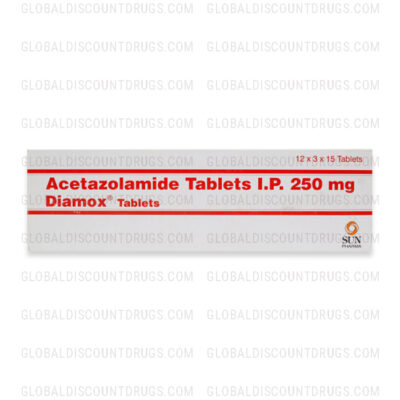
In StockAcetazolamide is a foundational carbonic anhydrase inhibitor used to treat conditions including glaucoma, epilepsy, and acute mountain sickness. In the eye, it decreases the production of aqueous humor to lower intraocular pressure, preventing vision loss. Systemically, it acts as a diuretic and aids in correcting metabolic alkalosis. This versatile API is crucial for managing conditions where regulating fluid and ion balance is essential.

What Is Acetazolamide?
Acetazolamide is a prescription medication in the carbonic anhydrase inhibitor drug class. It is a sulfonamide-derived medicine that is taken by mouth or given by injection into a vein.
Approved uses and common prescribed uses
- Glaucoma: lower eye pressure in certain types of glaucoma, including before surgery for acute angle-closure glaucoma.
- Edema (fluid retention): treat swelling caused by heart failure or by certain medicines.
- Epilepsy: used with other medicines for certain types of seizures.
- Acute mountain sickness: help prevent or reduce symptoms such as headache, nausea, and dizziness at high altitude.
- Other prescribed uses: specialists also prescribe it for conditions such as idiopathic intracranial hypertension (high pressure around the brain). Use for these conditions is directed by a specialist.
Available formulations and strengths
- Tablets: commonly 125 mg and 250 mg
- Extended-release capsules: commonly 500 mg
- Injection (for hospital or clinic use): commonly 500 mg per vial
Availability varies by country and brand. Each strength has its own detailed page.
What Is the Recommended Dosage of Acetazolamide?
Dosing depends on several factors:
- Condition being treated: Glaucoma, fluid retention, seizures, and altitude sickness each use different doses and schedules.
- Age: Children and older adults may need special care. Use in children should be directed by a pediatric specialist.
- Body weight: Weight may be used to set the dose in children.
- Organ function: Kidney and liver function strongly affect how the body handles this medicine. Doses may need to be lowered, or the medicine may need to be avoided.
Dosage forms: tablets, extended-release capsules, and injection.
Dosing must follow your prescriber’s instructions and the product label. For altitude sickness, your specialist will tell you when to start before you travel. Do not crush or open extended-release capsules unless your label says it is safe. Do not change the amount or how often you take it without speaking with your specialist. Taking more does not improve results and may increase side effects.
How Acetazolamide Works
Acetazolamide blocks an enzyme called carbonic anhydrase. This enzyme helps control fluid and acid-base balance in the body.
- In the eye: It reduces the amount of fluid the eye produces, which lowers eye pressure.
- In the kidneys: It causes the body to pass more sodium, bicarbonate, and water in the urine, which helps reduce fluid buildup.
- At high altitude: It makes the blood slightly more acidic, which encourages deeper breathing and helps the body adjust to lower oxygen levels.
- In seizures: The exact way it helps is not fully understood.
Acetazolamide manages or helps prevent these conditions but does not cure the underlying cause. Symptoms may return if treatment is stopped. For altitude sickness, slow ascent remains the most important prevention step.
Is a Prescription Required to Buy Acetazolamide Online?
Yes. Acetazolamide is prescription-only. A licensed specialist must evaluate you first:
- an ophthalmologist for glaucoma or high eye pressure
- a cardiologist for fluid retention related to heart conditions
- a neurologist for seizures or high pressure around the brain
- a travel or altitude medicine physician for altitude sickness prevention
Safety when buying online
- Purchase only from licensed, verified pharmacies that require a valid prescription.
- Avoid websites that sell prescription medicines without a prescription.
- Counterfeit or expired medicines may be unsafe or ineffective. Do not use veterinary products.
- Check the packaging, labeling, and seal on arrival, and ask a pharmacist if anything looks unusual.
Side Effects of Acetazolamide
Common Side Effects
- Tingling or numbness in the hands, feet, or around the mouth
- Changes in taste (carbonated drinks may taste flat or unpleasant)
- Increased urination, especially early in treatment
- Loss of appetite, nausea, or upset stomach
- Tiredness, drowsiness, or dizziness
- Headache
- Ringing in the ears
Serious Side Effects
These are uncommon but need prompt attention.
- Severe skin reactions: widespread rash, blistering, peeling skin, or sores in the mouth, eyes, or genitals
- Signs of a severe allergic reaction: swelling of the face, lips, tongue, or throat; hives; trouble breathing
- Blood problems: unusual bruising or bleeding, fever, sore throat, or extreme tiredness
- Signs of liver problems: yellow skin or eyes, dark urine, or severe stomach pain
- Signs of metabolic acidosis or electrolyte imbalance: fast breathing, confusion, severe weakness, muscle cramps, or irregular heartbeat
- Kidney stones: severe pain in the side or back, or blood in the urine
- Confusion, severe drowsiness, or seizures
Seek emergency medical care for trouble breathing, swelling of the face or throat, widespread skin blistering or peeling, or fainting. Contact your specialist promptly if side effects are bothersome or do not go away.
Drug Interactions
Acetazolamide may interact with:
- Aspirin and other salicylates (high doses): may build up in the body and cause toxicity
- Lithium: acetazolamide may change lithium levels
- Seizure medicines, such as phenytoin, primidone, carbamazepine, and topiramate, which may change drug levels or increase the risk of bone, kidney stone, or acid-base problems
- Digoxin and other heart medicines: low potassium from acetazolamide may increase the risk of heart rhythm problems
- Other diuretics (water pills): may increase the risk of low potassium or low sodium
- Diabetes medicines: may change blood sugar levels
- Cyclosporine: acetazolamide may raise its levels
- Medicines affected by urine acidity, such as amphetamines, quinidine, and pseudoephedrine, whose effects may be stronger, and methenamine, which may work less well
- Sodium bicarbonate: may raise the risk of kidney stones
OTC medicines, supplements, and herbal products, including aspirin-containing pain relievers, cold remedies, antacids, and potassium or bicarbonate supplements, may also interact. Give your licensed specialist and pharmacist a full list of everything you take, including eye drops, creams, vitamins, and supplements.
Safety & Important Considerations
- Sulfa allergy: Tell your specialist if you have ever had an allergic reaction to sulfonamide (sulfa) medicines. Cross-reactions can occur.
- Liver or kidney disease: Acetazolamide may need to be avoided or used at lower doses. Kidney stone history should also be shared.
- Blood tests: Your specialist may check blood counts, potassium, sodium, and bicarbonate levels, especially with long-term use.
- Pregnancy and breastfeeding: Use during pregnancy, especially the first trimester, should only occur if the benefit outweighs the risk, as decided by your specialist. Small amounts pass into breast milk, so discuss use with your specialist.
- Children: Use only under the direction of a pediatric specialist.
- Older adults: May be more sensitive to dizziness, dehydration, confusion, and electrolyte problems.
- Diabetes: Blood sugar may change, so monitor as advised.
- Lung disease: Use caution in severe breathing disease, as acid-base changes may worsen breathing problems.
- Hydration: Drink fluids as your specialist advises, which may help lower kidney stone risk.
- Driving and machinery: Acetazolamide may cause drowsiness, dizziness, or confusion. Avoid these activities until you know how it affects you.
- Altitude use: The medicine does not replace slow ascent. Seek medical help and descend if symptoms become severe.
Who This Medication Is For
- Adults, and in some cases children, with certain types of glaucoma, as directed by an eye specialist
- People with fluid retention from heart failure or certain medicines
- People with certain seizure disorders, as part of a treatment plan
- Travelers at risk of acute mountain sickness, as directed by their healthcare professional
Who Should Not Take Acetazolamide
- Anyone allergic to acetazolamide, sulfonamides, or any ingredient in the product
- People with severe kidney or liver disease
- People with very low sodium or potassium levels
- People with adrenal gland failure (Addison’s disease)
- People with hyperchloremic acidosis (excess acid in the blood)
- People with long-term use for chronic non-congestive angle-closure glaucoma
Tell your specialist about all medical conditions before starting treatment.
What to Do If You Miss a Dose
- Take the missed dose as soon as you remember.
- If it is almost time for the next dose, skip the missed one and return to your usual schedule.
- Do not double the dose to make up for a missed one.
- If you are using it for altitude sickness and miss doses, contact your specialist for guidance.
- If you are unsure what to do, contact your licensed specialist or pharmacist.
Related medications to Acetazolamide
Only a licensed specialist can decide whether a different treatment suits you.
For glaucoma or high eye pressure
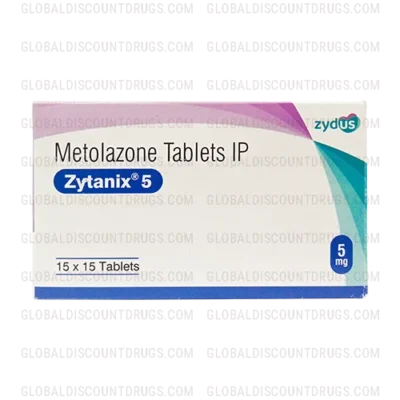
- Other carbonic anhydrase inhibitors (for example, methazolamide, dorzolamide, brinzolamide)
- Prostaglandin analogs, beta-blockers, or alpha-2 agonists
- Laser therapy or surgery in some cases
For fluid retention
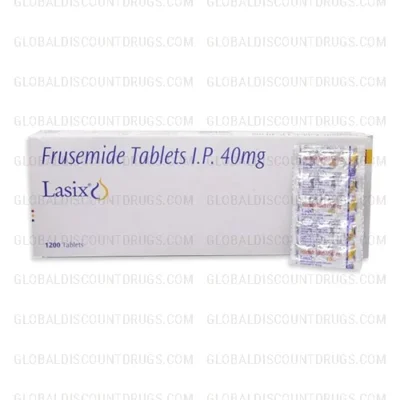
- Loop diuretics (for example, furosemide)
- Thiazide diuretics or other heart failure medicines
For acute mountain sickness
- Slow ascent and rest days
- Dexamethasone, in some cases, as directed by a specialist
For seizures or intracranial pressure conditions
- Other antiseizure medicines or treatments chosen by a neurologist
Do not stop or switch treatments on your own. Changes should be made only after consultation with your specialist.
Storage Instructions
- Store at room temperature, typically 68°F to 77°F (20°C to 25°C), unless your label says otherwise.
- Keep containers tightly closed and protect from moisture, heat, and direct light.
- Do not freeze.
- Keep out of reach and sight of children. Accidental swallowing can be dangerous for young children. Seek emergency help if this happens.
- Do not use past the expiration date. Follow your label and pharmacist’s guidance on disposal.
Disclaimer:
This page is for educational purposes only. It is not a substitute for professional medical advice, diagnosis, or treatment. Patients must consult a licensed ophthalmologist (for eye conditions), cardiologist (for heart conditions), neurologist (for seizure or nervous system conditions), or another relevant medical specialist before starting, changing, or stopping treatment. Treatment decisions must be based on a full clinical evaluation by a qualified specialist.
Prescription Required (Rx) to Buy?
This medication is not available over the counter. A valid prescription from a licensed healthcare
professional is required. Always consult your doctor before use.