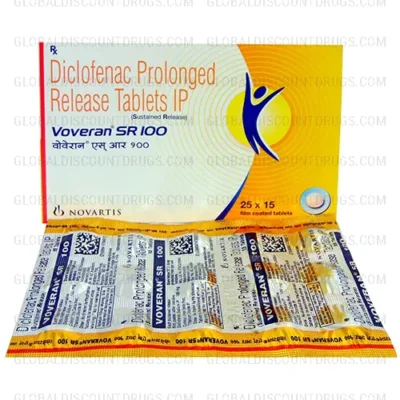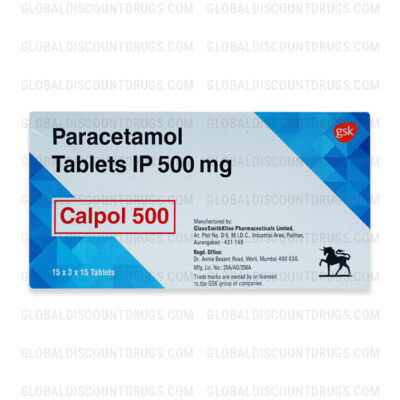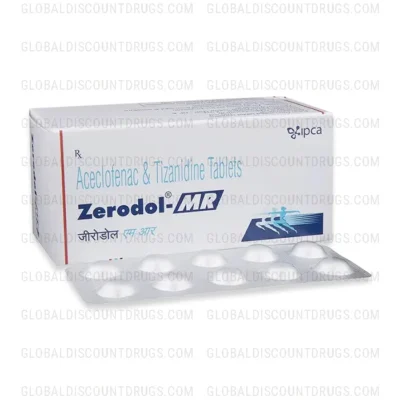

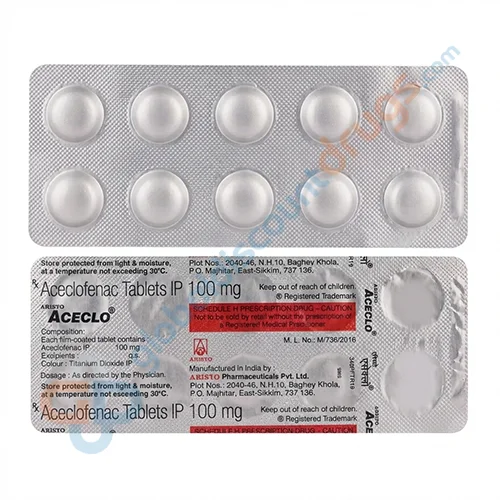
Aceclofenac 100mg
In Stock| Active Ingredient: | Aceclofenac |
|---|---|
| Indication: | Pain and Inflammation |
| Strength: | 100mg |
| Dosage Form: | Tablets |
| Manufacturer: | Aristo Pharmaceuticals |

Aceclofenac 100mg – Quick Overview
Aceclofenac 100mg is a prescription non-steroidal anti-inflammatory drug (NSAID) used to relieve pain, swelling, and stiffness associated with conditions like osteoarthritis, rheumatoid arthritis, and ankylosing spondylitis. It works by blocking prostaglandin synthesis to reduce inflammation. This medicine should only be used under a qualified physician’s guidance.
Medical Supervision & Regulatory Status
Aceclofenac 100mg is a Schedule H prescription medicine in India and is similarly regulated in the UK, EU, and several Asian countries. It is not available over the counter. Regulatory bodies classify it as a prescription-only medication because its use requires medical evaluation to rule out contraindications such as peptic ulcers, renal impairment, and cardiovascular risk. A doctor’s supervision ensures safe dosing, appropriate duration, and monitoring for serious adverse effects.
Clinical Context
Chronic pain from joint diseases significantly reduces a patient’s quality of life, making routine activities like walking, climbing stairs, or holding objects difficult. Conditions like osteoarthritis and rheumatoid arthritis involve progressive joint damage driven by persistent inflammation that, if left inadequately treated, worsens over time.
Effective pain management is a cornerstone of treatment in musculoskeletal diseases. Uncontrolled inflammation accelerates cartilage degradation and joint destruction, making early and appropriate pharmacological intervention clinically important.
Aceclofenac 100mg fits within the first-line pain management approach for mild to moderate musculoskeletal pain. It is often prescribed when simple analgesics such as paracetamol are insufficient, and when a targeted anti-inflammatory effect is needed alongside pain relief.
How Aceclofenac 100mg Works
Aceclofenac belongs to the phenylacetic acid group of NSAIDs. It exerts its therapeutic effects primarily by inhibiting cyclooxygenase (COX) enzymes — specifically COX-1 and COX-2 — which are responsible for producing prostaglandins, the chemical mediators of pain and inflammation in the body.
By reducing prostaglandin levels at sites of tissue injury or joint inflammation, Aceclofenac decreases swelling, warmth, redness, and pain. Some research also suggests that Aceclofenac may have a partial preference for COX-2 inhibition, which may be associated with a comparatively better gastric tolerability profile than older NSAIDs, though gastrointestinal monitoring remains essential.
For patients, this translates into meaningful relief from joint pain and stiffness — improving mobility, function, and overall comfort during daily activities when used as prescribed.
What is Aceclofenac 100mg?
Drug Class: Non-Steroidal Anti-Inflammatory Drug (NSAID) – Phenylacetic acid derivative
Active Ingredient: Aceclofenac 100mg
Mechanism: Inhibits COX-1 and COX-2 enzymes, reducing prostaglandin synthesis to relieve pain and inflammation.
Available Forms: Tablets, Modified-Release Tablets
Dosing Frequency: Typically twice daily (as directed by physician)
Regulatory Status: Prescription-only medicine (Schedule H in India; POM in UK/EU)
Uses / Indications
Aceclofenac 100mg is approved and clinically used for the following conditions:
Osteoarthritis: Used to manage pain, tenderness, and stiffness in weight-bearing joints such as the knees and hips caused by degenerative cartilage changes.
Rheumatoid Arthritis: Used to reduce joint inflammation, swelling, and pain in patients with this chronic autoimmune condition affecting multiple joints.
Ankylosing Spondylitis: Used to relieve lower back pain and spinal stiffness in this inflammatory spinal condition that can lead to vertebral fusion if poorly managed.
Acute Musculoskeletal Pain: May be prescribed for short-term relief of pain from sports injuries, sprains, and post-operative inflammation when clinically appropriate.
Dental and Post-Operative Pain: Sometimes used under medical guidance for short-duration management of moderate pain following surgical procedures.
How to Use / Dosage
The standard adult dose of Aceclofenac is one 100mg tablet taken twice daily — once in the morning and once in the evening — preferably with food or milk to reduce the risk of stomach irritation. Your doctor will determine the most appropriate dose and duration based on your specific condition, age, kidney function, and other health factors. Do not self-adjust the dose.
Timing: Take at the same times each day to maintain consistent blood levels. Always take with a meal or a glass of milk to protect the stomach lining.
Missed Dose: If you miss a dose, take it as soon as you remember — unless it is nearly time for your next dose. In that case, skip the missed dose and continue your regular schedule. Do not double the dose to make up for a missed one.
Do Not Stop Suddenly: Even if you feel better, do not stop taking Aceclofenac without speaking to your doctor. Abrupt discontinuation may cause a return of symptoms. Your physician will advise you on safely tapering or stopping the medication.
Side Effects
Most patients tolerate Aceclofenac 100mg reasonably well when taken as prescribed and for the recommended duration. However, like all NSAIDs, it can cause side effects, and it is important to be aware of them.
Common Side Effects: Some patients may experience nausea, indigestion, stomach discomfort, diarrhea, dizziness, or headaches. These effects are generally mild and often improve as your body adjusts to the medication. Taking the tablet with food can help minimize gastrointestinal discomfort.
Serious Side Effects: Less commonly, Aceclofenac may cause elevated liver enzymes, fluid retention (edema), increased blood pressure, or allergic skin reactions. Prolonged use may affect kidney function or increase the risk of cardiovascular events. These are uncommon but require immediate medical attention if they occur.
Emergency Warning Signs — Seek Immediate Medical Help If You Notice:
- Severe stomach pain, black or tarry stools, or vomiting blood (signs of GI bleeding)
- Chest pain, sudden shortness of breath, or swelling in one leg (possible cardiovascular event)
- Yellowing of the skin or eyes (jaundice — potential liver involvement)
- Sudden decrease in urine output or swelling in both legs (kidney-related)
- Severe skin rash, blistering, or peeling (possible serious allergic reaction)
- Swelling of the face, lips, or throat with difficulty breathing (anaphylaxis)
- Unusual bruising or persistent bleeding
Warnings & Precautions
Gastrointestinal Risk: Aceclofenac, like all NSAIDs, can cause serious gastrointestinal complications including peptic ulcers, bleeding, and perforation. These can occur without warning symptoms, particularly in elderly patients. Your doctor may co-prescribe a proton pump inhibitor (PPI) such as omeprazole to protect your stomach lining during therapy.
Cardiovascular Considerations: NSAIDs, including Aceclofenac, may increase the risk of serious cardiovascular events such as heart attack or stroke, especially with prolonged use or in patients with pre-existing heart conditions. Use the lowest effective dose for the shortest necessary duration, as advised by your doctor.
Kidney Function: Aceclofenac may impair kidney function, particularly in patients who are elderly, dehydrated, or have pre-existing renal impairment. Kidney function should be monitored during long-term therapy. Avoid use in patients with severe renal impairment.
Liver Monitoring: Elevated liver enzymes have been reported with Aceclofenac use. Patients with hepatic disease or those on long-term therapy should have periodic liver function tests. Discontinue immediately if signs of liver injury develop.
Drug Interactions: Aceclofenac may interact with several important medications. Concurrent use with anticoagulants (e.g., warfarin) increases bleeding risk significantly. Combining it with other NSAIDs or aspirin (except low-dose aspirin) is not recommended. It may reduce the effectiveness of antihypertensive drugs such as ACE inhibitors (e.g., enalapril) and diuretics. Co-administration with methotrexate requires caution due to risk of methotrexate toxicity. Lithium levels may increase when used alongside Aceclofenac. Always inform your doctor of all medications you are taking.
Pregnancy and Breastfeeding: Aceclofenac is contraindicated during the third trimester of pregnancy as it may cause premature closure of the fetal ductus arteriosus and may inhibit uterine contractions. Use during the first and second trimesters is not recommended unless clearly necessary. It is not advised during breastfeeding due to potential passage into breast milk. Discuss all pregnancy and breastfeeding concerns with your doctor.
Special Populations: Elderly patients are at greater risk of gastrointestinal bleeding, cardiovascular events, and renal impairment with NSAID use. Lower doses and closer monitoring are typically warranted. Use with caution in patients with asthma, as NSAIDs can trigger bronchospasm in aspirin-sensitive individuals.
Monitoring: Long-term use requires periodic monitoring of renal function, liver function, complete blood count, and blood pressure.
Who Should Not Use This Medication
The following individuals should not use Aceclofenac 100mg without specific medical clearance:
- Patients with a known allergy or hypersensitivity to Aceclofenac, diclofenac, or other NSAIDs
- Individuals who experience asthma, urticaria, or allergic reactions triggered by aspirin or other NSAIDs
- Patients with active peptic ulcer disease or a history of recurrent gastrointestinal bleeding
- Patients with severe heart failure, uncontrolled hypertension, or established ischemic heart disease
- Individuals with severe renal impairment (creatinine clearance < 30 mL/min)
- Patients with severe hepatic impairment or active liver disease
- Women in the third trimester of pregnancy
- Children below 18 years of age (not established for pediatric use)
- Patients with inflammatory bowel disease (Crohn’s disease or ulcerative colitis)
Storage Instructions
Temperature: Store Aceclofenac 100mg tablets at room temperature, ideally between 15°C and 30°C (59°F to 86°F). Avoid exposing the tablets to extreme heat.
Moisture and Light: Keep the tablets in their original packaging and away from direct sunlight, humidity, and moisture. Do not store in the bathroom or near the kitchen sink, as steam and moisture can degrade the medication.
Child Safety: Store all medications, including Aceclofenac, out of the sight and reach of children and pets. Use child-resistant containers and never leave tablets unattended on surfaces accessible to children.
Disposal: Do not flush unused tablets down the toilet. Return unused or expired medication to a licensed pharmacy or a designated medication disposal program in your area.
Frequently Asked Questions
Does Aceclofenac 100mg require a prescription?
Yes, Aceclofenac 100mg requires a valid prescription from a licensed physician. It is classified as a prescription-only medicine (Schedule H in India; POM in the UK and EU) because its safe use requires medical evaluation. A doctor must assess your condition, existing illnesses, and current medications to determine if Aceclofenac is appropriate and safe for you.
How long does Aceclofenac 100mg take to work?
Aceclofenac typically begins to relieve pain within 1 to 2 hours of the first dose for acute pain. For chronic inflammatory conditions like rheumatoid arthritis or osteoarthritis, meaningful improvement in stiffness and swelling may take several days to weeks of consistent use. Your doctor will evaluate your response and adjust treatment accordingly.
Is it safe to stop Aceclofenac suddenly?
You should not stop Aceclofenac abruptly without consulting your doctor. While it does not cause physical dependence, stopping suddenly may lead to a rapid return of pain and inflammation. Your physician will advise on the appropriate duration of treatment and whether a gradual dose reduction is needed based on your condition and response.
Can Aceclofenac interact with other medicines I take?
Yes, Aceclofenac has clinically significant interactions with several medications. It may increase bleeding risk when taken with blood thinners like warfarin, reduce the blood-pressure-lowering effects of ACE inhibitors, and increase toxicity risk when combined with methotrexate or lithium. Always provide your doctor with a complete list of all medicines, supplements, and herbal products you currently use.
What should I do if I miss a dose of Aceclofenac?
Take the missed dose as soon as you remember. However, if it is almost time for your next scheduled dose, skip the missed one entirely and continue with your regular dosing schedule. Never take two doses at the same time to compensate for a missed one, as this increases the risk of side effects, particularly gastrointestinal irritation.
What is the cost of Aceclofenac 100mg without insurance?
Aceclofenac 100mg is generally considered an affordable medication, particularly in its generic forms. The cost without insurance depends on the seller, brand availability, and pack size. Pricing may also vary by location, pharmacy, and any applicable discounts or government subsidy schemes. Consult your local pharmacist for current pricing in your area.
How can I order Aceclofenac 100mg online?
Ordering Aceclofenac online requires a valid prescription from a licensed doctor. The process typically involves uploading your prescription or having your physician send it directly to a licensed online pharmacy, placing your order, and receiving home delivery. Always use verified, government-registered pharmacies to ensure you receive genuine, quality-assured medication.
Is Aceclofenac 100mg available over the counter?
No, Aceclofenac 100mg is not available over the counter in most countries, including India, the UK, and EU member states. It is classified as a prescription-only medicine due to its potential for serious side effects, including gastrointestinal bleeding and cardiovascular risk. Medical supervision is required to ensure its safe and appropriate use.
References & Resources
The following authoritative sources were used to compile the clinical and safety information on this page:
- DailyMed – U.S. National Library of Medicine: https://dailymed.nlm.nih.gov
- MedlinePlus – NIH: https://medlineplus.gov
- U.S. Food and Drug Administration (FDA) – Drug Information: https://www.fda.gov/drugs
- European Medicines Agency (EMA): https://www.ema.europa.eu
- National Institute for Health and Care Excellence (NICE) – UK Clinical Guidelines: https://www.nice.org.uk
- British National Formulary (BNF): https://bnf.nice.org.uk
- World Health Organization (WHO) – Essential Medicines: https://www.who.int/medicines
- PubMed – NCBI (Clinical Research on Aceclofenac): https://pubmed.ncbi.nlm.nih.gov
- Indian Pharmacopoeia Commission: https://www.ipc.gov.in
- Drugs.com – Aceclofenac Drug Information: https://www.drugs.com
Disclaimer:
This content is for informational purposes only and does not constitute medical advice, diagnosis, or treatment. Consult a qualified specialist or physician before using Aceclofenac 100mg.
Prescription Required (Rx) to Buy?
This medication is not available over the counter. A valid prescription from a licensed healthcare
professional is required. Always consult your doctor before use.
| Quantity | 100, 200, 300, 400 |
|---|---|
| Indication | Pain and Inflammation |
| Active Ingredient | Aceclofenac |
| Pharmaceutical Form | Tablets |
| Manufacturer | Aristo Pharmaceuticals |
| Indian Brand | Aceclo 100mg |
| US Brand Name | Aceclofenac |
| Generic Name | Aceclofenac |
| Dosage | 100mg |
| Drug Type | Tablets |