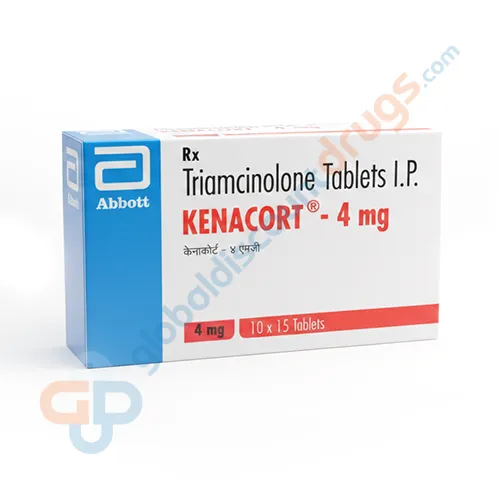
Triamcinolone
In StockTriamcinolone is a prescription medicine used to reduce inflammation and immune-related symptoms in conditions such as allergic reactions, skin disorders, arthritis, and respiratory inflammation. It belongs to the corticosteroid class and works by helping suppress inflammatory responses in the body. Treatment supports relief from swelling, redness, itching, and irritation. Use as directed on the product label.

What is Triamcinolone?
Triamcinolone is a prescription medication that belongs to a group of drugs called corticosteroids. Corticosteroids reduce inflammation, redness, swelling, and immune system activity.
Triamcinolone is used to treat many conditions, including:
- Skin disorders (eczema, dermatitis, psoriasis, allergic rashes)
- Joint inflammation (arthritis, bursitis)
- Allergic conditions
- Asthma (certain formulations)
- Mouth ulcers (dental paste form)
- Severe allergic reactions (injection form)
Available Forms and Strengths
Triamcinolone comes in several formulations:
- Topical creams, ointments, lotions (various strengths)
- Dental paste
- Nasal spray
- Injectable suspension (for joints or muscle)
- Inhalation formulations (in some settings)
- Triamcinolone 4mg
The specific form and strength depend on the condition being treated.
What is the Recommended Dosage of Triamcinolone?
The dosage depends on:
- The condition being treated
- The area of the body affected
- Age
- Body weight (for children, if applicable)
- Overall health status
Topical forms are usually applied in a thin layer to the affected area. Injectable forms are administered by a healthcare professional. Nasal sprays and inhaled forms follow condition-specific dosing schedules.
Dosing must follow instructions from a licensed medical specialist, such as a dermatologist, allergist, pulmonologist, or rheumatologist. Do not increase frequency or duration without medical advice.
How Triamcinolone Works
Triamcinolone works by reducing inflammation and calming the immune system.
It blocks the release of substances in the body that cause:
- Swelling
- Redness
- Itching
- Pain
In skin conditions, it reduces irritation and inflammation. In joint injections, it decreases swelling and discomfort. In nasal or inhaled forms, it lowers inflammation in airways.
Triamcinolone controls symptoms but does not cure chronic inflammatory diseases. Long-term conditions may require ongoing management.
Is a Prescription Required to Buy Triamcinolone Online?
Most forms of triamcinolone require a prescription.
Patients should consult a licensed medical specialist before starting treatment. Depending on the condition, this may include:
- A dermatologist (skin conditions)
- A rheumatologist (joint disorders)
- An allergist or pulmonologist (respiratory conditions)
- A primary care physician
Avoid purchasing medications from unverified online sources. Counterfeit or incorrectly labeled steroid products may cause harm. Always use licensed pharmacies.
Side Effects of Triamcinolone
Side effects vary depending on the form and duration of use.
Common Side Effects
Topical forms may cause:
- Skin thinning (with long-term use)
- Mild burning or irritation
- Dryness
- Redness
- Nasal or inhaled forms may cause:
- Nose irritation
- Sore throat
- Mild cough
Injectable forms may cause:
- Temporary pain at injection site
- Facial flushing
Serious Side Effects
Rare but serious risks include:
- Severe allergic reactions
- Significant skin thinning or stretch marks
- Infection at injection site
- Hormonal effects with prolonged high-dose use
- Elevated blood sugar
Seek immediate medical attention if you experience swelling of the face or throat, difficulty breathing, severe rash, or signs of infection.
Drug Interactions
Triamcinolone may interact with other medications.
Major Interaction Categories
- Other corticosteroids
- Immunosuppressive drugs
- Certain antifungal medications
- Blood thinners
- Diabetes medications
- Over-the-Counter (OTC) Medications
Some OTC steroid creams or nasal sprays may increase total steroid exposure.
Supplements and Herbal Products
Herbal immune stimulants or supplements may alter immune response.
Provide a full list of medications and supplements to your licensed medical specialist before starting treatment.
Safety & Important Considerations
Skin Use Precautions
- Avoid applying to broken or infected skin unless directed.
- Do not cover treated areas tightly unless instructed.
- Avoid long-term use on the face unless prescribed.
Pregnancy and Breastfeeding
Use during pregnancy or breastfeeding should be discussed with a licensed obstetrician or healthcare provider. Use only if clearly needed.
Children
Children may absorb more steroids through the skin. Use the lowest effective strength for the shortest duration possible.
Monitoring
Long-term or high-dose use may require monitoring for:
- Hormonal changes
- Blood sugar levels
- Signs of infection
Who This Medication Is For
Triamcinolone is prescribed for patients with inflammatory or allergic conditions, including:
- Moderate to severe eczema or dermatitis
- Psoriasis
- Allergic rhinitis
- Joint inflammation
- Mouth ulcers
Treatment is based on medical evaluation and diagnosis.
Who Should Not Take Triamcinolone
Triamcinolone should not be used in individuals who:
- Have untreated skin infections (for topical forms)
- Have a known allergy to corticosteroids
- Have systemic fungal infections (for injectable or systemic forms)
Use caution in patients with:
- Diabetes
- Glaucoma
- Weakened immune systems
- Active infections
A healthcare provider will assess risk before prescribing.
What to Do If You Miss a Dose
If using a topical, nasal, or inhaled form:
- Apply or use it when remembered.
- If close to the next dose, skip the missed dose.
- Do not double the amount.
If you miss a scheduled injection, contact your healthcare provider to reschedule.
Related medications to Triamcinolone
Other corticosteroids may be considered depending on the condition:
Non-steroid options may also be used in certain cases. Changing medications requires evaluation by a licensed specialist.
Storage Instructions
- Store at room temperature.
- Keep away from heat and moisture.
- Do not freeze (unless product labeling allows).
- Keep out of reach of children.
- Close containers tightly after use.
Follow label instructions for specific formulations.
Disclaimer:
This page is for educational purposes only. It is not a substitute for professional medical advice, diagnosis, or treatment. Patients must consult a licensed dermatologist, allergist, pulmonologist, rheumatologist, or other qualified medical specialist before starting, changing, or stopping triamcinolone treatment. Treatment decisions must be based on a full clinical evaluation by a qualified specialist.
Prescription Required (Rx) to Buy?
This medication is not available over the counter. A valid prescription from a licensed healthcare
professional is required. Always consult your doctor before use.