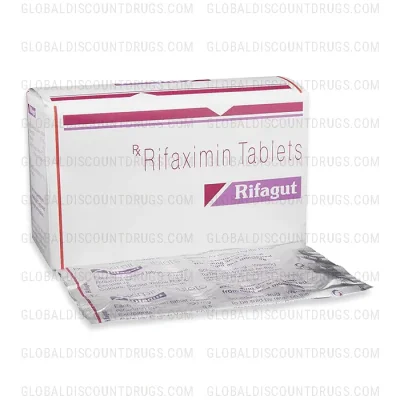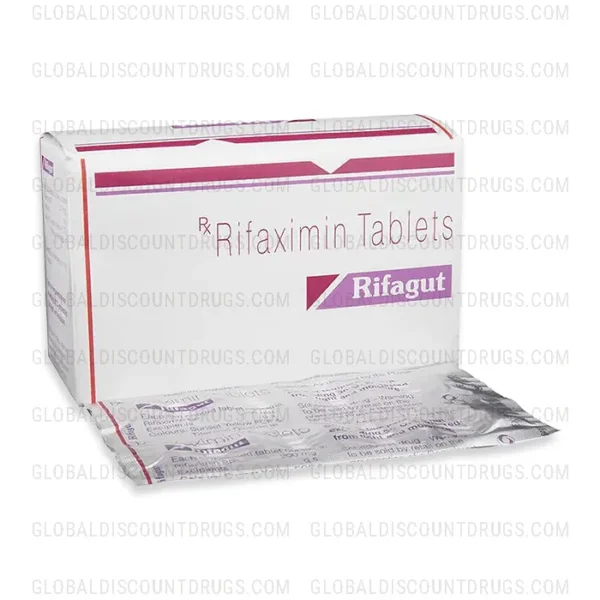
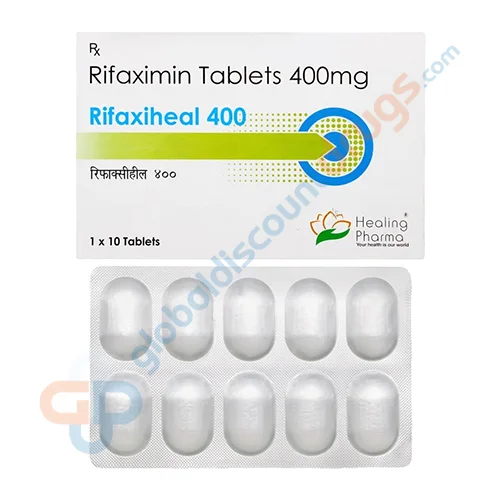

Rifaximin
In StockRifaximin is a prescription medicine used to help treat certain gastrointestinal conditions caused by bacteria, including traveler’s diarrhea, irritable bowel syndrome with diarrhea (IBS-D), and hepatic encephalopathy. It works as a gut-selective antibiotic that limits bacterial growth in the intestines, helping restore microbial balance and reduce symptoms. Use only as directed on the product label or by a healthcare professional.

What is Rifaximin?
Rifaximin is a prescription antibiotic used to treat certain infections and conditions affecting the gastrointestinal tract. It belongs to a class of medications called rifamycin antibiotics, which work by stopping the growth of bacteria in the intestines.
Unlike many antibiotics that circulate throughout the body, rifaximin acts mainly inside the digestive tract, with minimal absorption into the bloodstream.
Common medical uses include:
Treatment of traveler’s diarrhea caused by certain bacteria
Management of hepatic encephalopathy to reduce the risk of recurrent episodes
Treatment of irritable bowel syndrome with diarrhea (IBS-D) in adults
Rifaximin helps control symptoms and bacterial growth in the gut but does not cure underlying chronic digestive conditions.
Available formulations and strengths
Rifaximin is commonly available as:
Oral tablets
Tablet strengths may include:
Availability may vary depending on manufacturer and region.
What is the Recommended Dosage of Rifaximin?
The correct dosage of rifaximin must be determined by a licensed healthcare professional, such as a gastroenterologist or primary care physician.
Dosage may vary depending on:
- The condition being treated
- Severity of symptoms
- Age and overall health
- Liver function
- Response to treatment
- Other medications being taken
How Rifaximin Works
Rifaximin works by interfering with bacterial RNA synthesis, which prevents bacteria from producing essential proteins needed for survival and reproduction.
Because rifaximin remains largely within the intestinal tract, it directly targets bacteria living in the gut.
This localized action helps:
- Reduce harmful bacteria in the digestive system
- Decrease toxin production associated with certain liver conditions
- Improve symptoms such as diarrhea and abdominal discomfort
The medication helps control bacterial activity in the intestines but does not treat viral infections or systemic bacterial infections.
Is a Prescription Required to Buy Rifaximin Online?
Yes. Rifaximin is a prescription-only medication in most countries.
Patients should consult a licensed healthcare professional, such as:
- A gastroenterologist
- A primary care physician
- A liver specialist (hepatologist) in cases involving hepatic encephalopathy
- A medical evaluation is necessary to confirm the diagnosis and determine whether rifaximin is appropriate.
When purchasing medications online, patients should:
- Use licensed pharmacies
- Avoid products sold without proper medical authorization
- Be cautious of counterfeit antibiotics
Unregulated products may not meet quality and safety standards.
Side Effects of Rifaximin
Like all medications, rifaximin may cause side effects. Many are mild and temporary.
Common Side Effects
Common side effects may include:
- Nausea
- Abdominal pain or discomfort
- Headache
- Gas or bloating
- Dizziness
- Swelling of the hands or feet
These symptoms often improve as the body adjusts to treatment.
Serious Side Effects
Rare but serious side effects may include:
- Severe allergic reactions
- Persistent or severe diarrhea
- Signs of Clostridioides difficile infection
- Severe abdominal pain
- Swelling of the face, lips, or throat
Patients should seek immediate medical attention if they experience severe diarrhea, breathing difficulty, or signs of a serious allergic reaction.
Drug Interactions
Rifaximin has relatively few systemic interactions because it is minimally absorbed, but interactions may still occur.
- Prescription medications
- Possible interactions include:
- Certain antibiotics
- Medications affecting liver enzymes
- Some drugs used to treat liver disease
- Over-the-counter medications
OTC medications affecting digestion or intestinal movement may influence treatment response.
Examples include:
- Anti-diarrheal medications
- Certain digestive aids
- Supplements and herbal products
Herbal supplements and digestive health products may influence gut bacteria or gastrointestinal function.
Patients should provide a complete list of medications, supplements, and herbal products to their healthcare professional.
Safety & Important Considerations
Several precautions should be considered when using rifaximin.
Liver disease
Patients with severe liver impairment may require careful monitoring, especially when rifaximin is used to manage hepatic encephalopathy.
Antibiotic resistance
Unnecessary or improper use of antibiotics may contribute to antibiotic resistance.
Persistent symptoms
If diarrhea or gastrointestinal symptoms persist beyond the expected treatment period, medical evaluation is recommended.
Pregnancy and breastfeeding
Individuals who are pregnant or breastfeeding should consult a healthcare professional before using rifaximin.
Monitoring
Healthcare professionals may monitor:
- Symptom improvement
- Recurrence of hepatic encephalopathy symptoms
- Possible adverse effects
- Regular follow-up may be recommended for chronic conditions.
Who This Medication Is For
Rifaximin is typically prescribed for individuals with specific gastrointestinal conditions.
Typical patient groups include:
- Adults with traveler’s diarrhea caused by certain bacteria
- Patients with irritable bowel syndrome with diarrhea (IBS-D)
- Individuals with hepatic encephalopathy related to liver disease
Treatment decisions are based on clinical evaluation and confirmed diagnosis.
Who Should Not Take Rifaximin
Rifaximin may not be appropriate for certain individuals.
Contraindications and precautions may include:
- Known allergy to rifaximin or rifamycin antibiotics
- Severe intestinal infections caused by organisms not responsive to rifaximin
- Certain severe gastrointestinal conditions without proper medical evaluation
Patients should discuss their full medical history with a healthcare professional before starting treatment.
What to Do If You Miss a Dose
If a dose of rifaximin is missed:
- Take the missed dose as soon as you remember.
- If it is close to the next scheduled dose, skip the missed dose.
- Patients should not take two doses at the same time.
If multiple doses are missed or symptoms worsen, patients should contact their healthcare professional for guidance.
Related medications to Rifaximin
Treatment alternatives depend on the condition being treated.
Examples may include:
Probiotics or dietary management for certain digestive conditions
Other therapies used in hepatic encephalopathy management
Treatment selection must be based on medical evaluation and the specific underlying condition.
Storage Instructions
Rifaximin should be stored according to general medication safety guidelines.
Storage recommendations include:
- Store at room temperature
- Keep away from excess heat and moisture
- Protect from direct light
- Keep tablets in their original packaging
For safety:
- Keep medication out of reach of children and pets
- Do not use after the expiration date
- Dispose of unused medication according to pharmacy or local disposal guidelines
Disclaimer:
This page is for educational purposes only. The information provided here is not a substitute for professional medical advice, diagnosis, or treatment. Patients must consult a licensed healthcare professional such as a gastroenterologist, hepatologist, or primary care physician before starting, changing, or stopping treatment with rifaximin. Treatment decisions should always be based on a complete clinical evaluation conducted by a qualified medical specialist.
Prescription Required (Rx) to Buy?
This medication is not available over the counter. A valid prescription from a licensed healthcare
professional is required. Always consult your doctor before use.