
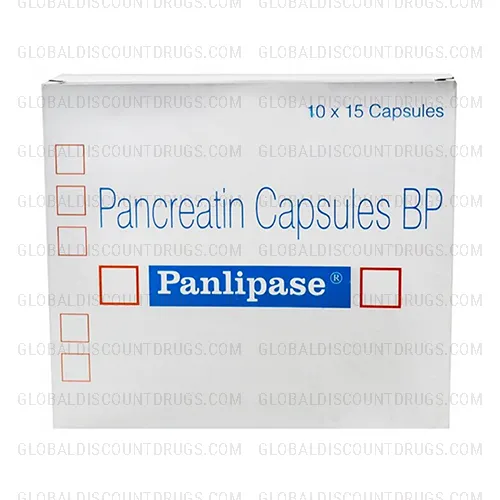
Pancreatin
In StockPancreatin is a prescription medicine used to help manage digestive problems caused by pancreatic enzyme deficiency, such as exocrine pancreatic insufficiency. It contains a mixture of digestive enzymes that support the breakdown of fats, proteins, and carbohydrates in food. This action helps improve nutrient absorption and digestive function. Use only as directed on the product label or by a healthcare professional.

What is Pancreatin?
Pancreatin is a medication containing digestive enzymes that help break down food in the digestive system. It is commonly used when the body cannot produce enough pancreatic enzymes on its own.
Pancreatin typically contains a mixture of enzymes such as:
- Lipase – helps digest fats
- Amylase – helps digest carbohydrates
- Protease – helps digest proteins
Doctors may prescribe Pancreatin for conditions involving poor digestion due to reduced pancreatic function.
Common Uses
Healthcare providers may prescribe Pancreatin to help manage:
- Pancreatic insufficiency
- Digestive problems related to Chronic pancreatitis
- Cystic fibrosis affecting digestion
Malabsorption of nutrients caused by pancreatic enzyme deficiency
Available Formulations and Strengths
Pancreatin is available in several dosage forms, including:
- Tablets
- Capsules (Pancreatin 150mg)
- Enteric-coated tablets or capsules
- Powder formulations
Strengths vary depending on the enzyme content in each formulation. The prescribing healthcare professional determines the appropriate product and dosing plan.
What is the Recommended Dosage of Pancreatin?
The correct dosage of Pancreatin varies based on the patient’s digestive needs and the severity of pancreatic enzyme deficiency.
Factors influencing dosage
A healthcare provider may consider:
- The underlying digestive condition
- Age and body weight
- Severity of pancreatic enzyme deficiency
- Dietary habits and fat intake
- Overall health condition
- Dosage Forms
Pancreatin is usually taken orally with meals or snacks to assist digestion.
Important dosing guidance
- Tablets or capsules are usually taken during or immediately after meals.
- The amount may vary depending on the fat content of the meal.
- Treatment should follow instructions provided by a licensed gastroenterologist or healthcare provider.
Patients should not change their dose without medical advice.
How Pancreatin Works
Pancreatin works by replacing digestive enzymes normally produced by the pancreas.
The pancreas plays an important role in digestion by releasing enzymes that help break down nutrients in food.
When pancreatic enzyme production is reduced, food may not be properly digested. This can lead to:
- Abdominal discomfort
- Fatty stools
- Poor nutrient absorption
- Weight loss
Pancreatin provides the enzymes needed to break down:
- Fats
- Proteins
- Carbohydrates
By improving digestion, the medication helps the body absorb nutrients more effectively. It supports digestive function but does not cure the underlying pancreatic condition.
Is a Prescription Required to Buy Pancreatin Online?
In many regions, Pancreatin products used for medical treatment require a prescription from a licensed healthcare professional.
Patients should consult a qualified specialist such as a:
- Gastroenterology specialist
- Physician managing digestive disorders
- Safe purchasing practices
Patients should:
- Buy medicines only from licensed pharmacies
- Avoid online sellers offering medical products without proper verification
- Be cautious of unregulated or counterfeit digestive enzyme products
- Proper diagnosis is important before starting enzyme replacement therapy.
Side Effects of Pancreatin
Pancreatin is generally well tolerated, but side effects can occur.
Common Side Effects
Some patients may experience:
- Mild stomach discomfort
- Nausea
- Diarrhea
- Constipation
- Abdominal bloating
These effects are usually mild and may improve as treatment continues.
Serious Side Effects
Rare but serious reactions may include:
- Severe allergic reactions such as rash or swelling
- Severe abdominal pain
- Irritation of the mouth or throat if tablets are chewed
Patients should seek immediate medical attention if severe symptoms occur.
Drug Interactions
Pancreatin may interact with certain medications that affect digestion or nutrient absorption.
Possible interaction categories
- Medications affecting stomach acidity
- Certain digestive medications
- Over-the-counter medicines and supplements
Patients should inform their healthcare provider about:
- OTC medications
- Herbal supplements
- Vitamins
- Nutritional supplements
Providing a complete medication list helps healthcare providers ensure safe treatment.
Safety & Important Considerations
Certain health conditions require special care when using Pancreatin.
Digestive Conditions
Patients with intestinal obstruction or severe gastrointestinal disease should discuss treatment risks with a healthcare provider.
Allergy Risk
Pancreatin is typically derived from animal sources. Patients with known allergies should inform their healthcare provider.
Pregnancy and Breastfeeding
Individuals who are pregnant or breastfeeding should consult their healthcare provider before starting treatment.
Monitoring
Healthcare providers may monitor:
- Digestive symptoms
- Nutritional status
- Weight and nutrient absorption
Regular medical follow-up is important when managing pancreatic enzyme deficiency.
Who This Medication Is For
Pancreatin is commonly prescribed for individuals who have insufficient pancreatic enzyme production.
Typical patients may include those with:
- Chronic pancreatic disease
- Cystic fibrosis affecting digestion
- Pancreatic surgery affecting enzyme production
- Malabsorption disorders
Treatment is based on medical diagnosis and clinical evaluation.
Who Should Not Take Pancreatin
Certain individuals should avoid Pancreatin unless advised otherwise by a healthcare provider.
- Contraindications
- Patients should generally not take Pancreatin if they:
- Have a known allergy to pancreatic enzyme products
- Have acute pancreatitis during active inflammation
Warnings & Precautions
Patients with the following conditions should discuss risks with their healthcare provider:
- Severe digestive disorders
- Intestinal blockage
- Sensitivity to animal-derived products
A medical evaluation is necessary before starting therapy.
What to Do If You Miss a Dose
If a dose of Pancreatin is missed:
- Take the dose with the next meal or snack.
- If a meal has already been completed, skip the missed dose.
- Do not take two doses at the same time.
Patients unsure about dosing should contact their healthcare provider for guidance.
Alternatives to Pancreatin
Pancreatin contains digestive enzymes used in appropriate pancreatic enzyme-replacement or digestive treatment settings. A directly related product page is L-Ornithine-L-Aspartate-Pancreatin, which contains pancreatin together with additional ingredients.
Storage Instructions
To maintain medication quality:
- Store Pancreatin at room temperature.
- Keep away from moisture and direct sunlight.
- Store tablets or capsules in their original packaging.
- Keep out of reach of children and pets.
- Unused or expired medication should be disposed of according to pharmacy guidance.
Disclaimer:
This page is provided for educational purposes only and does not replace professional medical advice, diagnosis, or treatment. Patients should consult a licensed gastroenterologist or qualified healthcare professional before starting, changing, or stopping Pancreatin therapy. Treatment decisions must be based on a complete clinical evaluation and individualized medical assessment performed by a qualified specialist.
Prescription Required (Rx) to Buy?
This medication is not available over the counter. A valid prescription from a licensed healthcare
professional is required. Always consult your doctor before use.

