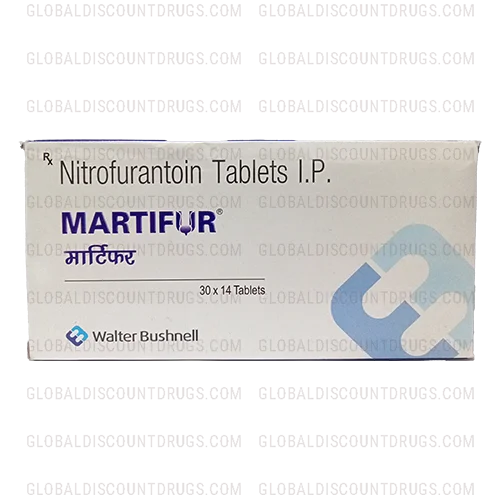
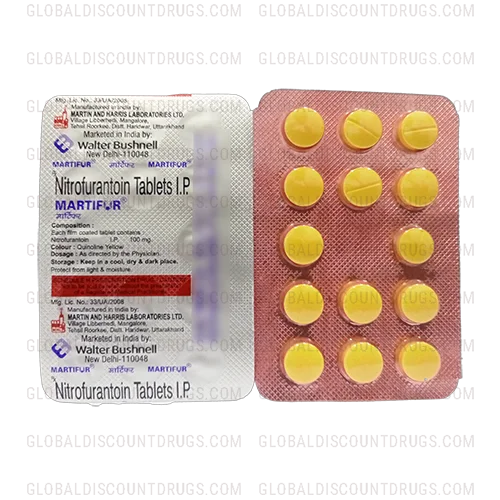
Nitrofurantoin 100mg
In StockNitrofurantoin 100 mg Tablet contains a urinary antibacterial medicine used for selected lower urinary tract infections. It is not appropriate for kidney infections, and kidney function may affect suitability.
| Active Ingredient: | Nitrofurantoin |
|---|---|
| Indication: | Urinary Tract Infection |
| Strength: | 100mg |
| Dosage Form: | Tablets |
| Manufacturer: | Walter Bushnell |

Nitrofurantoin 100mg – Quick Overview
Nitrofurantoin 100mg is a prescription antibiotic used to treat and prevent urinary tract infections (UTIs) caused by susceptible bacteria. It works by killing bacteria or preventing their growth within the urinary tract. This medication should be used only as prescribed and directed by a licensed healthcare provider.
Medical Supervision & Regulatory Status
Nitrofurantoin is available only by prescription in the United States and is regulated by the FDA as a urinary anti-infective agent. Medical supervision is required to confirm the infection is bacterial, select the correct formulation and duration, and monitor for rare but serious pulmonary or liver-related reactions, particularly with long-term use.
Clinical Context
Urinary tract infections are common bacterial infections that cause symptoms such as painful urination, urgency, and pelvic discomfort, and can progress to more serious kidney infections if left untreated. Some patients also experience frequent, recurring infections requiring longer-term preventive therapy.
Treatment is needed to clear the acute infection, relieve symptoms, and, for recurrent UTIs, reduce the frequency of future episodes. Nitrofurantoin concentrates specifically in the urinary tract, making it well suited for lower urinary tract infections rather than systemic infections.
Nitrofurantoin fits into UTI therapy as a nitrofuran-class antibiotic that is not effective in the bloodstream or other tissues, and is therefore not used for pyelonephritis (kidney infection) or infections outside the urinary tract.
How Nitrofurantoin Works
Nitrofurantoin belongs to the nitrofuran antibiotic drug class, a group of antibacterial agents that interferes with several bacterial enzyme systems, including those involved in cell wall synthesis.
Nitrofurantoin works by killing bacteria or preventing their growth within the urinary tract, where the drug becomes concentrated after being processed and excreted by the kidneys.
For patients, this mechanism translates into a treatment that directly targets bacteria in the urine, helping resolve symptoms such as burning, urgency, and frequent urination when the medication is taken exactly as directed for the full prescribed course.
What is Nitrofurantoin 100mg?
- Drug Class: Nitrofuran antibiotic (urinary anti-infective)
- Active Ingredient: Nitrofurantoin (as macrocrystals, monohydrate/macrocrystals, or dual-release formulation)
- Mechanism: Interferes with bacterial enzyme systems, stopping bacterial growth and reproduction in the urinary tract
- Form: Oral capsule, 100mg
- Dosing Frequency: Typically every 12 hours for acute infections, or once daily at bedtime for long-term prevention
- Regulatory Status: Prescription only (Rx) in the United States
Uses / Indications
- Acute Urinary Tract Infections (Cystitis): Treats infections caused by susceptible bacteria such as E. coli and S. saprophyticus
- Recurrent UTI Prevention: Used at a lower, long-term dose to help prevent recurring bladder infections in susceptible patients
Nitrofurantoin is not effective against kidney infections (pyelonephritis) or infections outside the urinary tract, and does not treat viral infections such as colds or flu.
How to Use / Dosage
Your doctor will determine your exact dose and treatment length based on your infection type and history. Take nitrofurantoin with food to improve absorption and reduce stomach upset, swallow capsules whole, and take doses at evenly spaced times to maintain consistent levels in the urinary tract; avoid magnesium-containing antacids, as they can reduce absorption.
If you miss a dose, take it as soon as you remember, unless it’s almost time for your next dose — do not double up. Complete the full prescribed course even if symptoms improve early, and if using this medication for long-term prevention, do not skip doses or stop without your doctor’s approval, since doing so may allow infection to return or contribute to antibiotic resistance.
Side Effects
Most patients tolerate nitrofurantoin well for short courses, with gastrointestinal effects being the most frequently reported. Common side effects include nausea, gas, loss of appetite, and headache.
Serious effects are less common but can include lung inflammation with prolonged use, liver injury, and severe or persistent diarrhea; long-term users require periodic monitoring by their doctor.
Emergency Warning Signs — Seek immediate medical attention if you experience:
- Fever, chills, cough, chest pain, or shortness of breath (possible signs of lung inflammation)
- Yellowing of the skin or eyes, dark urine, or persistent nausea and loss of appetite (possible liver problems)
- Signs of a severe allergic reaction, such as swelling of the face, lips, or throat, or difficulty breathing
- Numbness, tingling, or weakness in the hands or feet (possible nerve involvement)
- Severe or watery diarrhea
- New or worsening urinary symptoms despite treatment
Warnings & Precautions
Nitrofurantoin should not be used by patients with severe kidney disease, significant urination problems, or a history of jaundice or liver problems related to prior nitrofurantoin use. It should not be used in infants younger than one month of age due to the risk of a blood condition called hemolytic anemia, and should not be taken during the last 2 to 4 weeks of pregnancy or during labor and delivery.
Regarding drug interactions, magnesium trisilicate-containing antacids can bind with nitrofurantoin and reduce its absorption, so these should be avoided unless specifically directed by your doctor. Nitrofurantoin can also cause inaccurate results on certain urine glucose tests, so inform any doctor treating you that you are taking this medication.
For pregnancy and breastfeeding, nitrofurantoin is generally avoided late in pregnancy and around the time of delivery due to risk to the newborn, and use during breastfeeding should be discussed with your doctor. Special populations, including patients with kidney impairment, should use this medication with caution, as reduced kidney function can affect drug concentration in the urine and increase systemic side-effect risk. Patients on long-term prophylactic therapy require periodic monitoring of lung and liver function due to the cumulative risk of rare but serious pulmonary and hepatic reactions.
Who Should Not Use This Medication
- Individuals with a known allergy to nitrofurantoin or its ingredients
- Patients with severe kidney disease or significantly reduced kidney function
- Infants younger than 1 month of age
- Women in the last 2 to 4 weeks of pregnancy, in labor, or about to deliver
- Patients with a prior history of liver problems (jaundice) caused by nitrofurantoin
Storage Instructions
Store nitrofurantoin capsules at room temperature, between 68°F and 77°F (20°C to 25°C), away from moisture, heat, and direct light. Keep the container tightly closed and out of reach of children and pets. Do not use past the expiration date printed on the packaging.
Frequently Asked Questions
Is a prescription required for Nitrofurantoin 100mg?
Yes, nitrofurantoin requires a valid prescription in the United States. A doctor must confirm the infection is bacterial and appropriate for this antibiotic before dispensing.
How long does it take for Nitrofurantoin to work?
Symptom improvement often begins within a few days, though the full treatment course, typically 3 to 7 days for acute infections, should be completed to fully clear the infection.
Is it safe to stop taking Nitrofurantoin once symptoms improve?
No, stopping early is not recommended. Completing the full prescribed course helps ensure the infection is fully treated and reduces the risk of recurrence or antibiotic resistance.
Can Nitrofurantoin interact with other medications?
Yes, magnesium-containing antacids can reduce its absorption and effectiveness. Always share your complete medication list with your doctor or pharmacist before starting treatment.
What should I do if I miss a dose?
Take the missed dose as soon as you remember, unless it’s close to your next scheduled dose. Do not take extra medicine to make up for a missed dose.
What is the cost of Nitrofurantoin without insurance?
Generic nitrofurantoin is generally affordable compared to brand-name versions. The cost without insurance depends on the seller, brand availability, and pack size, and may also vary by location and available discounts.
How can I order Nitrofurantoin online?
A valid prescription is required to order this medication. Typically, you upload your prescription or have your doctor send it directly to a licensed pharmacy for home delivery. Always use verified, licensed pharmacies to ensure product safety and authenticity.
Is Nitrofurantoin available over the counter?
No, it is not available over the counter in most countries, including the United States. Regulations may vary by region, but medical supervision is generally required for safe use.
References
- MedlinePlus (NIH) – Nitrofurantoin: https://medlineplus.gov/druginfo/meds/a682291.html
- Mayo Clinic – Nitrofurantoin (Oral Route): https://www.mayoclinic.org/drugs-supplements/nitrofurantoin-oral-route/description/drg-20065102
- Drugs.com – Nitrofurantoin: Uses, Dosage, Side Effects: https://www.drugs.com/nitrofurantoin.html
Medical Disclaimer
This content is for informational purposes only and does not constitute medical advice, diagnosis, or treatment. Consult a qualified specialist or physician before using Nitrofurantoin 100mg.
Prescription Required (Rx) to Buy?
This medication is not available over the counter. A valid prescription from a licensed healthcare
professional is required. Always consult your doctor before use.
| Quantity | 112, 224, 336, 448 |
|---|---|
| Indication | Urinary Tract Infection |
| Active Ingredient | Nitrofurantoin |
| Pharmaceutical Form | Tablets |
| Manufacturer | Walter Bushnell |
| Indian Brand | Martifur |
| US Brand Name | Furadantin, Macrobid, Macrodantin, Nitrofurantoin |
| Generic Name | Nitrofurantoin |
| Dosage | 100mg |
| Drug Type | Tablets |