
Nitazoxanide
In StockNitazoxanide is a broad-spectrum anti-parasitic agent used to treat protozoal infections like cryptosporidiosis and giardiasis, and increasingly studied for its antiviral activity. It works by interfering with the anaerobic energy metabolism of protozoa and helminthes. This API is highly effective against drug-resistant parasitic infections in both immunocompetent and immunocompromised patients. Nitazoxanide is a versatile and valuable agent in infectious disease management.

What Is Nitazoxanide?
Nitazoxanide is a prescription antiparasitic medicine. It belongs to a group called thiazolides, which treat infections caused by certain parasites (protozoa). It is sold under the brand name Alinia in the United States and as generic versions. In other countries, it is sold under various brand names. It is also studied for other infections, but its established use is for the intestinal parasite infections described below.
FDA-Approved Uses
In the United States, nitazoxanide is approved to treat diarrhea caused by:
- Giardia lamblia (giardiasis), in adults and children 1 year of age and older
- Cryptosporidium parvum (cryptosporidiosis), in adults and children 1 year of age and older
The tablets are approved for patients 12 years and older. The oral suspension is approved for children 1 through 11 years of age.
Other Prescribed Uses
Specialists sometimes prescribe nitazoxanide for other intestinal parasite infections or other infections, based on individual circumstances. In some countries, it is licensed for additional uses, such as certain worm infections. These decisions belong to the treating specialist.
Available Forms and Strengths
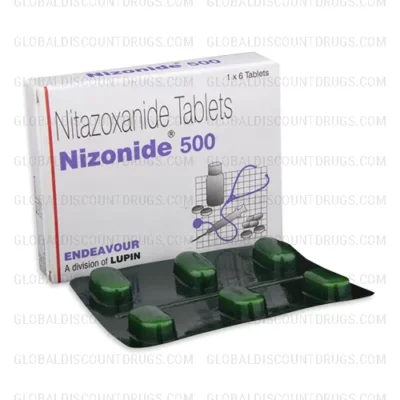
- Tablets: Nitazoxanide 500mg
- Oral suspension (liquid): 100 mg per 5 mL, made by the pharmacy from a powder mixed with water
Available forms and strengths can vary by manufacturer and country.
What Is the Recommended Dosage of Nitazoxanide?
There is no single dose that fits everyone. The prescribed dose and length of treatment depend on several factors:
- The condition being treated. Treatment for giardiasis and cryptosporidiosis is usually a short course, often 3 days.
- Age. Children are dosed differently from adults. The liquid form is used for younger children.
- Body weight. Weight is not always used for dosing, but age-based dosing tables are common in children.
- Liver and kidney function. Nitazoxanide has not been well studied in people with liver or kidney disease, so specialists use caution.
- Immune status. People with weakened immune systems may need a different treatment plan or a longer course under specialist direction.
Nitazoxanide is taken with food. Food helps the body absorb the medicine. The tablets are usually taken twice daily. For the oral suspension, shake well before each dose and use the dosing device provided.
Take nitazoxanide exactly as your licensed medical specialist or pharmacist instructs. Do not change the dose, stop early, or extend treatment on your own, even if symptoms improve. Stopping too soon can allow the infection to return.
How Nitazoxanide Works
Nitazoxanide is quickly changed in the body into an active form called tizoxanide. Tizoxanide interferes with an enzyme that certain parasites need to make energy. Without enough energy, the parasite cannot survive and multiply.
Nitazoxanide treats infections caused by susceptible parasites, and it helps the body clear the infection. How well it works depends on the type of organism, the person’s immune system, and overall health. In people with weakened immune systems, such as those with advanced HIV, nitazoxanide has not been shown to be as effective for cryptosporidiosis, and treatment often also involves improving immune function. Nitazoxanide does not treat bacterial, viral, or fungal infections in the same way, and it should not be used to treat conditions it was not prescribed for.
Is a Prescription Required to Buy Nitazoxanide Online?
In the United States, nitazoxanide is a prescription-only medicine. A licensed healthcare professional must evaluate you before it is prescribed.
Depending on the infection, the specialist may be:
- A primary care physician
- A pediatrician (for children)
- An infectious disease specialist (for parasitic, recurrent, or complicated infections)
- A gastroenterologist (for ongoing intestinal symptoms)
Only buy nitazoxanide from a licensed pharmacy that requires a valid prescription. Be careful with websites that sell it without one or that ship medicines from overseas without verification. Counterfeit, expired, or improperly stored products can be unsafe. Products labeled for animals are not approved for people and should never be used.
Side Effects of Nitazoxanide
Most people tolerate nitazoxanide well, but side effects can occur.
Common Side Effects
- Stomach pain or cramps
- Diarrhea
- Nausea or vomiting
- Headache
- Loss of appetite
- Yellowing of the eyes (usually mild and temporary)
- Discolored (yellow-green) urine, which is harmless
These are often mild. Talk to your pharmacist or doctor if they bother you or do not go away.
Serious Side Effects
Serious reactions are uncommon but possible. Get medical help right away if you notice:
- Swelling of the face, lips, tongue, or throat, or trouble breathing (allergic reaction)
- Severe skin reactions, such as blistering, peeling, or sores in the mouth
- Yellowing of the skin or eyes that is severe or lasting, dark urine with pale stools, or severe stomach pain (possible liver problems)
- Severe or lasting vomiting or diarrhea, especially with signs of dehydration such as very dry mouth, little urine, or dizziness
- Fever, sore throat, or unusual bruising or bleeding
Call emergency services if you have trouble breathing or think you are having a life-threatening reaction.
Drug Interactions
Tizoxanide, the active form of nitazoxanide, binds strongly to proteins in the blood. In theory, this could affect other medicines that also bind strongly to blood proteins. Major categories include:
- Blood thinners (such as warfarin), which may need closer monitoring because of protein binding
- Other medicines that bind strongly to blood proteins, which may need dose review
- Medicines with a narrow safety margin, such as certain seizure medicines and some heart medicines, which should be reviewed by a pharmacist
Laboratory studies suggest nitazoxanide does not strongly affect the main liver enzymes that process most medicines, so it has fewer documented interactions than many related medicines. This does not mean interactions are impossible.
Tell your provider about all prescription and over-the-counter medicines, vitamins, supplements, and herbal products. Also mention any products that contain alcohol.
Give your licensed medical specialist and pharmacist a complete, up-to-date list of everything you take. This list is not complete, so always check before starting or stopping any medicine.
Safety & Important Considerations
- Liver and kidney disease: Nitazoxanide has not been well studied in people with liver or kidney disease. Use caution and discuss risks with your specialist.
- Weakened immune systems: Effectiveness may be lower in people with advanced HIV or other causes of immune weakness. A specialist should guide treatment.
- Dehydration: Diarrhea can cause dehydration, especially in children and older adults. Drink plenty of fluids, and seek care if you cannot keep fluids down.
- Diabetes and sugar content: The oral suspension contains sucrose. People with diabetes or sugar intolerance should tell their provider.
- Pregnancy: Human data are limited. Animal studies have not shown clear harm at usual doses. Tell your provider if you are pregnant, may become pregnant, or are trying to conceive.
- Breastfeeding: It is not known whether nitazoxanide passes into breast milk. Discuss the risks and benefits with your provider.
- Children: The medicine is approved for children 1 year of age and older. The liquid form is used in younger children, with dosing determined by a specialist. Safety in children under 1 year has not been established.
- Older adults: Studies in older adults are limited. Older adults often take multiple medicines, which raises the chance of interactions.
- Eye and skin color changes: Mild yellowing of the eyes can occur and often goes away. Report it if it is severe or lasting, or if you have other signs of liver problems.
- Confirm the diagnosis: Nitazoxanide only treats specific parasites. Diarrhea has many causes, so testing and a proper evaluation are important.
- Hygiene: To prevent spreading these infections, wash your hands often, handle food and water safely, and follow your provider’s advice about household contacts.
Who This Medication Is For
Nitazoxanide is prescribed for adults and children 1 year of age and older who have diarrhea caused by Giardia or Cryptosporidium, within its approved indications. Whether it is appropriate depends on the type of infection, immune status, medical history, other medicines, and test results.
Who Should Not Take Nitazoxanide
Nitazoxanide is not suitable for everyone. Do not take it if:
- You have had an allergic reaction to nitazoxanide or to any ingredient in the product.
Use extra caution and discuss risks with your provider if you have:
- Liver or kidney disease
- A weakened immune system, including HIV
- Diabetes or sugar intolerance (oral suspension)
- Ongoing vomiting or dehydration
- Pregnancy, plans for pregnancy, or breastfeeding
What to Do If You Miss a Dose
- Take the missed dose as soon as you remember, and take it with food.
- If it is almost time for your next dose, skip the missed one and go back to your regular schedule.
- Do not take two doses at once to make up for a missed dose.
- If you are unsure what to do, or you miss several doses, contact your licensed medical specialist or pharmacist. Missed doses can affect how well the infection is treated.
Related medications to Nitazoxanide
Other medicines exist for these infections, and the right one depends on the type of infection and the person’s health. Only a licensed specialist can decide whether a different medicine is appropriate.
Options for giardiasis:
- Tinidazole, metronidazole, and secnidazole (nitroimidazoles; secnidazole is not approved for giardiasis in the United States)
- Paromomycin, sometimes used when other options are not suitable, including in pregnancy
Options for cryptosporidiosis:
- Nitazoxanide is the only FDA-approved medicine for this infection. In people with weakened immune systems, specialists focus on treating the underlying immune problem, and may use supportive care and other approaches.
Other antiparasitic medicines:
- Albendazole and mebendazole (for certain worm infections), which are different medicines for different parasites and are not interchangeable with nitazoxanide
Do not switch or stop nitazoxanide without talking to your licensed medical specialist.
Storage Instructions
- Tablets: Store at room temperature, generally between 68°F and 77°F (20°C and 25°C), in the original container. Keep them dry and protected from moisture and light. Avoid storing them in a bathroom.
- Oral suspension: Before mixing, store the powder at room temperature. After the pharmacy mixes it, keep it at room temperature and tightly closed. Do not freeze it. Shake well before each use, and use only the dosing device provided. Mixed liquid is usually discarded after about 7 days, so follow the pharmacy label.
- Child safety: Keep all medicines out of reach and sight of children and pets, preferably in a locked or high cabinet.
- Do not use medicine past its expiration date. Ask your pharmacist about safe disposal of unused or expired medicine.
Disclaimer:
This page is for educational purposes only. It is not a substitute for professional medical advice, diagnosis, or treatment. Patients must consult a licensed medical specialist, such as a primary care physician, pediatrician, infectious disease specialist, or gastroenterologist, depending on the type of infection, before starting, changing, or stopping treatment. Treatment decisions must be based on a full clinical evaluation by a qualified specialist. Information about dosing, strengths, and safety may change, so always follow the guidance of your prescriber and the current product labeling.
Prescription Required (Rx) to Buy?
This medication is not available over the counter. A valid prescription from a licensed healthcare
professional is required. Always consult your doctor before use.