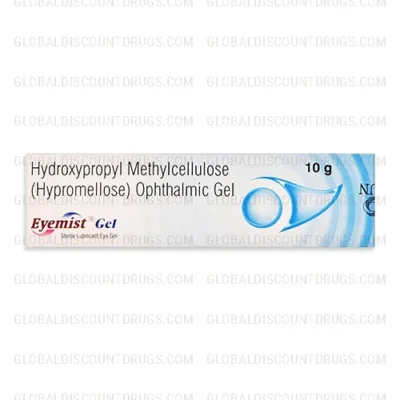

Hydroxypropyl Methylcellulose
In StockHydroxypropyl Methylcellulose (HPMC) is a widely used compound found in ophthalmic solutions, serving primarily as a viscoelastic agent. It is a polymer that acts as an artificial tear substitute, helping to stabilize and lubricate the surface of the eye. HPMC increases the viscosity of the eye drop solution, allowing it to remain on the eye for a longer duration to provide extended relief for dry eyes

What Is Hydroxypropyl Methylcellulose?
Hydroxypropyl methylcellulose (HPMC), also called hypromellose, is a lubricant eye drop (often called “artificial tears”). It is a water-soluble polymer made from cellulose, a plant fiber. It belongs to a group of ingredients called demulcents, which soothe and protect the surface of the eye.
It is used on or around the eye. It is not taken by mouth or injected, and it is not a treatment for infection or eye disease.
Approved uses and common uses
- Temporary relief of dryness, burning, irritation, and discomfort of the eye.
- Relief of eye irritation caused by wind, sun, air conditioning, or long hours of screen use.
- Lubrication of the eye surface during eye exams, contact lens fitting, and some eye procedures, as directed by an eye specialist.
- Used with other treatments in some people with ongoing dry eye, as directed.
Available formulations and strengths
- Ophthalmic solution (eye drops): commonly, Hydroxypropyl Methylcellulose Eye Gel 0.3%-10g sometimes combined with other lubricants such as dextran
- Preservative-free single-use containers in some countries
- Gel or viscous solution for use during eye exams or procedures, commonly 2% or higher, in some countries
Availability varies by country and brand. Each strength has its own detailed page.
What Is the Recommended Dosage of Hydroxypropyl Methylcellulose?
Dosing depends on several factors:
- Severity of dryness or irritation: People with mild symptoms may need fewer drops than those with ongoing dryness.
- Product type: Regular eye drops, preservative-free drops, and thicker gels each have different directions.
- Age: Use in young children should only be directed by a doctor or eye specialist.
- Body weight: Weight is not used to set the dose of eye drops.
- Organ function: Dose changes are not usually needed for kidney or liver problems.
Dosage forms: eye drop solution, preservative-free single-use eye drops, and gel or viscous solution.
Use the product exactly as directed on the package or by your eye specialist. Most people use one or two drops in the affected eye or eyes as needed. Using more drops than directed does not improve results and may cause irritation. Do not use it for longer than the label says without checking with your specialist.
How Hydroxypropyl Methylcellulose Works
HPMC is a thick, slippery liquid when dissolved in water. When placed in the eye, it:
- Adds moisture and comfort to the eye surface
- Increases the thickness of the tear film so it stays on the eye longer
- Reduces friction when you blink
- Helps protect the surface of the eye from irritation
HPMC relieves symptoms of dryness and irritation but does not treat the cause of dry eye or repair damage to the eye. Symptoms may return as the effect wears off.
Is a Prescription Required to Buy Hydroxypropyl Methylcellulose Online?
In most countries, lubricant eye drops containing HPMC are available without a prescription. This may vary by country. Thicker gels used for eye exams or procedures are usually supplied by eye care professionals. Ongoing, severe, or worsening dry eye should be checked by a licensed ophthalmologist or optometrist, because dry eye can have causes that need other treatment.
Safety when buying online
- Buy only from licensed, verified pharmacies or trusted retailers.
- Counterfeit, expired, or improperly stored eye drops can cause eye infection or vision harm. Do not use veterinary products.
- Check the packaging, label, and seal when it arrives. Do not use the product if the seal is broken.
- Ask a pharmacist if anything looks unusual.
Side Effects of Hydroxypropyl Methylcellulose
Common Side Effects
- Brief blurred vision right after use (more common with thicker gels)
- Mild stinging or burning when the drops are applied
- Mild eye irritation
- Temporary sticky feeling or crusting on the eyelashes
- Mild eye redness
Serious Side Effects
These are uncommon but need prompt attention.
- Eye pain that does not go away
- Changes in vision or sudden loss of vision
- Redness or irritation that gets worse or lasts more than 72 hours
- Signs of eye infection: pus, swelling, or worsening redness
- Signs of an allergic reaction: itching, swelling of the eyelids, rash, or swelling of the face, lips, tongue, or throat; hives; trouble breathing
Stop using the product and seek medical care if you notice any serious side effects. Seek emergency medical care for trouble breathing, swelling of the face or throat, or sudden loss of vision. Contact your specialist promptly if side effects are bothersome or do not go away.
Drug Interactions
Few drug interactions are known with lubricant eye drops, but some are important:
- Other eye drops: wait at least 5 minutes between different eye medicines. If you use prescription eye drops, ask your specialist whether to use the lubricant before or after them
- Eye ointments or gels: use ointments and gels last, since they may blur vision and may keep other drops from working well
- Contact lens solutions: some preservatives in eye drops may react with lenses, so ask your eye specialist for guidance
OTC medicines, supplements, and herbal products do not commonly interact with lubricant eye drops. Still, give your licensed specialist and pharmacist a full list of everything you take, including eye drops, creams, vitamins, and supplements.
Safety & Important Considerations
- Do not use if the solution changes color or becomes cloudy.
- Preservative sensitivity: Some HPMC drops contain preservatives that may irritate the eyes in some people. If you need to use lubricant drops often (more than about four times a day), ask your specialist about preservative-free drops.
- Dry eye that persists: Long-term or severe dryness should be checked by an eye specialist.
- Eye pain, vision changes, or redness: Stop use and see a specialist if these happen or get worse.
- Pregnancy and breastfeeding: Very little of the product is absorbed into the body. Human data are limited. Discuss use with your specialist if you are pregnant, planning pregnancy, or breastfeeding.
- Children: Ask a doctor before using in young children.
- Older adults: No special dose change is usually needed.
- Contact lenses: Preservatives in some eye drops can be absorbed by soft contact lenses. Unless the label says the drops are safe for lenses, remove lenses before use and wait at least 15 minutes before reinserting them.
- Driving and machinery: Eye drops, especially thicker gels, may briefly blur your vision. Avoid these activities until your vision is clear.
- Hygiene: Do not touch the dropper tip to your eye or any surface. Replace the cap right after use. Contaminated eye drops can cause serious eye infections.
- Do not share your bottle with others.
Who This Medication Is For
- Adults and older children with mild to moderate dryness or irritation of the eye, following package directions
- People with eye irritation from environmental causes, such as wind, sun, air conditioning, or screen use
- People who need eye surface lubrication during eye exams or procedures, as directed by an eye care professional
- People whose eye specialist recommends a lubricant as part of a treatment plan
Who Should Not Take Hydroxypropyl Methylcellulose
- Anyone allergic to hydroxypropyl methylcellulose (hypromellose), cellulose derivatives, or any ingredient in the product
- Anyone who develops eye pain, vision changes, or worsening redness after use, who should stop and see a specialist
Tell your specialist about all medical conditions, including other eye conditions, before starting treatment.
What to Do If You Miss a Dose
- This product is often used as needed, so a missed dose is usually not a concern.
- If you use it on a set schedule, use the missed dose as soon as you remember.
- If it is almost time for the next dose, skip the missed one and return to your usual schedule.
- Do not double the dose to make up for a missed one.
- If you are unsure what to do, contact your licensed specialist or pharmacist.
Related medications to Hydroxypropyl Methylcellulose
Only a licensed specialist can decide whether a different treatment suits you.
- Other lubricant eye drops, such as carboxymethylcellulose, Polyvinyl Alcohol-Povidone-Chlorbutol, hyaluronic acid, or propylene glycol-polyethylene glycol products
- Preservative-free artificial tears in single-use containers, for people who use drops often or are sensitive to preservatives
- Lubricating gels and ointments, often used at bedtime
- Prescription dry eye medicines, such as cyclosporine or lifitegrast eye drops
- Punctal plugs (small plugs that help keep tears on the eye), placed by an eye specialist
- Non-drug measures, such as warm compresses, blinking breaks during screen use, and a humidifier
Do not stop or switch treatments on your own if you are using prescription eye medicines. Changes should be made only after consultation with your specialist.
Storage Instructions
- Store at room temperature, typically 59°F to 77°F (15°C to 25°C), unless your label says otherwise.
- Keep the bottle tightly closed and protect it from moisture, heat, and direct light.
- Do not freeze.
- Keep out of reach and sight of children. Accidental swallowing of eye drops can be dangerous for young children. Seek emergency help if this happens.
- Do not use past the expiration date. Eye drop bottles should be discarded within a set time after opening (often about 4 weeks). Preservative-free single-use containers should be discarded after use. Follow your label and pharmacist’s guidance.
Disclaimer:
This page is for educational purposes only. It is not a substitute for professional medical advice, diagnosis, or treatment. Patients must consult a licensed ophthalmologist or optometrist, or another relevant medical specialist, before starting, changing, or stopping treatment. Treatment decisions must be based on a full clinical evaluation by a qualified specialist.
Prescription Required (Rx) to Buy?
This medication is not available over the counter. A valid prescription from a licensed healthcare
professional is required. Always consult your doctor before use.