Heparin-Benzyl Nicotinate
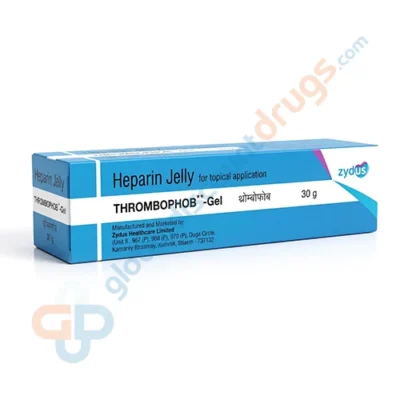
In StockHeparin-Benzyl Nicotinate is a topical preparation often used to treat local inflammation and superficial thrombophlebitis, or to alleviate discomfort from bruises and sports injuries. The anticoagulant heparin helps to reduce localized clotting, inflammation, and swelling. Benzyl nicotinate acts as a vasodilator, increasing blood flow to the affected area, which helps facilitate the absorption of heparin and enhances the overall anti-inflammatory and pain-relieving effect.

What is Heparin-Benzyl Nicotinate?
Heparin-benzyl nicotinate is a topical combination medication that contains two active ingredients: heparin, an anticoagulant (blood-thinning) agent used here for its local anti-inflammatory and anti-clotting effects on the skin, and benzyl nicotinate, a vasodilator that widens small blood vessels near the surface of the skin to improve local blood flow.
This combination is commonly used to help manage:
- Bruises (hematomas) and superficial blood clots under the skin
- Superficial vein inflammation (superficial thrombophlebitis)
- Localized swelling, soreness, and minor sports-related soft tissue injuries
- Reducing the appearance and discomfort of contusions
Available formulations: Heparin-benzyl nicotinate is typically available as a topical gel, cream, or ointment for external use on the skin. It is not intended for oral, injectable, or ophthalmic use.
What is the Recommended Dosage of Heparin-Benzyl Nicotinate?
The amount and frequency of application depend on several factors, including:
- The size and location of the affected area
- The severity of the bruise, swelling, or vein inflammation
- The patient’s age and skin sensitivity
- Whether the product is being used on intact skin only, as directed
Because the amount applied and frequency of use depend on the specific condition and area being treated, this page does not provide specific dosing instructions. Only a licensed dermatologist, general physician, or other qualified healthcare provider should determine how heparin-benzyl nicotinate should be used for a given patient. Always follow the specific instructions provided by the prescribing or recommending healthcare professional.
How Heparin-Benzyl Nicotinate Works
This combination product works through two complementary actions when applied to the skin:
- Heparin helps reduce local inflammation and may help discourage further local clot formation in superficial blood vessels, which can support the body’s natural process of reabsorbing bruises and reducing swelling.
- Benzyl nicotinate causes local widening of small blood vessels near the skin’s surface, which increases local blood flow and may enhance the penetration and effect of heparin in the treated area, often producing a warming or flushing sensation.
Heparin-benzyl nicotinate is used to help manage the appearance and discomfort of bruising, swelling, and superficial vein inflammation; it does not treat the underlying cause of an injury and is not a substitute for evaluation of significant trauma or suspected deep vein problems.
Is a Prescription Required to Buy Heparin-Benzyl Nicotinate Online?
This varies by country and specific product formulation — in some regions, certain low-strength topical heparin combination products may be available without a prescription, while other formulations or strengths require one. Patients should check the specific regulatory status of the product in their region and, when in doubt, consult a healthcare provider before use.
Given that this product is used for conditions involving bruising, swelling, or vein inflammation, it is advisable to consult a general physician or dermatologist, particularly if:
- Symptoms are severe, worsening, or not improving
- There is a possibility of a deeper injury or blood clot
- The patient has an underlying bleeding or clotting disorder
Patients should be cautious of:
- Websites offering this product without any information on proper use or safety
- Unusually low prices, which may indicate counterfeit or substandard products
- Products marketed for veterinary or non-human use
- Sellers that are not licensed pharmacies or authorized retailers
Heparin-benzyl nicotinate should only be obtained from a licensed pharmacy or authorized retailer to ensure the product is safe and authentic.
Side Effects of Heparin-Benzyl Nicotinate
Common Side Effects
These are generally mild, localized, and related to the expected warming effect of the medication:
- Temporary warmth, redness, or flushing at the application site
- Mild stinging or tingling sensation
- Mild itching
Serious Side Effects
Serious side effects are uncommon with topical use but may include:
- Signs of an allergic skin reaction (significant rash, hives, blistering, or severe itching spreading beyond the application site)
- Signs of a more serious allergic reaction (swelling of the face or throat, difficulty breathing) — this requires emergency care
- Unusual or excessive bruising or bleeding, particularly if applied to broken or irritated skin or used over a large body surface area
- Worsening pain, swelling, or skin changes at the treated site, which could indicate the need for further medical evaluation
Patients or caregivers should seek medical attention if any of these symptoms occur, or if the condition being treated does not improve or appears to worsen. This list is not exhaustive.
Drug Interactions
Because heparin-benzyl nicotinate is applied topically, systemic drug interactions are less likely than with oral or injectable medications, but caution is still advised, particularly with:
- Oral or injectable blood thinners (anticoagulants) or antiplatelet medications, especially if the topical product is used over large areas of skin or for prolonged periods
- Other topical products applied to the same area, which may affect absorption or increase irritation
- Over-the-counter topical pain relief or anti-inflammatory products used at the same site
Patients should inform their healthcare provider and pharmacist of all medications, including blood thinners and other topical products, before using heparin-benzyl nicotinate, particularly if it will be used regularly or over a large area.
Safety & Important Considerations
- Skin integrity: This product should generally only be applied to intact, unbroken skin unless otherwise directed by a healthcare provider. It should not be applied to open wounds, ulcers, or mucous membranes unless specifically instructed.
- Bleeding risk: Patients with known bleeding disorders, or who are taking oral or injectable blood thinners, should consult a healthcare provider before use, as topical heparin absorption, while generally limited, may contribute to bleeding risk in certain circumstances.
- Pregnancy and breastfeeding: Patients who are pregnant or breastfeeding should consult a healthcare provider before using this product, as data on topical use during pregnancy and breastfeeding may be limited.
- Children: Use in young children should only occur under the guidance of a healthcare provider, as safety data in pediatric populations may be limited.
- Extent of application: Applying the product over large areas of the body or under occlusive dressings may increase systemic absorption and should only be done as directed by a healthcare provider.
- Underlying conditions: Persistent, severe, or recurrent bruising, swelling, or vein inflammation should be evaluated by a healthcare provider to rule out more serious underlying conditions, such as deep vein thrombosis.
This medication should be used only for its intended topical purposes, as directed by a healthcare provider or product labeling.
Who This Medication Is For
Heparin-benzyl nicotinate is typically used by individuals with localized bruising, superficial vein inflammation, or minor soft tissue injuries who are seeking topical relief of swelling and discomfort. It is generally intended for adults and, in some cases, older children, based on product labeling and healthcare provider guidance.
Who Should Not Take Heparin-Benzyl Nicotinate
Heparin-benzyl nicotinate may not be appropriate for individuals who:
- Have a known hypersensitivity or allergic reaction to heparin, benzyl nicotinate, or other components of the product
- Have open wounds, active skin infections, or significantly broken skin at the intended application site
- Have a known bleeding disorder, unless specifically directed and monitored by a healthcare provider
- Are using the product on or near the eyes, mouth, or other mucous membranes
This is not a complete list of contraindications. A licensed healthcare provider should be consulted, particularly for patients with underlying bleeding disorders, extensive injuries, or those on other blood-thinning medications.
What to Do If You Miss a Dose
If an application of heparin-benzyl nicotinate is missed, patients should generally apply it as soon as they remember, unless it is close to the time of the next scheduled application, in which case the missed application is typically skipped.
Patients should not apply extra product to make up for a missed application. If there is uncertainty about how to proceed, patients or caregivers should contact a healthcare provider or pharmacist for guidance.
Related medications to Heparin-Benzyl Nicotinate
Related medications to Heparin-Benzyl Nicotinate depend on the use: bruising, swelling, superficial thrombophlebitis, varicose vein pain, or hemorrhoid-related discomfort. This is usually a topical combination, not the same as injectable heparin.
Related medications to Heparin-Benzyl Nicotinate
| Use Case | Possible Alternatives | Notes |
|---|---|---|
| Bruising / hematoma / swelling after injury | Heparinoid cream or gel, Hirudoid, topical diclofenac gel, topical ibuprofen gel | Used for local swelling, pain, and inflammation. Avoid applying on open wounds. |
| Superficial thrombophlebitis | Heparin gel, heparinoid gel, topical NSAIDs, oral NSAIDs, compression stockings | NICE advises paracetamol and/or NSAIDs for pain if suitable; compression may also be used. More serious cases may need anticoagulants. (Clinical Knowledge Summaries) |
| Varicose vein pain / local inflammation | Heparinoid gel, diclofenac gel, compression stockings, diosmin-hesperidin | Compression and anti-inflammatory treatment may help symptoms, but persistent vein pain needs evaluation. |
| Painful swelling without confirmed clot | Diclofenac gel, ibuprofen gel, naproxen, paracetamol | Better when the main issue is pain and inflammation rather than clot-related swelling. |
| Higher-risk superficial vein thrombosis | Fondaparinux, low molecular weight heparin, rivaroxaban | These are not direct topical substitutes. They are prescription anticoagulants used when clot extension or DVT risk is higher. Mayo Clinic notes blood thinners may be needed for superficial or deep vein thrombosis in selected cases. (Mayo Clinic) |
| Hemorrhoid-related pain/swelling | Hydrocortisone cream, lidocaine cream/gel, witch hazel, stool softeners, fiber therapy | Heparin-Benzyl Nicotinate is not the first choice for most hemorrhoid cases. Treatment depends on bleeding, pain, constipation, and thrombosis. |
Topical alternatives:
- Heparinoid gel/cream
- Heparin gel
- Diclofenac
- Ibuprofen
- Hirudoid
- Mucopolysaccharide polysulfate
Oral pain/inflammation options:
- Paracetamol
- Ibuprofen
- Naproxen
- Diclofenac
Prescription clot-related options, when needed:
- Fondaparinux
- Enoxaparin
- Rivaroxaban
- Other low molecular weight heparins
Safety Note
Do not use topical heparin or heparinoid products on broken skin, infected wounds, eyes, or mucous membranes unless prescribed. Seek medical care if swelling is increasing, the area is hot and very painful, there is leg swelling, chest pain, shortness of breath, or the suspected clot is near the groin or knee.
Storage Instructions
- Store at room temperature, generally between 59°F and 77°F (15°C to 25°C), unless otherwise directed on the label.
- Keep the tube or container tightly closed and protected from excess heat and direct light.
- Do not store in a bathroom or other areas with high humidity, unless the label specifically indicates this is acceptable.
- Keep out of reach of children and pets at all times.
- Do not use past the expiration date, and dispose of unused product according to local guidelines rather than discarding it in household trash.
Disclaimer:
This page is for educational purposes only. It is not a substitute for professional medical advice, diagnosis, or treatment. Patients must consult a licensed dermatologist, general physician, or other relevant medical specialist before starting, changing, or stopping treatment with heparin-benzyl nicotinate. Treatment decisions must be based on a full clinical evaluation by a qualified specialist.
Prescription Required (Rx) to Buy?
This medication is not available over the counter. A valid prescription from a licensed healthcare
professional is required. Always consult your doctor before use.