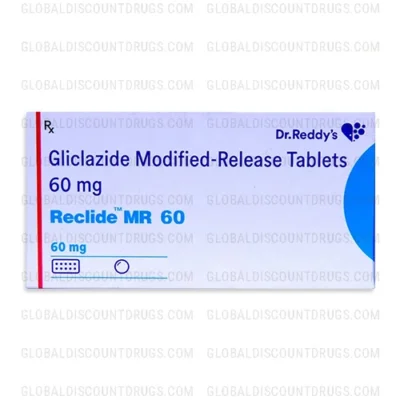


Gliclazide
In StockGliclazide is an effective medication used to control blood sugar levels in individuals with type 2 diabetes. It belongs to the class of drugs known as sulfonylureas, which work by stimulating the pancreas to release more insulin. This page provides detailed information on Gliclazide, including its usage, dosage options, potential side effects, and answers to frequently asked questions to help you understand how Gliclazide can be integrated into your diabetes management plan.

What is Gliclazide?
Gliclazide is a prescription medication that belongs to a class of drugs called sulfonylureas. It is used to help manage blood sugar levels in adults with type 2 diabetes.
Approved and commonly prescribed uses include:
- Managing type 2 diabetes in adults when diet, physical activity, and weight management alone are not enough to control blood glucose
Gliclazide is not used for type 1 diabetes or for diabetes in children, since it works by stimulating the body’s own insulin production, which is not effective in those settings.
Available formulations:
- Standard-release oral tablets
- Modified-release (extended-release) oral tablets, which are taken once daily
The specific strength and formulation prescribed will depend on an individual patient’s needs and response to treatment, as determined by their physician.
What is the Recommended Dosage of Gliclazide?
Dosage of gliclazide varies from person to person and is not something patients should determine on their own. A prescribing specialist takes into account:
- The type of formulation (standard-release vs. modified-release)
- How well blood sugar responds to the starting dose
- Age, since older adults may need closer monitoring
- Kidney and liver function, since impairment in either organ can affect how the medication is processed
- Other medications and overall health status
General points about dosing:
- Gliclazide tablets are typically taken by mouth, usually with a meal, to help reduce stomach upset and support steady blood sugar control.
- Modified-release tablets are generally taken once daily, while standard-release tablets may be taken once or twice daily depending on the total dose.
- Tablets are usually swallowed whole; they should not be crushed, split, or chewed unless a physician specifically directs otherwise, since this can affect how the medication is absorbed.
- Doses are typically started low and adjusted gradually by a specialist based on blood sugar response.
- This page does not provide exact numeric dosing because appropriate dosing must be individualized and confirmed by a licensed medical specialist.
How Gliclazide Works
Gliclazide works mainly by acting on the pancreas. It stimulates the beta cells in the pancreas to release more insulin, the hormone responsible for helping the body move sugar out of the bloodstream and into cells for energy. Gliclazide may also help improve how the body responds to insulin and can reduce the amount of glucose produced by the liver.
Because gliclazide relies on the pancreas still being able to produce and release insulin, it is used specifically for type 2 diabetes and is not effective for type 1 diabetes, where the pancreas produces very little or no insulin.
Gliclazide helps manage blood sugar levels — it does not cure diabetes. Ongoing treatment, regular monitoring, and lifestyle measures such as diet and physical activity typically remain an important part of care.
Is a Prescription Required to Buy Gliclazide Online?
Yes. Gliclazide is a prescription-only medication. Patients should consult a licensed medical specialist, such as an endocrinologist or primary care physician experienced in diabetes management, before starting treatment.
Patients should be cautious of websites offering gliclazide without a prescription, at unusually low prices, or without clear sourcing information. Counterfeit medications can be ineffective or unsafe, and any product intended for veterinary use should never be substituted for human use. Gliclazide should only be obtained from licensed, verified pharmacies.
Side Effects of Gliclazide
Common Side Effects
- Low blood sugar (hypoglycemia), especially if meals are skipped or delayed
- Nausea, indigestion, or stomach discomfort
- Diarrhea or constipation
- Increased hunger
- Dizziness or headache
- Mild shaking or trembling of the hands
- Gradual weight gain with long-term use
Serious Side Effects
- Signs of severe hypoglycemia, such as confusion, excessive sweating, blurred vision, difficulty concentrating, or fainting
- Signs of a serious skin reaction, such as widespread rash, blistering, or peeling skin
- Signs of a liver problem, such as yellowing of the skin or eyes (jaundice), dark urine, or unusual fatigue
- Signs of a blood disorder, such as unusual bruising or bleeding, persistent sore throat, or fever
- Signs of a severe allergic reaction, such as swelling of the face, lips, or throat, or difficulty breathing
Patients should seek immediate medical attention if they experience signs of severe low blood sugar or any of the serious symptoms above. If mild hypoglycemia occurs, taking a fast-acting source of sugar (such as juice or glucose tablets) and contacting a healthcare provider is generally advised. This list is not exhaustive; any unusual or concerning symptom should be reported to a healthcare provider.
Drug Interactions
Gliclazide can interact with a range of other medications and substances, which may increase the risk of high or low blood sugar. Patients should always give their prescribing specialist a full list of everything they take, including:
- Prescription medications, such as other diabetes medications, certain antifungal medications (including miconazole, which should generally be avoided with gliclazide), certain antibiotics, beta-blockers, corticosteroids, and blood thinners
- Over-the-counter (OTC) medications, including certain pain relievers and anti-inflammatory products
- Supplements and herbal products, since some may affect blood sugar levels
- Alcohol, which can increase the risk of low blood sugar and should generally be limited or avoided
A licensed medical specialist or pharmacist should review a patient’s complete medication list before gliclazide is started, and whenever a new medication or supplement is added.
Safety & Important Considerations
- Liver or kidney disease precautions: Gliclazide is generally not recommended for patients with severe liver or kidney impairment, as insulin therapy may be preferred in these situations. Dose adjustments and closer monitoring may be needed for milder impairment.
- Pregnancy and breastfeeding: Gliclazide is generally not recommended during pregnancy or while breastfeeding. Patients who are pregnant, planning a pregnancy, or breastfeeding should discuss alternative treatment options with their specialist.
- Age-related considerations: Gliclazide is not used in children. Older adults may have an increased risk of low blood sugar and may require closer monitoring and more conservative dosing.
- Monitoring requirements: Regular blood sugar monitoring is typically recommended, along with periodic checks of kidney and liver function. Patients should also be aware of the signs and symptoms of hypoglycemia and know how to respond.
- Regular meals matter: Because gliclazide increases insulin release, patients are generally advised to eat regular meals, particularly breakfast, and to avoid skipping meals, to reduce the risk of low blood sugar.
- Stress and illness: Fever, infection, trauma, or surgery can affect blood sugar control, and patients should inform their specialist if such situations occur while on treatment.
This medication should be used strictly according to its approved indication and a specialist’s guidance; using it for unapproved purposes is not recommended.
Who This Medication Is For
Gliclazide is generally prescribed for adults who have:
- Type 2 diabetes that has not been adequately controlled through diet, exercise, and weight management alone
The decision to prescribe gliclazide is based on an individualized evaluation of the patient’s overall health, ability to maintain regular meals, and other medical conditions.
Who Should Not Take Gliclazide
Gliclazide may not be appropriate for people who:
- Have type 1 diabetes
- Have diabetes complicated by ketoacidosis, diabetic pre-coma, or coma
- Have severe kidney or liver impairment
- Are currently taking miconazole (an antifungal medication)
- Have a known allergy to gliclazide, other sulfonylureas, or sulfonamide medications
- Are pregnant or breastfeeding
- Are children or adolescents
This is not a complete list. A full medical history review by a licensed specialist is necessary to determine whether gliclazide is appropriate.
What to Do If You Miss a Dose
- If a dose is missed, it is generally advised to take it as soon as remembered.
- If it is almost time for the next scheduled dose, the missed dose should be skipped rather than doubled.
- Never take two doses at once to make up for a missed one.
- If there is any uncertainty about a missed dose, or if symptoms of high or low blood sugar occur, contact a licensed medical specialist or pharmacist for guidance.
Related medications to Gliclazide
Gliclazide belongs to the sulfonylurea group of diabetes medicines in markets where it is used. Related pages include Glimepiride, Glipizide, and Glyburide/Glibenclamide. Gliclazide-Metformin contains gliclazide together with metformin.
Storage Instructions
- Store gliclazide tablets at room temperature, in a cool, dry place.
- Protect the medication from excess moisture and direct light.
- Keep the medication in its original packaging until it is time to take a dose.
- Store out of reach and sight of children and pets.
- Do not use tablets past their expiration date; dispose of unused or expired medication according to local guidelines or pharmacy take-back programs.
Disclaimer:
This page is for educational purposes only. It is not a substitute for professional medical advice, diagnosis, or treatment. Patients must consult a licensed physician or relevant medical specialist (such as an endocrinologist) before starting, changing, or stopping gliclazide. Treatment decisions must be based on a full clinical evaluation by a qualified specialist.
Prescription Required (Rx) to Buy?
This medication is not available over the counter. A valid prescription from a licensed healthcare
professional is required. Always consult your doctor before use.