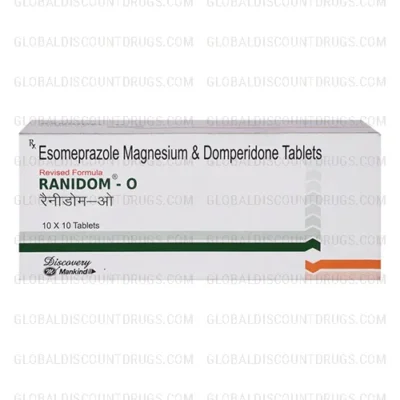
Domperidone
In StockDomperidone is a peripheral dopamine antagonist used to treat nausea, vomiting, and certain motility disorders like gastroparesis. It works by blocking dopamine receptors in the chemoreceptor trigger zone and in the upper gastrointestinal tract, enhancing stomach contractions. This dual action relieves both the sensation of nausea and improves food movement through the digestive system. Domperidone is a valued API for functional and drug-induced gastrointestinal disturbances.

What is Domperidone?
Domperidone is a medicine that belongs to a drug class called prokinetic agents (dopamine antagonists) with antiemetic (anti-nausea) properties. It works on the digestive system and on nausea-control pathways, without significantly crossing into the brain in most patients, which distinguishes it from some other drugs in its class.
In countries where it is approved, domperidone is commonly used for:
- Relief of nausea, vomiting, and feelings of fullness or discomfort related to slow stomach emptying
- Symptoms of gastroesophageal reflux, such as regurgitation of stomach contents
- Nausea and vomiting associated with certain medical treatments, under specialist guidance
- Off-label use, in some countries and clinical settings, to help increase breast milk supply in lactating women — though this use is not officially approved in any country and carries specific cardiac safety concerns described below
Available formulations of domperidone typically include:
- Oral tablets (Domperidone 10mg)
- Oral suspension (liquid)
Strengths and maximum approved daily doses vary by country and by whether a product is prescription-only or, in a small number of countries, available in limited form without a prescription.
What is the Recommended Dosage of Domperidone?
Domperidone dosage is individualized and depends on several factors, including:
- The specific condition being treated
- The patient’s age
- Body weight, particularly in pediatric use where permitted
- Liver or kidney function, since impairment in either organ can increase blood levels of the drug and the associated cardiac risk
Available dosage forms include oral tablets and oral suspension, where approved.
Because of the dose-related cardiac risk associated with domperidone, dosing limits are especially important with this medicine. In countries where it is approved, regulators have generally restricted the maximum daily dose (for example, to 30 mg per day in some regions) and recommend the lowest effective dose for the shortest possible duration. Exact dosing should never be taken from a general guide. Dosing must always follow the instructions of the prescribing doctor or local regulatory guidance, and higher doses should never be used without explicit medical supervision, including ECG monitoring in some cases.
How Domperidone Works
Domperidone works by blocking dopamine receptors in the digestive tract and in the area of the brain that triggers nausea and vomiting. By blocking these receptors, it:
- Increases the tone and contractions of the stomach and upper intestine, which speeds up stomach emptying
- Reduces the backward flow of stomach contents into the esophagus
- Reduces the sensation of nausea
Domperidone’s cardiac risk arises from a separate effect: it can also block a channel in heart muscle cells known as the hERG channel, which can prolong the heart’s electrical recovery time (measured on an ECG as the “QT interval”). This effect can, particularly at higher doses or in higher-risk patients, lead to serious and potentially fatal heart rhythm disturbances.
Domperidone manages symptoms related to nausea, slow stomach emptying, and reflux; it does not cure the underlying cause of these conditions.
Is a Prescription Required to Buy Domperidone Online?
In countries where domperidone is approved, it is generally a prescription-only medicine, though a small number of countries permit limited, lower-dose, short-duration non-prescription use in pharmacies. In the United States, domperidone is not approved for any use and cannot be legally prescribed or sold.
Patients should consult a licensed medical professional in their own country before considering domperidone, such as:
- A gastroenterologist (digestive system specialist)
- A general physician familiar with the patient’s full medical history and local prescribing regulations
Patients — especially those in countries where domperidone is not approved — should be cautious of websites, compounding pharmacies, or international sellers offering domperidone without a valid local prescription, since these sources may provide unregulated, counterfeit, or inappropriately dosed products without the safety oversight (such as cardiac risk screening) that a licensed prescriber would normally provide.
Side Effects of Domperidone
Common Side Effects
These are usually mild and may improve as the body adjusts to the medicine:
- Dry mouth
- Headache
- Stomach cramps or discomfort
- Diarrhea
- Drowsiness
Serious Side Effects
Serious side effects require prompt medical attention. These can include:
- Irregular or rapid heartbeat, palpitations, fainting, or other signs of a serious heart rhythm problem — this is the primary serious risk associated with domperidone and requires immediate medical attention
- Symptoms of high prolactin levels, such as unusual breast milk production (in patients not using it for that purpose), breast enlargement or tenderness, or menstrual changes
- Signs of a severe allergic reaction, such as swelling of the face or throat, or difficulty breathing
- Movement-related symptoms, such as muscle stiffness or tremor, though these are less common than with some other dopamine-blocking medicines since domperidone crosses into the brain less than similar drugs
- New or worsening psychiatric symptoms — the FDA has noted reports of agitation, confusion, and, rarely, suicidal thoughts occurring around sudden discontinuation or dose reduction of domperidone, particularly at higher doses used off-label for lactation
Seek immediate medical care if any of these serious symptoms occur. This is not a complete list of possible side effects, and patients should report any unusual or persistent symptoms to their doctor. Patients should also not stop domperidone abruptly without medical guidance, particularly after extended use, given the reports noted above — a doctor can advise on an appropriate approach.
Drug Interactions
Domperidone’s cardiac risk is significantly affected by other medications that raise its blood levels or that also affect heart rhythm. Patients should inform their doctor about all medications and supplements they take, including:
- Medications that prolong the QT interval, such as certain antibiotics (including erythromycin and clarithromycin), certain antifungals, and certain antipsychotic or antiarrhythmic medications — combining these with domperidone significantly increases cardiac risk and is generally avoided
- Potent CYP3A4 enzyme inhibitors, such as ketoconazole, certain HIV medications, and certain other antifungals, which can raise domperidone blood levels substantially
- Other dopamine-affecting medications, since combined use may increase the risk of movement-related side effects
- OTC medications and herbal or dietary supplements, particularly any that affect heart rhythm or liver enzyme activity
Always provide a complete and current list of all medications, supplements, and herbal products to the prescribing doctor or pharmacist before starting domperidone.
Safety & Important Considerations
- Cardiac risk is the central safety concern with domperidone. Patients over 60 years of age, those taking daily doses above regulatory limits, and those with pre-existing heart conditions or electrolyte imbalances are at greater risk of serious arrhythmia.
- Electrolyte balance: Low potassium or magnesium levels increase the risk of domperidone-related heart rhythm problems, so these should be corrected before starting treatment when relevant, and monitored during treatment if there is a reason for concern.
- Liver or kidney disease: Impairment in either organ can raise domperidone blood levels and therefore cardiac risk, and dose adjustment or closer monitoring may be needed.
- Heart disease: Patients with a personal history of heart rhythm problems, heart failure, or other significant cardiac conditions are generally advised to avoid domperidone or to use it only under close specialist supervision, sometimes including ECG monitoring.
- Off-label lactation use: Domperidone is not approved anywhere for increasing breast milk supply. Regulators in multiple countries have specifically warned against this use due to cardiac risk, and the FDA has additionally flagged reports of neuropsychiatric symptoms associated with stopping or reducing domperidone after this type of off-label use.
- Pregnancy: Domperidone is generally not recommended during pregnancy unless a doctor determines it is necessary and the benefits outweigh the risks.
- Duration of use: As with other dopamine-blocking prokinetic medicines, regulators generally recommend the shortest effective duration of treatment, with periodic reassessment by the prescribing doctor.
This medicine should only be used for its approved indications, in countries where it is approved, and as directed by a licensed prescriber.
Who This Medication Is For
In countries where domperidone is approved, it is generally prescribed for adults who have:
- Nausea and vomiting from various causes
- Symptoms related to slow stomach emptying or gastroesophageal reflux
- A clinical need for short-term symptom relief where the benefit is judged to outweigh the cardiac risk, following an individualized risk assessment
The decision to prescribe domperidone, where legally available, is based on an individual clinical evaluation by a qualified healthcare provider, including consideration of cardiac risk factors.
Who Should Not Take Domperidone
Domperidone may not be appropriate for individuals who:
- Have a known allergy or hypersensitivity to domperidone
- Have significant heart disease, a history of heart rhythm problems, or other conditions that prolong the QT interval
- Have moderate to severe liver impairment
- Are taking medications that significantly raise domperidone blood levels or that also prolong the QT interval, such as certain antibiotics, antifungals, or antipsychotics
- Have a gastrointestinal hemorrhage, mechanical obstruction, or perforation, where increased gut motility could be harmful
- Have a prolactin-secreting pituitary tumor (prolactinoma)
- Reside in the United States, where the medicine is not approved for any use
Patients with any of these conditions should discuss alternative treatment options with their doctor.
What to Do If You Miss a Dose
If a dose is missed:
- Take it as soon as it is remembered, unless it is almost time for the next scheduled dose.
- If it is close to the next dose, skip the missed dose and continue with the regular dosing schedule.
- Never take a double dose to make up for a missed one.
- If there is uncertainty about what to do, or if there is any reason to consider stopping the medicine, contact the prescribing doctor or pharmacist for guidance rather than stopping abruptly on your own.
Related medications to Domperidone
Other medications or approaches that may be considered for related conditions, depending on the specific diagnosis and local availability, include:
- Metoclopramide, another prokinetic/antiemetic medicine, which carries its own boxed warning regarding tardive dyskinesia with prolonged use
- Other antiemetic medications, such as ondansetron, for nausea and vomiting, depending on the underlying cause
- Proton pump inhibitors or H2 blockers, for reflux symptoms not primarily related to slow stomach emptying
- Non-pharmacological approaches to support lactation, such as frequent breastfeeding or pumping and lactation consultant support, for patients specifically seeking to increase milk supply
Switching between treatments should only be done after a full discussion with a licensed medical provider, who can weigh the benefits and risks based on the individual’s health history and local regulatory context.
Storage Instructions
- Store at room temperature, in a cool, dry place away from direct sunlight and excess moisture.
- Keep the medicine in its original packaging until it is time to take a dose.
- Store out of reach and sight of children and pets to prevent accidental ingestion.
- Do not use the medicine beyond its printed expiration date, and dispose of unused or expired medicine according to local pharmacy or municipal guidelines.
Disclaimer:
This page is intended for educational purposes only and does not constitute medical advice. Domperidone is not approved for use in the United States. Patients and caregivers must consult a licensed physician or gastroenterologist in their own country before starting, changing, or stopping this medication. All treatment decisions should be based on a full clinical evaluation by a qualified healthcare provider who is familiar with the patient’s individual medical history, local drug regulations, and cardiac risk factors.
Prescription Required (Rx) to Buy?
This medication is not available over the counter. A valid prescription from a licensed healthcare
professional is required. Always consult your doctor before use.