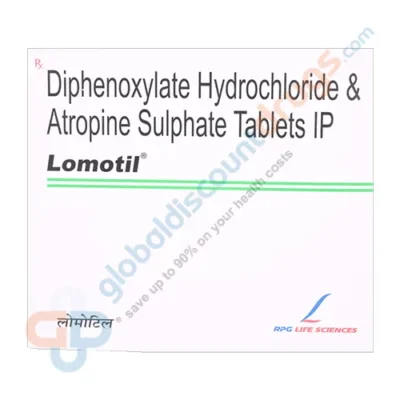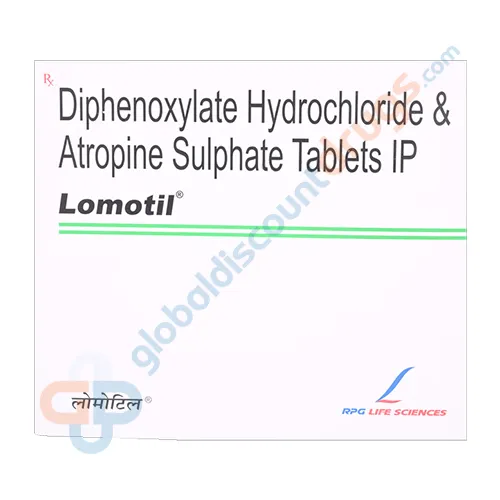
Diphenoxylate-Atropine
In StockDiphenoxylate-Atropine is used to treat diarrhea by slowing bowel movement. Diphenoxylate reduces intestinal contractions, while Atropine prevents misuse by controlling dosage. It provides quick relief from frequent stools and dehydration. The medicine helps restore normal bowel rhythm safely. Use under medical advice for short-term control of diarrhea.

What Is Diphenoxylate-Atropine?
Diphenoxylate-atropine is a combination medication used to help manage diarrhea. It belongs to the antidiarrheal drug class and combines two ingredients that work differently:
- Diphenoxylate, which acts on the digestive tract to slow down intestinal movement, giving the body more time to absorb fluids
- Atropine, an anticholinergic ingredient included in a low, subtherapeutic amount specifically to discourage taking more than the recommended dose
This combination is available under brand names such as Lomotil, among others.
It is used as adjunctive (add-on) therapy for diarrhea, meaning it is typically used alongside other supportive measures such as fluid and electrolyte replacement, not as a stand-alone cure.
Available formulations typically include:
- Oral tablets (Diphenoxylate-Atropine 2.5mg-0.025mg)
- Oral liquid/solution
In the United States, diphenoxylate-atropine is classified as a Schedule V controlled substance, reflecting some potential for misuse, though lower than many other opioid-related medications.
What Is the Recommended Dosage of Diphenoxylate-Atropine?
Dosage depends on individual factors that only a licensed medical specialist can properly evaluate, including:
- The severity and cause of the diarrhea
- The patient’s age — this medication is not used in young children
- Body weight
- Liver function, since the drug is processed by the liver
- Other health conditions or medications
Diphenoxylate-atropine is generally taken by mouth, often several times a day, until diarrhea symptoms are controlled, after which the dose may be reduced. It should not be used for longer than a short course without specialist follow-up. If diarrhea does not improve within about 48 hours, or continues despite treatment, patients should contact their specialist — this may indicate the medication is not appropriate for the underlying cause.
Do not adjust your dose on your own, and never give this medication to a child without explicit direction from a licensed medical specialist, since dosing in children carries serious safety risks (see Sections 7 and 9).
How Diphenoxylate-Atropine Works
Diphenoxylate acts on receptors in the digestive tract to slow the muscle contractions that move waste through the intestines. This gives the intestines more time to absorb water and electrolytes, which can help reduce the frequency and looseness of stools. The small amount of atropine included does not meaningfully add to this effect — its role is to produce uncomfortable side effects (like dry mouth or rapid heartbeat) if someone takes more than the recommended amount, discouraging misuse.
This medication manages the symptom of diarrhea; it does not treat the underlying cause. Identifying and addressing what is causing the diarrhea is an important part of a specialist’s overall treatment plan.
Is a Prescription Required to Obtain Diphenoxylate-Atropine Online?
Yes. Diphenoxylate-atropine is a prescription-only medication and, in the United States, is also a controlled substance, meaning it is subject to additional legal restrictions on prescribing and dispensing.
Before starting this medication, patients should consult a licensed medical specialist, such as:
- A primary care physician or internal medicine physician
- A gastroenterologist, for persistent or unexplained diarrhea
Important safety notes:
- Only obtain medications from licensed, regulated pharmacies.
- Be cautious of any online source willing to sell this medication without a valid prescription — this is illegal and unsafe.
- Never use a product intended for veterinary use.
- Because this medication contains a controlled substance, legitimate pharmacies will always require prescription verification.
Side Effects of Diphenoxylate-Atropine
Common Side Effects
- Drowsiness or dizziness
- Dry mouth
- Blurred vision
- Nausea, vomiting, or stomach discomfort
- Headache
Serious Side Effects
Seek prompt medical attention, or emergency care, if you or someone taking this medication experiences:
- Slowed, shallow, or difficult breathing
- Extreme drowsiness, confusion, or difficulty waking up
- Signs of an allergic reaction, such as rash, hives, or swelling of the face or throat
- Signs of atropine-related toxicity, including high fever, unusually fast heartbeat, flushing, urinary retention, or unusually dry skin
- Severe or worsening abdominal pain or bloating
- Diarrhea that becomes bloody or does not improve
Because diphenoxylate is chemically related to opioid medications, overdose can also cause opioid-type effects such as significant respiratory depression, which may appear later than expected due to how the drug is absorbed — this is a medical emergency.
This is not a complete list. Contact your specialist about any symptom that concerns you.
Drug Interactions
Diphenoxylate-atropine can interact with a range of other substances. Categories to discuss with your specialist include:
- Other medications that cause drowsiness or slowed breathing, such as benzodiazepines, barbiturates, sedatives, muscle relaxants, other opioids, and certain antipsychotics — combining these increases the risk of excessive sedation or breathing problems
- Alcohol, which can intensify drowsiness and other central nervous system effects
- Monoamine oxidase inhibitors (MAOIs), which may interact with the diphenoxylate component
- Other anticholinergic medications, which may add to atropine-related side effects like dry mouth, blurred vision, or urinary retention
- OTC medications and herbal or dietary supplements, some of which may also cause sedation or affect the digestive tract
Always provide your licensed medical specialist and pharmacist with a full list of everything you take.
Safety & Important Considerations
- Not for infectious diarrhea from certain bacteria: This medication should not be used for diarrhea caused by certain bacterial infections (such as those linked to Clostridium difficile or other toxin-producing bacteria), because slowing the gut in these situations can worsen the illness and increase the risk of serious complications.
- Liver disease: Since the drug is processed by the liver, liver impairment may change how the medication is handled and may require closer monitoring.
- Pregnancy and breastfeeding: There is limited controlled research on the use of this medication during pregnancy. Use during pregnancy or breastfeeding should be discussed with a specialist, who will weigh potential benefits against potential risks.
- Children: This medication is not intended for young children, and its use in this age group carries a risk of severe breathing and central nervous system depression, including cases of permanent harm.
- Down syndrome: Patients with Down syndrome may be more susceptible to atropine-related side effects and should be monitored closely if this medication is prescribed.
- Dehydration and electrolyte imbalance: These should be corrected before or alongside starting treatment, as directed by a specialist.
- Dependence potential: Because diphenoxylate is chemically related to opioids, there is a potential for misuse or dependence, particularly at doses well above what is recommended.
This section is not exhaustive. Share your complete medical history with your specialist before starting treatment.
Who This Medication Is For
Diphenoxylate-atropine is generally prescribed as short-term, adjunctive therapy for diarrhea in older adolescents and adults, used alongside other supportive care such as fluid and electrolyte management. Its appropriateness depends on the suspected cause of the diarrhea and the patient’s overall health, and is determined by a licensed specialist rather than self-diagnosis.
Who Should Not Take Diphenoxylate-Atropine
This medication is generally not appropriate for:
- Young children, due to the risk of serious breathing and central nervous system depression
- Patients with diarrhea caused by certain bacterial infections, including C. difficile-associated colitis or other toxin-producing bacteria
- Patients with a known hypersensitivity or allergy to diphenoxylate or atropine
- Patients with obstructive jaundice (a type of bile flow blockage)
- Patients advised against it by their specialist for other individual health reasons
This is a general list, not a complete one. A full medical history review by a licensed specialist is necessary before starting this medication.
What to Do If You Miss a Dose
- If you take this medication on a scheduled basis and miss a dose, take it as soon as you remember, unless it is close to your next scheduled dose.
- Do not take a double dose to make up for a missed one.
- Since this medication is often used only as needed for symptom control rather than on a strict fixed schedule, follow the specific instructions your specialist gave you.
- If you are unsure what to do, contact your licensed medical specialist or pharmacist.
Related medications to Diphenoxylate-Atropine
Diphenoxylate-Atropine is a combination antidiarrheal medicine. Related pages include Loperamide and Racecadotril/Acetorphan. These medicines have different active ingredients, safety considerations, and prescribing requirements.
Storage Instructions
- Store tablets at room temperature, away from excessive heat.
- If using the oral liquid form, store as directed on the label, and be aware it may need to be discarded a set number of days after opening — check with your pharmacist.
- Keep in the original container, protected from light and moisture.
- Because this medication is a controlled substance, store it securely and out of reach of children, other household members, and pets.
- Dispose of unused medication through a pharmacy take-back program or as directed by your pharmacist; do not simply discard it in household trash.
Disclaimer:
This page is for educational purposes only. It is not a substitute for professional medical advice, diagnosis, or treatment. Patients must consult a licensed medical specialist before starting, changing, or stopping treatment with diphenoxylate-atropine. Treatment decisions must be based on a full clinical evaluation by a qualified specialist.
Prescription Required (Rx) to Buy?
This medication is not available over the counter. A valid prescription from a licensed healthcare
professional is required. Always consult your doctor before use.