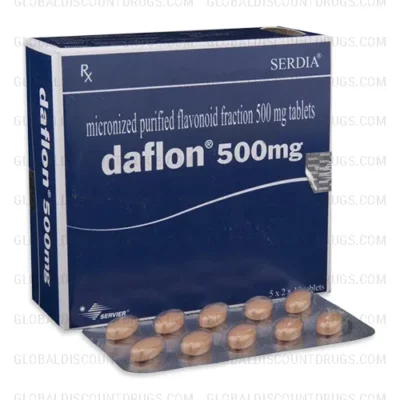
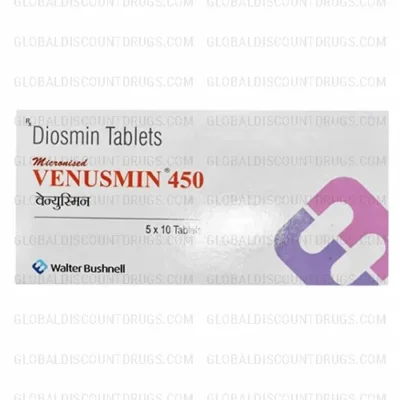
Diosmin
In StockDiosmin is a naturally derived flavonoid compound used extensively to improve venous tone and microcirculation, primarily for treating chronic venous insufficiency (CVI) and hemorrhoids. It works by prolonging the vasoconstrictor effect of norepinephrine on the vein wall, reducing capillary permeability and inflammation. This API effectively reduces symptoms like leg heaviness, pain, and swelling associated with venous disorders. Diosmin provides essential support for vascular health.

What is Diosmin?
Diosmin is a plant-derived compound belonging to a class of substances called flavonoids, most often extracted from citrus fruit rinds. It belongs to a drug/supplement class known as venotonics (also called phlebotonics or vasoprotective agents), which are used to support vein health and function.
Diosmin is commonly used to help manage:
- Chronic venous insufficiency (a condition in which leg veins have difficulty returning blood to the heart)
- Symptoms of varicose veins, such as heaviness, aching, and swelling
- Hemorrhoids, including symptom relief during acute flare-ups
- Some formulations are also studied for venous leg ulcers, though evidence for this use is more limited
Diosmin is available in several formulations, which may include:
- Standard (non-micronized) oral tablets
- Micronized tablets, in which the particles are broken down for improved absorption
- Combination products that pair diosmin with a small amount of hesperidin, another flavonoid (sometimes labeled as micronized purified flavonoid fraction, or MPFF)
Available strengths vary between manufacturers and countries — common tablet strengths include amounts such as 300 mg or 600 mg, though exact strengths and formulations differ by brand and region. Patients should confirm the specific strength and formulation of the product they have been prescribed or recommended.
What is the Recommended Dosage of Diosmin?
There is no single dose appropriate for everyone. The right dosage depends on several factors, including:
- The specific condition being treated (for example, chronic venous insufficiency versus an acute hemorrhoid flare-up)
- The severity of symptoms
- The patient’s age
- Body weight, in some cases
- Kidney or liver function, if relevant
Diosmin is available in different tablet strengths and forms, and treatment duration can range from several weeks (for acute symptom flare-ups) to several months (for chronic venous conditions).
Because dosing regimens differ for short-term versus long-term use, patients should not estimate or adjust their own dose. Always follow the instructions provided by a licensed medical specialist or the guidance on the product label, and avoid exceeding the recommended duration without medical supervision.
How Diosmin Works
The precise mechanism of action of diosmin has not been fully established, but research suggests it may support vein health through several proposed effects:
- Helping strengthen vein walls and improve venous tone
- Reducing the leakage of fluid from small blood vessels, which may help lessen swelling
- Reducing inflammation in and around affected veins
- Supporting lymphatic drainage in some studies
Diosmin is intended to help manage symptoms related to venous conditions and hemorrhoids — such as heaviness, swelling, and discomfort — rather than cure the underlying vein disease. It is often used alongside other management strategies, such as compression therapy or lifestyle changes, as part of a broader plan determined by a healthcare provider.
Is a Prescription Required to Buy Diosmin Online?
Prescription requirements for diosmin vary by country and by specific product. In some regions, diosmin-containing medications are available only by prescription, while in others certain formulations are sold as an over-the-counter dietary supplement.
Regardless of local regulatory status, it is strongly recommended that you consult a licensed medical specialist before starting treatment, such as:
- A phlebologist or vascular specialist (for venous insufficiency or varicose veins)
- A general practitioner or family physician
- A colorectal specialist or gastroenterologist (for hemorrhoid-related use)
If purchasing online, use only licensed, reputable pharmacies. Be cautious of:
- Products lacking clear manufacturer information or dosage details
- Unusually low prices, which may indicate counterfeit products
- Formulations intended for veterinary or non-human use
Side Effects of Diosmin
Common Side Effects
Diosmin is generally well tolerated. When side effects occur, they are usually mild and may include:
- Stomach upset or indigestion
- Diarrhea or loose stools
- Nausea
- Headache
- Dizziness
These effects often improve as the body adjusts, or when the medication is taken with food.
Serious Side Effects
Serious reactions are uncommon but can occur. Seek immediate medical attention if you experience:
- Signs of a severe allergic reaction, such as swelling of the face, lips, tongue, or throat (angioedema)
- Difficulty breathing or swallowing
- Severe or widespread rash, hives, or itching
- Chest pain, irregular heartbeat, or fainting
If you notice any sudden, severe, or unusual symptom after starting this medication, contact a healthcare provider or seek emergency care right away.
Drug Interactions
Diosmin may interact with certain other substances. Categories to be aware of include:
- Medications affecting blood vessels or circulation, including some blood pressure medications
- Blood thinners or anti-platelet medications, since combined effects on blood vessels are not fully studied
- Certain drugs metabolized through liver enzyme pathways, as diosmin may inhibit some of these enzymes
- Over-the-counter (OTC) medications, including common pain relievers and cold remedies
- Herbal products and dietary supplements, particularly other flavonoid-containing products marketed for circulation
Because interactions can vary based on individual health conditions, always provide your licensed medical specialist or pharmacist a complete and current list of everything you take, including prescription drugs, OTC products, vitamins, and herbal supplements, before starting diosmin.
Safety & Important Considerations
- Liver or kidney disease: Patients with significant liver or kidney impairment should be evaluated by a specialist before use, as data on dosing adjustments in these populations may be limited.
- Pregnancy and breastfeeding: The safety of diosmin during pregnancy and breastfeeding has not been firmly established for all formulations. Discuss the risks and benefits with a healthcare provider before use during these periods.
- Children and elderly patients: Diosmin is generally intended for adult use, and safety data in children are limited. Elderly patients may be more sensitive to side effects and should be monitored accordingly.
- Monitoring: For long-term use, a healthcare provider may recommend periodic check-ins to assess symptom improvement and watch for side effects, particularly gastrointestinal symptoms.
- Regulatory status: Formulations and approval status differ between countries; in some regions diosmin is regulated as a prescription medication, while in others it is marketed as a dietary supplement. Always check the regulatory status and approved uses specific to your location.
This medication should be used only for its intended purpose, as directed by a qualified healthcare provider. Off-label use should not be pursued without professional guidance.
Who This Medication Is For
Diosmin is generally intended for adults who have been diagnosed with:
- Chronic venous insufficiency, with symptoms such as leg heaviness, aching, cramping, or mild swelling
- Varicose veins with associated discomfort
- Acute or chronic hemorrhoidal symptoms
It is typically used as part of a broader treatment plan that may include lifestyle changes, compression therapy, or other interventions recommended by a healthcare provider.
Who Should Not Take Diosmin
You may not be a suitable candidate for this medication if you:
- Have a known allergy or hypersensitivity to diosmin or other flavonoid compounds
- Have a history of severe allergic reactions to citrus-derived supplements
- Are pregnant or breastfeeding, unless specifically advised otherwise by a healthcare provider
- Have a condition that your doctor determines makes this medication inappropriate for you
This is not a complete list of contraindications. A licensed medical specialist can review your full medical history to determine whether this medication is appropriate for you.
What to Do If You Miss a Dose
If you miss a dose of diosmin:
- Take the missed dose as soon as you remember, unless it is close to the time of your next scheduled dose
- If it is almost time for your next dose, skip the missed dose and resume your normal schedule
- Do not take a double dose to make up for a missed one
- If you are unsure what to do, or if you miss multiple doses, contact your licensed medical specialist or pharmacist for guidance
Related medications to Diosmin
Other medications and approaches within the same general therapeutic category (venotonics and vein-support therapies) may include:
- Diosmin-hesperidin combination products (micronized purified flavonoid fraction)
- Other flavonoid-based venotonics, such as troxerutin or rutin-based products
- Horse chestnut seed extract (aescin)
- Compression therapy (stockings or wraps), used alone or alongside medication
- Other prescription options, depending on the specific venous condition
These related medications are not necessarily interchangeable with diosmin, and switching treatments should only be done after consultation with a licensed medical specialist, who can evaluate what is most appropriate for your individual condition.
Storage Instructions
- Store at room temperature, generally between 68°F and 77°F (20°C to 25°C), unless otherwise specified on the product label
- Keep the medication in its original container, away from excess moisture and direct light
- Keep out of reach of children and pets, ideally in a locked or high cabinet
- Do not use the product past its expiration date, and dispose of unused or expired medication according to local guidelines or pharmacy take-back programs
Disclaimer:
This page is for educational purposes only. It is not a substitute for professional medical advice, diagnosis, or treatment. Patients must consult a licensed medical specialist — such as a vascular specialist, phlebologist, or primary care provider — before starting, changing, or stopping treatment with diosmin. Treatment decisions must be based on a full clinical evaluation by a qualified specialist familiar with your individual medical history.
Prescription Required (Rx) to Buy?
This medication is not available over the counter. A valid prescription from a licensed healthcare
professional is required. Always consult your doctor before use.