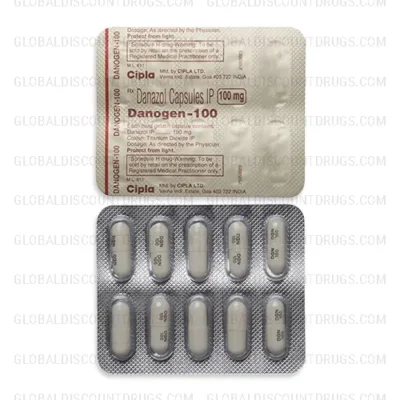
Danazol
In StockDanazol is a synthetic androgen used to treat gynecological conditions such as endometriosis and fibrocystic breast disease, and hereditary angioedema. It works by suppressing the pituitary-ovarian axis, which decreases the production of estrogen and progesterone, leading to atrophy of the endometrial tissue. This API provides effective symptomatic relief by reducing pelvic pain and lesion size in estrogen-dependent disorders. Danazol is a specialized hormonal modulator in reproductive health.

What Is Danazol?
Danazol is a prescription medicine taken by mouth as a capsule. It is a synthetic (man-made) steroid related to the male hormone testosterone. Its drug class is often described as an antigonadotropin or synthetic androgen derivative. It lowers the body’s release of certain hormones that signal the ovaries and testes.
Approved Uses
In the United States, danazol is approved for:
- Endometriosis. Treating endometriosis in people who do not respond to other treatments or who have not responded to other options.
- Hereditary angioedema (HAE). Helping prevent attacks of swelling in the skin, belly, and airway.
- Fibrocystic breast disease. Managing severe breast pain and nodularity when other treatments have not helped (not all labels include this use).
Other Prescribed Uses
Specialists sometimes prescribe danazol for certain blood disorders, such as immune thrombocytopenia (low platelets) or some types of bone marrow failure. These uses are decided by the specialist for each patient and are not approved indications on the standard U.S. label.
Available Formulations and Strengths
| Form | Common Strengths |
|---|---|
| Oral capsule | Danazol 50mg, Danazol 100mg, Danazol 200mg |
Danazol is currently sold mainly as a generic. Available products can vary by country and pharmacy.
What Is the Recommended Dosage of Danazol?
There is no single dose that fits everyone. A licensed specialist decides the dose and length of treatment based on several factors:
- The condition being treated. Doses and treatment length differ for endometriosis, hereditary angioedema, and other uses. Some conditions are treated for months, while others may require longer-term use under close monitoring.
- Age. Use in children and older adults needs extra care.
- Body weight. This may affect dosing in some cases.
- Liver, kidney, and heart function. Danazol is processed by the liver. It can cause fluid retention. People with significant liver, kidney, or heart problems generally should not use it.
- Response to treatment and side effects. Doses are often adjusted over time.
Dosage Forms
- Capsules taken by mouth, usually split into daily doses and taken with or without food as directed
Important Note
Always follow the exact directions on your prescription label and from your specialist. Do not change your dose, skip doses, or stop treatment without talking to your provider. This page does not give exact doses because they must be set for each person.
How Danazol Works
Danazol changes how hormones work in the body.
- For endometriosis: Danazol lowers the hormone signals from the brain’s pituitary gland that tell the ovaries to make estrogen. With less estrogen, endometriosis tissue tends to shrink and become less active. Periods often become lighter or stop while taking it. This may help reduce pain.
- For hereditary angioedema: Danazol increases the body’s level of a protein called C1 esterase inhibitor, which people with HAE do not make enough of or do not make properly. This may reduce how often swelling attacks occur.
- For fibrocystic breast disease: Lowering hormone levels can reduce breast tissue swelling and tenderness.
Danazol helps manage these conditions while it is being taken. It does not cure endometriosis, hereditary angioedema, or fibrocystic breast disease. Symptoms may return after treatment ends. It is not used for sudden attacks of HAE that are already underway.
Is a Prescription Required to Buy Danazol Online?
Yes. Danazol is a prescription-only medicine in the United States and in most other countries.
Who Should You Talk To?
- A gynecologist (OB-GYN) for endometriosis or fibrocystic breast disease
- An allergist/immunologist for hereditary angioedema
- A hematologist for blood disorders when it is used for those reasons
Buying Safely
- Only use pharmacies that are licensed and require a valid prescription. In the U.S., you can check a pharmacy’s status with your state board of pharmacy or look for pharmacy verification programs.
- Be careful of websites that sell danazol without a prescription, offer unusually low prices, or ship from unclear locations. These products may be counterfeit, expired, contaminated, or the wrong strength.
- Do not use products labeled for animals (veterinary products). They are not made or tested for human use.
- Check that the label, name, strength, and capsule appearance match what your provider prescribed. Ask your pharmacist if anything looks different.
Side Effects of Danazol
Everyone reacts differently. Some people have mild effects, and others have more noticeable ones.
Common Side Effects
- Weight gain
- Acne or oily skin
- Increased hair growth on the face or body (hirsutism) or hair thinning on the scalp
- Menstrual changes, including spotting, lighter periods, or no periods
- Hot flashes or sweating
- Vaginal dryness or irritation
- Fluid retention or swelling
- Muscle cramps or muscle pain
- Headache, dizziness, or tiredness
- Mood changes, nervousness, or sleep trouble
- Breast size reduction in some people
Effects of Androgen-Like Action
- Deepening of the voice, hoarseness, or throat changes. These changes may not fully reverse after stopping treatment. Tell your provider right away if you notice voice changes.
- Enlargement of the clitoris, which may not fully reverse
- Changes in sex drive
Serious Side Effects
Serious problems are uncommon but possible. They include:
- Blood clots (in the legs, lungs, brain, or heart), stroke, and heart attack
- Liver problems, including liver inflammation, jaundice, a rare condition called peliosis hepatis (blood-filled cysts in the liver), and benign liver tumors (adenomas). These can bleed without warning.
- Increased pressure inside the skull (benign intracranial hypertension, also called pseudotumor cerebri), which can cause headache, vision changes, and nausea
- Muscle breakdown (rhabdomyolysis), especially when combined with certain medicines
- Severe skin reactions or allergic reactions
- Changes in blood cell counts and cholesterol levels
- Blood sugar changes
- Harm to an unborn baby, including masculinization of a female fetus
When to Get Medical Help Right Away
Call emergency services or go to the nearest emergency room if you have:
- Chest pain or pressure, or sudden shortness of breath
- Sudden weakness, numbness, trouble speaking, or confusion
- Sudden severe headache or sudden vision loss
- Pain, swelling, warmth, or redness in one leg
- Coughing up blood
- Severe or worsening belly pain, especially with a mass or swelling
- Swelling of the face, lips, tongue, or throat, or trouble breathing
Contact your provider promptly for yellow skin or eyes, dark urine, ongoing headaches or vision changes, severe muscle pain or weakness, unusual bruising or bleeding, or signs of pregnancy.
Drug Interactions
Some medicines and products can change how danazol works or raise the chance of side effects.
Major Interaction Categories
- Cholesterol-lowering medicines (statins). Danazol can greatly raise levels of simvastatin, lovastatin, and atorvastatin, which raises the risk of serious muscle damage. Some of these combinations are not allowed.
- Blood thinners (such as warfarin). Danazol can increase the blood-thinning effect, which raises the risk of bleeding. Close monitoring is needed.
- Seizure medicines such as carbamazepine. Danazol may raise carbamazepine levels.
- Immune-suppressing medicines such as cyclosporine and tacrolimus. Danazol may raise their levels and affect kidney function.
- Diabetes medicines, including insulin. Danazol may change blood sugar, so doses may need adjustment.
- Hormone medicines, including birth control pills and other estrogen- or progestin-based products. These are generally not recommended for pregnancy prevention while using danazol. Nonhormonal birth control is advised.
- Medicines that affect the liver, since danazol can also strain the liver.
- Other medicines for blood pressure or fluid retention may need review.
Over-the-Counter (OTC) Medicines
Tell your provider about pain relievers, cold and allergy medicines, antacids, and any other OTC products you use.
Supplements and Herbal Products
- Supplements with hormone-like effects, such as DHEA, may add to side effects.
- Other herbal products and supplements may also affect the liver or blood clotting. Do not start or stop any supplement without checking with your provider or pharmacist.
Lab Tests
Danazol can change certain blood tests, including liver tests, cholesterol, blood counts, and thyroid and hormone tests. Tell anyone who orders or reviews your tests that you are taking it.
What You Should Do
Give your licensed healthcare provider and pharmacist a full, up-to-date list of everything you take: prescriptions, OTC medicines, vitamins, supplements, and herbal products. Keep this list current and carry a copy.
Safety & Important Considerations
Boxed Warnings (Important FDA Safety Information)
The danazol label includes a boxed warning, which is the FDA’s strongest type of warning. It covers:
- Pregnancy. Danazol must not be used during pregnancy. It can cause harm to the fetus, including masculinization of a female baby. A pregnancy test is usually done before starting, and effective nonhormonal birth control is required during treatment.
- Blood clots and stroke. Serious and sometimes fatal clotting events have been reported.
- Liver problems. Peliosis hepatis and benign liver adenomas have been linked with use. These may lead to life-threatening bleeding in the abdomen.
- Benign intracranial hypertension. This is a rise in pressure inside the skull.
Liver and Kidney
- Danazol should not be used in people with significant liver, kidney, or heart disease.
- Liver function tests are usually checked before treatment and at regular times during treatment.
Pregnancy and Breastfeeding
- Do not use danazol if you are pregnant or may become pregnant while taking it.
- Contact your provider immediately if you think you may be pregnant.
- Do not breastfeed while using danazol, because it may pass into breast milk and cause androgen effects in the baby.
Age Considerations
- Children: Danazol can affect growth, puberty, and bone development. Use in children requires specialist care and close monitoring.
- Older adults: Risks such as heart disease, clotting, and liver problems may be higher.
Monitoring
Your provider may recommend:
- Pregnancy tests before and during treatment
- Liver function tests and blood counts
- Cholesterol and blood sugar checks
- Blood pressure checks and swelling checks
- Eye exams if headaches or vision changes occur
- Imaging of the liver, such as ultrasound, if there are symptoms or when long-term use is planned
- Tracking of symptoms such as pain, bleeding pattern, swelling attacks, voice changes, and mood
Other Points to Know
- Smoking increases the risk of blood clots and heart problems.
- Tell your provider if you have diabetes, epilepsy, migraines, high blood pressure, or a history of blood clots. These conditions may be affected by danazol.
- Use the lowest effective dose for the shortest time that controls symptoms, as directed by your specialist.
Who This Medication Is For
Danazol is for people whose specialists decide it fits their medical needs. Typical patients include:
- People with endometriosis who need hormone-based treatment when other options have not worked or are not suitable
- People with hereditary angioedema who need long-term prevention of swelling attacks
- People with severe fibrocystic breast disease who have not responded to other treatments
- Patients under specialist care for certain blood disorders, where a hematologist has decided that it is appropriate
Danazol is usually not a first choice because of its side effect profile and the availability of other treatments. Only a licensed specialist can decide whether it is right for you.
Who Should Not Take Danazol
Do not use danazol if you:
- Are pregnant or may become pregnant during treatment
- Are breastfeeding
- Have significantly impaired liver, kidney, or heart function
- Have undiagnosed abnormal vaginal bleeding
- Have porphyria
- Have an androgen-dependent tumor (a tumor that grows in response to male hormones)
- Have or have had blood clots or active thrombophlebitis, or a history of stroke or heart attack, unless a specialist has directed otherwise
- Take certain statin medicines (simvastatin, lovastatin, atorvastatin), as directed by your label
- Are allergic to danazol or any ingredient in the capsule
Precautions
Use extra care and talk with your provider if you have:
- Diabetes
- High blood pressure, migraine, or epilepsy
- High cholesterol
- A history of liver disease
- Conditions that involve fluid retention
- A family history of blood clots
- Plans to become pregnant
What to Do If You Miss a Dose
- Take the missed capsule as soon as you remember.
- If it is almost time for your next dose, skip the missed one and go back to your normal schedule.
- Do not take two doses at once to make up for a missed dose.
- If you miss several doses, or you are unsure what to do, contact your licensed healthcare provider or pharmacist. Missed doses may cause spotting or a return of symptoms.
- For hereditary angioedema, ask your specialist in advance what to do if doses are missed and what to do if a swelling attack occurs.
When in doubt, call your specialist or pharmacist.
Related medications to Danazol
Other treatments may be used for similar conditions. Which one fits depends on your diagnosis, health history, and goals.
For endometriosis
- Pain relievers such as nonsteroidal anti-inflammatory drugs (NSAIDs)
- Progestin-based medicines (such as norethindrone acetate or medroxyprogesterone)
- Hormonal birth control (pills, patches, rings, or IUDs)
- GnRH agonists and antagonists (such as leuprolide, elagolix, or relugolix combination therapy)
- Surgical options
For hereditary angioedema
- C1 esterase inhibitor products
- Lanadelumab
- Berotralstat
- Other newer preventive treatments
- Separate medicines used to treat sudden attacks, such as icatibant or ecallantide
For fibrocystic breast disease
- Supportive bras, pain relievers, and lifestyle approaches
- Other hormonal treatments chosen by a specialist
Each option has its own benefits and risks. Do not switch, stop, or combine treatments on your own. Talk with a licensed specialist before making any change.
Storage Instructions
- Store at room temperature, generally 68°F to 77°F (20°C to 25°C), unless the label says otherwise.
- Keep the capsules in the original tightly closed container.
- Protect from moisture and heat. Do not store them in a bathroom.
- Protect from light. Keep the container in a dry place away from direct sunlight.
- Check the expiration date. Do not use capsules that are expired, discolored, or damaged.
- Keep out of the sight and reach of children and pets. Consider a locked cabinet or storage box.
- Ask your pharmacist about safe disposal of unused or expired medicine.
Disclaimer:
This page is for educational purposes only. It is not a substitute for professional medical advice, diagnosis, or treatment. Patients must consult a licensed gynecologist, allergist/immunologist, hematologist, or other relevant licensed medical specialist (depending on the reason for use) before starting, changing, or stopping treatment. Treatment decisions must be based on a full clinical evaluation by a qualified specialist. Always follow the prescribing information and the instructions from your healthcare provider and pharmacist. If you think you are having a medical emergency, call your local emergency number immediately.
Prescription Required (Rx) to Buy?
This medication is not available over the counter. A valid prescription from a licensed healthcare
professional is required. Always consult your doctor before use.