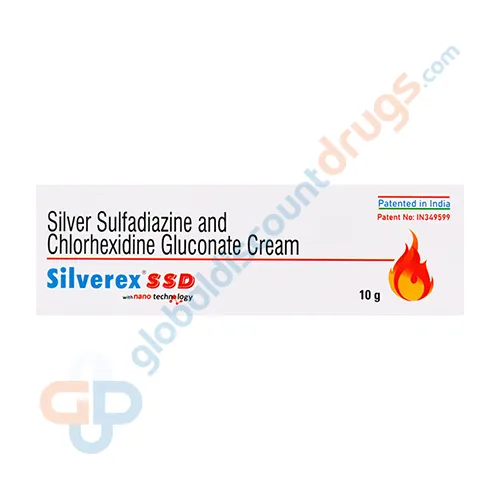

Chlorhexidine Gluconate-Silver Sulfadiazine
In StockChlorhexidine Gluconate–Silver Sulfadiazine is a prescription medicine used to help prevent and treat infections in burns, wounds, and skin injuries. It combines an antiseptic with an antimicrobial agent. Chlorhexidine helps reduce harmful microorganisms on the skin, while silver sulfadiazine helps inhibit bacterial growth. This combined action supports wound protection and infection control. Use only as directed on the product label or by a healthcare professional.

What is Chlorhexidine Gluconate–Silver Sulfadiazine?
Chlorhexidine gluconate–silver sulfadiazine is a topical combination medication that belongs to the antimicrobial/antiseptic drug class. It combines two active ingredients that work together to help prevent and control infection in damaged skin:
- Silver sulfadiazine – a sulfonamide-derivative antimicrobial agent commonly used in burn care
- Chlorhexidine gluconate – a broad-spectrum antiseptic that helps reduce bacterial growth on the skin surface
This combination is most commonly prescribed for the prevention and treatment of infection in second- and third-degree burns, as well as for certain other open wounds where a healthcare provider determines topical antimicrobial coverage is appropriate.
Common formulations include:
- Topical cream
- Topical ointment (in some formulations)
Availability of specific strengths and formulations may vary by region and manufacturer. Patients should confirm the exact product formulation with their pharmacist or prescribing specialist.
What is the Recommended Dosage of Chlorhexidine Gluconate–Silver Sulfadiazine?
Dosage and application frequency are determined by a licensed medical specialist and depend on several individual factors, including:
- The size, depth, and location of the burn or wound
- The patient’s age
- Body surface area affected
- Kidney and liver function
- Presence of other medical conditions or allergies
General principles:
- The medication is typically applied directly to the affected area as a thin, even layer, usually once or twice daily, but exact frequency and amount must be determined by the treating clinician.
- Dosing forms available may include topical cream applied under sterile technique or dressing.
- This guide does not provide individualized dosing instructions. Always follow the specific application schedule provided by your burn specialist, dermatologist, or treating physician.
How Chlorhexidine Gluconate–Silver Sulfadiazine Works
This combination medication works through two complementary mechanisms:
- Silver sulfadiazine releases silver ions slowly at the wound surface. These ions interfere with the bacterial cell membrane and disrupt processes bacteria need to survive and multiply, helping to reduce the bacterial load in the wound.
- Chlorhexidine gluconate binds to the outer layer of bacterial cells, disrupting their protective membrane and reducing the ability of bacteria to grow and spread.
Together, these ingredients help create an environment that supports the body’s natural wound-healing process by reducing the risk of infection. This medication does not heal the wound itself — it helps manage and prevent infection while the body heals.
Is a Prescription Required to Buy Chlorhexidine Gluconate–Silver Sulfadiazine Online?
Yes. This medication is generally available by prescription only and should be used under the supervision of a licensed medical specialist, such as:
- A burn specialist or plastic surgeon
- A dermatologist
- Another wound care specialist, depending on the clinical situation
Important safety notes:
- Never purchase this medication from unverified or unlicensed online sources, as counterfeit topical products may not contain the correct active ingredients or concentrations.
- Only obtain this medication from a licensed pharmacy with a valid prescription.
- Do not use veterinary-labeled silver sulfadiazine products intended for animals.
Side Effects of Chlorhexidine Gluconate–Silver Sulfadiazine
Common Side Effects
- Mild burning or stinging at the application site
- Itching
- Skin discoloration (a temporary grayish tint can occur with silver-containing products)
- Mild rash at the site of application
Serious Side Effects
Seek immediate medical attention if any of the following occur:
- Signs of a severe allergic reaction (difficulty breathing, swelling of the face/throat, hives)
- Severe or worsening skin irritation, blistering, or peeling beyond the treated area
- Signs of a blood disorder, such as unusual bruising, bleeding, or persistent fatigue (rare, but has been reported with sulfonamide-related compounds)
- Signs of a widespread skin reaction (such as Stevens-Johnson syndrome), including widespread rash, skin peeling, or mucous membrane involvement
- Signs of kidney problems, such as decreased urination or swelling, particularly with use over large body surface areas
This is not a complete list. Patients and caregivers should report any new or worsening symptoms to the treating specialist promptly.
Drug Interactions
Before starting this medication, patients should inform their licensed medical specialist about all medications and products they are using, including:
- Other topical or systemic antibiotics
- Enzymatic debriding agents, which may be inactivated by silver-containing products
- Over-the-counter (OTC) topical products, including antiseptics or wound care products
- Herbal supplements or alternative wound care remedies
- Any known sulfa drug allergies, as cross-sensitivity may occur
Always provide a complete and updated medication list to your treating specialist to help reduce the risk of interactions or reduced effectiveness.
Safety & Important Considerations
- Sulfa allergy: Patients with a known allergy to sulfonamide medications should discuss this with their specialist before use, as silver sulfadiazine is chemically related to sulfa drugs.
- Kidney or liver disease: Patients with impaired kidney or liver function may require closer monitoring, particularly when the medication is used over large areas of the body.
- Pregnancy and breastfeeding: Use during pregnancy or breastfeeding should only occur under the direct guidance of a treating specialist, who will weigh the potential benefits and risks.
- Infants and young children: Use in infants, particularly premature infants or those under two months of age, requires specialist evaluation due to potential effects on bilirubin metabolism.
- Older adults: Age-related changes in skin, kidney function, and healing capacity may affect treatment planning.
- Monitoring: For extensive burns or prolonged use, the treating team may monitor blood counts, kidney function, and the treated skin area regularly.
- G6PD deficiency: Patients with glucose-6-phosphate dehydrogenase (G6PD) deficiency should inform their specialist, as sulfonamide-related compounds may pose additional risk in some individuals.
This section is not exhaustive. A full medical history review by a licensed specialist is essential before starting treatment.
Who This Medication Is For
Chlorhexidine gluconate–silver sulfadiazine is typically prescribed for patients who:
- Have second- or third-degree burns requiring topical antimicrobial management
- Are at risk of, or being treated for, infection in an open wound under specialist supervision
- Have been evaluated by a burn specialist, dermatologist, or wound care provider who has determined this treatment is appropriate for their specific condition
Use should always be based on an individualized clinical evaluation rather than self-diagnosis.
Who Should Not Take Chlorhexidine Gluconate–Silver Sulfadiazine
This medication may not be appropriate for individuals who:
- Have a known hypersensitivity to silver sulfadiazine, chlorhexidine, sulfonamide drugs, or any component of the formulation
- Are pregnant women near term (due to potential risk to the newborn related to bilirubin displacement), unless specifically directed otherwise by a specialist
- Are premature infants or newborns under two months of age, except under close specialist supervision
- Have a history of severe skin reactions to sulfa-based medications
A licensed specialist must confirm suitability based on a complete medical history before treatment begins.
What to Do If You Miss a Dose
- Apply the missed dose as soon as you remember, following the application instructions provided by your specialist.
- If it is close to the time of your next scheduled application, skip the missed dose and resume the regular schedule.
- Do not apply a double amount to make up for a missed application.
- If you are uncertain about how to proceed, contact your treating specialist or pharmacist for guidance specific to your treatment plan.
Related medications to Chlorhexidine Gluconate–Silver Sulfadiazine
This combination contains antiseptic and antimicrobial ingredients used within wound-care settings. Related pages include Chlorhexidine Gluconate and Silver Sulfadiazine Cream. Their indications and application requirements can differ.
Storage Instructions
- Store at room temperature, generally between 68°F and 77°F (20°C to 25°C), unless otherwise directed on the product label.
- Protect from excessive heat, moisture, and direct light.
- Keep the container tightly closed when not in use.
- Store out of reach of children and pets.
- Do not use the product beyond its labeled expiration date.
- Follow any specific storage instructions provided by your pharmacist, as formulations may vary.
Disclaimer:
This page is for educational purposes only. It is not a substitute for professional medical advice, diagnosis, or treatment. Patients and caregivers must consult a licensed dermatologist, burn specialist, or other relevant medical specialist before starting, changing, or stopping treatment with chlorhexidine gluconate–silver sulfadiazine. Treatment decisions must be based on a full clinical evaluation by a qualified specialist, taking into account the patient’s complete medical history and current condition.
Prescription Required (Rx) to Buy?
This medication is not available over the counter. A valid prescription from a licensed healthcare
professional is required. Always consult your doctor before use.