Cetrimide-Tannic Acid-Zinc Chloride
In StockCetrimide-Tannic Acid-Zinc Chloride combination works as an antiseptic and astringent for minor skin infections, cuts, and wounds. Cetrimide disinfects, Tannic Acid promotes healing, and Zinc Chloride protects the skin. It provides a protective barrier and reduces irritation. Regular application helps prevent infection and speeds up recovery. It’s safe for external use on affected areas.

What Is Cetrimide-Tannic Acid-Zinc Chloride?
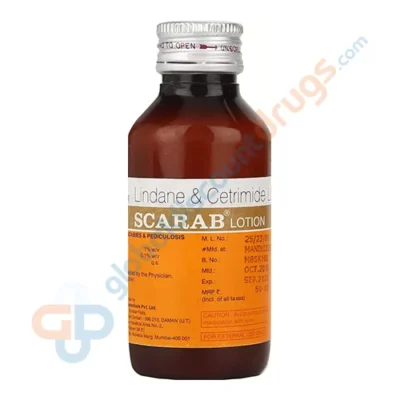
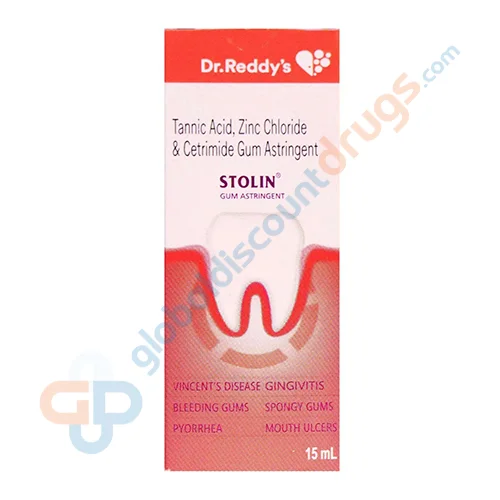
Cetrimide-tannic acid-zinc chloride is a topical combination product that pairs an antiseptic agent (cetrimide) with an astringent/protein-binding agent (tannic acid) and an additional astringent and mild antiseptic component (zinc chloride). It belongs to the general category of topical antiseptic and wound-care preparations.
This combination is commonly used for the topical management of minor burns, scalds, and certain minor wounds, where it may help cleanse the affected area, reduce the risk of surface infection, and support the skin’s healing environment. Specific approved uses and indications can vary by product, manufacturer, and country.
Available formulations:
- Topical cream or ointment
- Topical spray or solution (depending on the specific product)
Availability of specific formulations and concentrations varies by manufacturer and region. This product is intended for external use on the skin only and is not available as an oral or injectable product.
What Is the Recommended Dosage of Cetrimide-Tannic Acid-Zinc Chloride?
Usage and frequency of application vary depending on several factors, including:
- The size, location, and severity of the affected skin area
- The specific formulation used (cream, ointment, or spray)
- Age of the patient
- Whether the area is a minor superficial injury or requires more advanced wound care
- Response to treatment and any signs of irritation
Available dosage forms: topical cream, ointment, or spray, applied to the affected skin area.
Because appropriate use depends on the nature and severity of the skin injury, patients should follow the specific product instructions and seek guidance from a licensed medical specialist, particularly for burns or wounds that are more than minor or superficial. This page intentionally does not provide specific application amounts or frequency, as this depends on the individual product and clinical situation.
How Cetrimide-Tannic Acid-Zinc Chloride Works
This combination product works through the complementary actions of its ingredients:
- Cetrimide, a quaternary ammonium antiseptic, helps reduce the number of microorganisms on the skin surface, which may lower the risk of infection in minor wounds or burns.
- Tannic acid has astringent and protein-binding properties, which may help form a protective layer over the affected area and support the skin’s healing response.
- Zinc chloride provides additional mild astringent and antiseptic action, which may further support surface cleansing and skin protection.
Together, these ingredients are intended to support the local skin environment following minor burns or wounds. This product treats and supports the surface of the skin; it does not address underlying tissue damage in more serious injuries and is not a substitute for appropriate medical wound care when needed.
Is a Prescription Required to Buy Cetrimide-Tannic Acid-Zinc Chloride Online?
This varies by product, region, and formulation. In many regions, topical antiseptic combination products of this type are available without a prescription for minor, superficial use. However, for burns or wounds that are extensive, deep, infected, or slow to heal, evaluation and guidance from a licensed medical provider is recommended before use.
Patients should consult a physician or, for significant burns or skin injuries, a dermatologist or wound care specialist, particularly if the injury is more than minor or superficial.
Patients should keep the following in mind:
- Avoid purchasing from unlicensed or unverified online sellers
- Be cautious of products lacking clear labeling of ingredients, concentrations, and intended use
- Counterfeit or mislabeled topical products may contain incorrect concentrations or contaminants, which can affect safety and effectiveness
- When a prescription is required for a specific formulation or strength, always obtain the product from a licensed pharmacy
Side Effects of Cetrimide-Tannic Acid-Zinc Chloride
Common Side Effects
Topical use of this product may cause mild, localized effects, including:
- Mild stinging or burning sensation upon application
- Temporary skin discoloration or staining at the application site (particularly associated with tannic acid)
- Dryness or mild irritation of the treated area
- Itching
Serious Side Effects
Although uncommon, more serious effects can occur. Patients should seek medical attention if they experience:
- Signs of an allergic reaction, such as rash, hives, significant swelling, or difficulty breathing
- Signs of worsening infection at the wound or burn site, such as increased redness, warmth, swelling, pus, or fever
- Signs of significant skin irritation, blistering, or chemical sensitivity beyond the expected mild application-site effects
- Delayed or poor wound healing, which may indicate the need for more advanced medical evaluation
This is not a complete list. Patients should discontinue use and seek medical attention if they experience any concerning or worsening symptoms, or if a burn or wound does not appear to be healing as expected.
Drug Interactions
Because this product is applied topically and is generally intended for surface use with limited systemic absorption, interactions with other medications are uncommon. However, certain factors should still be considered:
- Other topical antiseptics or wound care products, which may affect tolerability or interact with the ingredients in this combination if applied to the same area
- Other astringent or drying topical agents, which could increase the risk of skin irritation if used together
- Topical corticosteroids or other wound treatments, which should generally not be combined without guidance from a healthcare provider
Patients should inform their healthcare provider about other topical products or wound care treatments being used on the same area.
Safety & Important Considerations
- Liver or kidney disease: Systemic absorption of this topical combination is generally minimal with typical use on limited skin areas; however, patients with significant organ impairment or those using the product over large areas of broken skin should consult their provider.
- Pregnancy and breastfeeding: Topical use on limited areas is generally considered to have minimal systemic absorption; however, patients who are pregnant or breastfeeding should discuss use with their healthcare provider, particularly for extensive application.
- Children: Use in children should follow product-specific guidance, and parents or caregivers should consult a healthcare provider for burns or wounds in young children, as pediatric skin may be more sensitive and injuries may require closer medical evaluation.
- Extent and depth of injury: This type of product is generally intended for minor, superficial burns or wounds. Deep burns, large surface area burns, wounds showing signs of infection, or injuries that are not improving should be evaluated promptly by a medical provider.
- Avoid contact with eyes and mucous membranes, as irritation may occur; rinse promptly with water if accidental contact occurs.
- Monitoring: Patients should monitor the treated area for signs of improvement or, alternatively, worsening irritation or infection, and seek medical advice if healing does not progress as expected.
This product should be used only for minor, superficial skin conditions as directed, with prompt medical evaluation sought for more significant injuries.
Who This Medication Is For
This combination product is generally intended for individuals with minor burns, scalds, or minor superficial wounds who require topical antiseptic and supportive skin care. It is typically used for limited, surface-level injuries rather than extensive or deep wounds, based on an assessment of the injury by the patient, caregiver, or healthcare provider.
Who Should Not Use Cetrimide-Tannic Acid-Zinc Chloride
This product may not be appropriate for individuals who:
- Have a known hypersensitivity or allergy to cetrimide, tannic acid, zinc chloride, or other components of the formulation
- Have deep, extensive, or severe burns that require professional medical treatment rather than home care
- Have wounds showing signs of significant infection, such as spreading redness, pus, or fever, without first consulting a healthcare provider
- Have very young children with burns or wounds, without first seeking medical guidance
This list is not exhaustive. Patients with uncertainty about the severity of an injury should consult a healthcare provider before use.
What to Do If You Miss a Dose
If a scheduled application is missed, patients or caregivers should generally apply the product as soon as they remember, unless it is close to the time of the next planned application, in which case the missed application should typically be skipped.
Do not apply extra product or double up on an application to make up for a missed one.
If there is uncertainty about how to proceed, or if the wound or burn appears to be worsening, patients should contact a healthcare provider for guidance.
Related medications to Cetrimide-Tannic Acid-Zinc Chloride
The correct internal links for this combination depend on its dosage form and intended site of use. If it is a topical skin preparation, Chlorhexidine Gluconate may be contextually relevant. Confirm the formulation before placing it within the dermatology cluster.
Storage Instructions
- Store at room temperature, generally between 68°F and 77°F (20°C to 25°C), unless otherwise directed on the label
- Keep the container tightly closed to prevent contamination
- Protect from excessive heat and direct light
- Keep out of reach of children and pets, ideally in a secured location
- Do not use past the expiration date; dispose of unused or expired product according to local guidelines
Disclaimer:
This page is for educational purposes only. It is not a substitute for professional medical advice, diagnosis, or treatment. Patients and caregivers must consult a licensed physician or, for significant burns or wounds, a dermatologist or wound care specialist before starting, changing, or stopping use of this product. Treatment decisions must be based on a full clinical evaluation by a qualified specialist, taking into account the nature of the injury, individual health history, and current medications.
Prescription Required (Rx) to Buy?
This medication is not available over the counter. A valid prescription from a licensed healthcare
professional is required. Always consult your doctor before use.