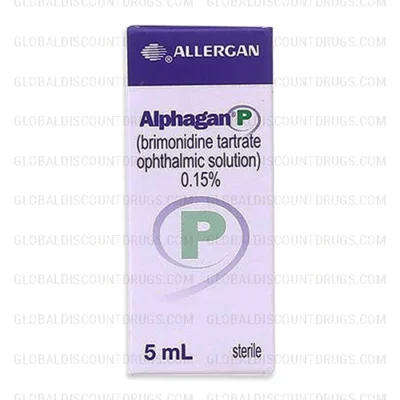

Brimonidine-Timolol
In StockBrimonidine-Timolol eye drops help reduce elevated intraocular pressure in glaucoma patients. Brimonidine decreases fluid production, and Timolol improves fluid drainage from the eye. Together, they lower pressure effectively and help prevent optic nerve damage. Regular use maintains eye health and vision stability. Apply as prescribed by your eye specialist for best results.

What Is Brimonidine-Timolol?
Brimonidine-timolol is a prescription eye drop that combines two medicines in one bottle:
- Brimonidine tartrate, an alpha-2 adrenergic agonist
- Timolol maleate, a beta-adrenergic blocker (beta-blocker)
It is used only in the eye. It is not taken by mouth or injected.
Approved use
- Lowering eye pressure (intraocular pressure) in adults with open-angle glaucoma or ocular hypertension who need more than one medicine to reach their target pressure.
Available formulations and strengths
- Ophthalmic (eye drop) solution: brimonidine 0.2% / timolol 0.5%, a fixed-dose combination
- Available as brand-name and generic products. Availability and labeling vary by country.
This is different from other combination eye drops, such as brimonidine with brinzolamide, which contain a different second ingredient. Each strength has its own detailed page.
What Is the Recommended Dosage of Brimonidine-Timolol?
Dosing depends on several factors:
- Condition: The product is used for glaucoma or high eye pressure, as directed by an eye specialist.
- Age: It is not recommended for infants and young children. Use in children should only be directed by a pediatric eye specialist.
- Body weight: Weight is generally not used to set the dose of eye drops.
- Organ function: People with kidney or liver problems may need closer monitoring, because both ingredients are processed by the body.
- Other medicines: Some medicines can raise the amount of timolol absorbed in the body.
Dosage form: Eye drop solution in a multi-dose bottle.
The prescriber decides how many drops to use, in which eye or eyes, and how often. Always follow the prescription and the label. Using extra drops does not improve results and may increase side effects. Do not change your schedule without speaking with your specialist.
How Brimonidine-Timolol Works
Each ingredient lowers eye pressure in a different way:
- Brimonidine reduces the amount of fluid the eye produces and helps fluid drain out through a secondary pathway.
- Timolol reduces the amount of fluid the eye produces.
Using two medicines with different actions can lower eye pressure more than one alone for some people. Lower eye pressure helps protect the optic nerve from damage.
Brimonidine-timolol manages glaucoma but does not cure it. Glaucoma is a long-term condition. Eye pressure may rise again if treatment is stopped, and lost vision cannot be restored.
Is a Prescription Required to Buy Brimonidine-Timolol Online?
Yes. Brimonidine-timolol is prescription-only. A licensed ophthalmologist (or another licensed eye care professional) must evaluate you and diagnose your condition first.
Safety when buying online
- Buy only from licensed, verified pharmacies that require a valid prescription.
- Avoid websites that sell prescription eye medicines without a prescription.
- Counterfeit, expired, or improperly stored eye drops can cause eye infection or vision harm. Do not use veterinary products.
- Check the packaging, label, and seal when it arrives. Ask a pharmacist if anything looks unusual.
Side Effects of Brimonidine-Timolol
Common Side Effects
- Eye redness, itching, burning, or stinging
- Allergic reaction in the eye (red, swollen, itchy, or watery eyes)
- Feeling that something is in the eye
- Blurred vision
- Dry mouth
- Tiredness or drowsiness
- Headache
- Eye dryness or irritation
Serious Side Effects
These are uncommon but need prompt attention.
- Signs of a severe allergic reaction: swelling of the face, lips, tongue, or throat; hives; trouble breathing
- Breathing problems, such as wheezing, shortness of breath, or worsening asthma or COPD symptoms (timolol can be absorbed into the body)
- Very slow or irregular heartbeat, fainting, severe dizziness, or very low blood pressure
- Signs of heart failure: swelling of the ankles, sudden weight gain, or new shortness of breath
- Eye pain, sudden vision changes, or signs of eye infection
- Muscle weakness that is new or worsening
Seek emergency medical care for trouble breathing, swelling of the face or throat, fainting, or chest pain. Contact your specialist promptly if side effects are bothersome or do not go away.
Drug Interactions
Brimonidine-timolol may interact with:
- Blood pressure medicines, including other beta-blockers and calcium channel blockers, which may cause very low blood pressure or a slow heart rate
- Heart rhythm medicines, such as digoxin, amiodarone, and quinidine
- CYP2D6-inhibiting medicines, such as certain antidepressants (for example, fluoxetine and paroxetine) and quinidine, which can increase the amount of timolol in the body
- Central nervous system depressants: sedatives, sleep aids, anti-anxiety medicines, opioids, and alcohol, which may increase drowsiness
- MAO inhibitors and tricyclic antidepressants, which may change how the body responds to brimonidine
- Oral beta-blockers, which may add to the effects of timolol
- Diabetes medicines, including insulin: timolol may hide some warning signs of low blood sugar
- Other eye drops: wait at least 5 to 10 minutes between different eye medicines
OTC medicines, supplements, and herbal products, including cold and allergy remedies, sleep aids, and sedating herbs, may also interact. Give your licensed specialist and pharmacist a full list of everything you take, including eye drops, creams, vitamins, and supplements.
Safety & Important Considerations
- Asthma and lung disease: Timolol can cause serious breathing problems in people with asthma or COPD. Tell your specialist about any history of breathing problems.
- Heart conditions: Use caution with heart failure, slow heart rate, heart block, low blood pressure, or circulation problems such as Raynaud’s phenomenon.
- Diabetes: Timolol may hide symptoms of low blood sugar, such as a fast heartbeat.
- Thyroid disease: Timolol may hide signs of an overactive thyroid.
- Muscle weakness conditions: Tell your specialist if you have myasthenia gravis or similar conditions.
- Liver or kidney disease: Tell your specialist, as monitoring may be needed.
- Pregnancy and breastfeeding: Human data are limited. Both ingredients may pass into breast milk. Discuss risks and benefits with your specialist before use.
- Children: Not recommended for infants and children under 2 years because of risks such as slowed breathing, low blood pressure, low body temperature, and extreme sleepiness. Safety in older children has not been fully established.
- Older adults: May be more sensitive to dizziness, low blood pressure, and slow heart rate.
- Contact lenses: The preservative in many eye drops can be absorbed by soft contact lenses. Remove lenses before use and wait at least 15 minutes before reinserting them, unless your label says otherwise.
- Driving and machinery: The medicine may cause drowsiness or blurred vision. Avoid these activities until you know how it affects you.
- Surgery: Tell your surgeon or anesthesiologist that you use a beta-blocker eye drop.
- Monitoring: Glaucoma treatment requires regular eye pressure checks and eye exams. Your specialist may also check your heart rate and blood pressure.
- Hygiene: Do not touch the dropper tip to your eye or any surface. This lowers the risk of contamination.
Who This Medication Is For
- Adults diagnosed with open-angle glaucoma or ocular hypertension by an eye specialist
- People whose eye pressure is not controlled enough with a single medicine, as determined by their specialist
Who Should Not Take Brimonidine-Timolol
- Anyone allergic to brimonidine, timolol, or any ingredient in the product
- People with asthma, a history of asthma, or severe COPD
- People with a very slow heart rate, certain types of heart block, heart failure that is overt or uncontrolled, or cardiogenic shock
- Neonates, infants, and children under 2 years
- People taking MAO inhibitor medicines, unless a specialist advises otherwise
Tell your specialist about all medical conditions before starting treatment.
What to Do If You Miss a Dose
- Use the missed dose as soon as you remember.
- If it is almost time for the next dose, skip the missed one and return to your usual schedule.
- Do not double the dose to make up for a missed one.
- If you are unsure what to do, contact your licensed specialist or pharmacist.
Related medications to Brimonidine-Timolol
Only a licensed specialist can decide whether a different treatment suits you.
- Prostaglandin analogs (for example, latanoprost)
- Other beta-blockers (for example, timolol alone)
- Alpha-2 agonists (for example, brimonidine alone)
- Carbonic anhydrase inhibitors (for example, dorzolamide)
- Other combination eye drops, such as dorzolamide-timolol or brimonidine-brinzolamide
- Rho kinase inhibitors
- Laser therapy or surgery in some cases
Do not stop or switch treatments on your own. Changes should be made only after consultation with your specialist.
Storage Instructions
- Store at room temperature, typically 59°F to 77°F (15°C to 25°C), unless your label says otherwise.
- Keep the bottle tightly closed and protect it from moisture, heat, and direct light.
- Do not freeze.
- Keep out of reach and sight of children. Accidental swallowing of eye drops can be dangerous for young children. Seek emergency help if this happens.
- Do not use past the expiration date. Many eye drop bottles should be discarded within a set time after opening (often about 4 weeks). Follow your label and pharmacist’s guidance.
Disclaimer:
This page is for educational purposes only. It is not a substitute for professional medical advice, diagnosis, or treatment. Patients must consult a licensed ophthalmologist or another relevant medical specialist before starting, changing, or stopping treatment. Treatment decisions must be based on a full clinical evaluation by a qualified specialist.
Prescription Required (Rx) to Buy?
This medication is not available over the counter. A valid prescription from a licensed healthcare
professional is required. Always consult your doctor before use.